Latest News and Info

Back-to-school guide for parents of children with allergies

Back-to-school guide for parents of children with allergies

As children head back to school, parents of children with allergies face unique challenges to ensure their safety and well-being throughout the term. Whether it’s food, environmental, or other allergens, careful planning can help minimise risks. Here’s a comprehensive guide for parents in England to navigate the school year successfully.

Communicate with the school

  • Inform teachers and staff: Ensure all staff, including teachers, lunchtime supervisors, and school nurses, are fully informed about your child’s allergies. Share detailed information about symptoms, triggers, and emergency procedures.
  • Emergency action plan: Provide the school with a written action plan detailing what to do if your child has an allergic reaction. This should include the types of medication they may need, such as antihistamines or an EpiPen, and instructions on administering it.
  • Team up with key staff: Arrange a meeting with the headteacher, school nurse, and teachers to discuss your child’s needs. Review the school’s allergy policy to make sure it aligns with your expectations.

Safe snacks and meals

  • School lunches: If your child eats school-provided meals, ensure the catering team is aware of their allergies and can provide safe, allergen-free options. If needed, review the menu to confirm there are alternatives.
  • Packed lunches: For children bringing their own food, pack safe, allergy-free meals. Consider labels that indicate any allergens, or use bright, easy-to-spot containers for clarity.
  • Snack guidelines: Confirm if the school has guidelines for classroom snacks or shared treats, especially during celebrations or holidays. You may need to provide a stash of safe treats your child can have when others bring in snacks.

Medical supplies and accessibility

  • Keep medication at school: Make sure that your child’s medication, such as antihistamines or an EpiPen, is up-to-date and stored safely at school. Ensure staff know where these are kept and that they are easily accessible in an emergency.
  • Medic alert: Consider a medical alert bracelet for your child that clearly lists their allergies. This is particularly helpful if they are older and have more independence around school.

Educating your child

  • Allergy awareness: Teach your child about their allergies, including what they can and can’t eat, how to recognise a reaction, and what to do in an emergency. Encourage them to always ask if they’re unsure whether a food is safe.
  • Role-play scenarios: Practice scenarios in which they may have to politely decline food or seek help if they feel unwell. This builds their confidence in managing their allergies when you’re not there.

Allergy-friendly classroom environment

  • Allergen management: Ensure that the classroom is a safe environment. Discuss with teachers whether there are potential allergens in art supplies, science experiments, or even classroom pets. Some schools may opt for an allergen-free classroom policy.
  • Classroom supplies: To reduce the risk of cross-contamination, consider providing your child’s classroom with allergen-free materials, such as safe hand wipes.

Sports activities

  • PE and sports day: Ensure that PE teachers and sports staff are aware of your child’s allergies, particularly if they involve environmental factors like pollen or insect stings. Make sure they have access to your child’s medication during outdoor activities.
  • Field trips and outings: Discuss the details of any trips or outings with teachers beforehand. Confirm that appropriate precautions are in place and that the staff in charge know how to manage your child’s allergies away from school.

Reinforcing school allergy policies

  • Nut-Free policies: Many schools in the UK have a nut-free policy to protect students with severe allergies. Understand the school’s policy, and help reinforce it by communicating with other parents.
  • Classmate education: Encourage the school to raise awareness among classmates. This could be through a lesson or assembly on allergies to foster a supportive and inclusive environment for children with allergies.

Monitoring mental and emotional health

  • Anxiety and social pressure: Allergies can sometimes cause children to feel anxious or different from their peers. Talk to your child about how they feel and help them manage any anxiety around school.
  • Inclusion: Work with teachers to ensure that your child is included in all school activities, from sports to birthday parties, while managing their allergies. This can help prevent feelings of isolation or exclusion.

Ongoing communication

  • Regular check-ins: Stay in regular communication with the school throughout the term. Keep staff updated on any changes in your child’s allergies or treatment plans. Likewise, ask for feedback on how things are going at school and address any issues as they arise.
  • Updating Records: Ensure the school has updated records at all times, including emergency contact details and any medical advice or changes from healthcare providers.

Be prepared for emergencies

  • Emergency drills: Ask the school if they run drills or scenarios for allergic reactions. This will give you confidence that the staff are well-prepared to handle an emergency situation.
  • Personal emergency kit: Consider giving your child a small emergency kit that they can keep with them. The kit should contain items like safe snacks, EpiPens, hand wipes, and a copy of their allergy action plan.

By taking these steps, parents of children with allergies can help ensure that their child with allergies has a safe, supportive, and inclusive school experience throughout the term. Regular communication and preparation are key to managing the challenges that come with allergies and helping your child feel confident and secure at school.

Allergies can be a challenge to your child’s life, but with the right diagnosis and management plan, they can be kept under control. Our experts specialise in identifying and treating pediatric allergies. If you suspect allergies, we can help you understand exactly what triggers your child’s symptoms and how to tackle them effectively. Why not register as a new patient or take one of our home allergy tests? Together, we can tailor a school management plan that suits your child and lets them enjoy school to the fullest.

6 unknown allergy triggers at school for first-time parents

Back to school

6 unknown allergy triggers at school for first-time parents

Sending your little one to school for the first time is a smorgasbord of emotion, filled with excitement, worry, and a slither of thought for future peace and quiet, mixed with dread and anticipation. As a parent, you want to ensure their well-being in every way possible, especially if your child has suspected allergies. The school environment can introduce a range of allergens that might affect your child’s health and comfort. 

Let’s explore the types of allergies your child might encounter at school, empowering you to take proactive steps for their safety. Here are the allergy suspects that might already have a cameo appearance at home:

Exercise-induced allergies

Yep, it’s possible to be allergic to your own sweat. If your little ones are more into creative adventures than outdoor acrobatics, you might’ve missed those sneaky hives on their arms and neck after a bout of exercise. But school means playtime galore, and all that running around and PE could introduce exercise-induced urticaria – an allergy to sweat. 

Food allergies

Schools are a melting pot of food allergies, ranging from the usual suspects like nuts and dairy to more unexpected guests like eggs and wheat. If your kitchen is allergy-proofed and free from certain foods, your little one might have a surprise encounter with a new treat that uncovers a hidden food allergy.

Insect sting and pollen allergies 

Depending on where you live vs. your child’s school, you might be coming from a lower-risk area to a higher one. If you live more in the city and your child’s school is surrounded by fields and woodlands, there might be an increased risk of pollen and creatures they didn’t have before. This can trigger hay fever symptoms like sneezing, runny nose, and itchy eyes. If you’re worried about a reaction, keep an eye on pollen forecasts, especially on high-pollen days. 

Mould allergies

This one is crucial as it’s also common in autumn—perfect timing for the new school year. Mould spores thrive in damp, decaying spaces, such as that big pile of wet leaves, which looks like a magical place to play for our children. It doesn’t necessarily mean that they shouldn’t, but it’s a good idea to explore if they have the potential to be causing issues before they do. 

Pet allergies

When you have a pet allergy, it’s not necessarily touching the animal that causes the issue. It’s their saliva and fur (or dander), which can be easily passed across classrooms or encountered on sleepovers and playdates. If you have a pet-free family and your child hasn’t had many encounters with animals and then starts showing signs of sneezing, wheezing, and skin rashes, it could be from a contact allergy made in the school. 

Allergies triggered by classroom materials

School supplies might look familiar, but some might have a twist. Markers, glues, and paints in the classroom could sneak in allergens. Even latex in gloves and balloons could stir up a reaction. A first-time encounter with these materials might leave you puzzled over the cause of your child’s response.

How can you prepare yourself and your child?

The common thread is that school throws your child into a new environment filled with its own set of allergens. Different cleaning potions, artsy materials, and outdoor spaces can trigger allergies you’re unaware of.

Understanding the potential allergens your child might encounter at school is the first step towards safeguarding their health and comfort. But it doesn’t have to be a scary ordeal. If you suspect your child has allergies or are unsure, preemptively testing can help you pinpoint specific triggers. 

From here, you can work with the school to take appropriate precautions, ensuring your child’s safe and enjoyable school experience.

As your child dives into the world of education, empower yourself with knowledge. If you suspect allergies, take the proactive step of getting your child tested. Our experts are here to guide you through the process. Get in touch to discuss how to ensure your child’s well-being is prioritised at school and beyond. Call us on 02031 433 449 or register as a new patient today.

Back-to-school allergy checklist for parents: Navigating allergies with confidence
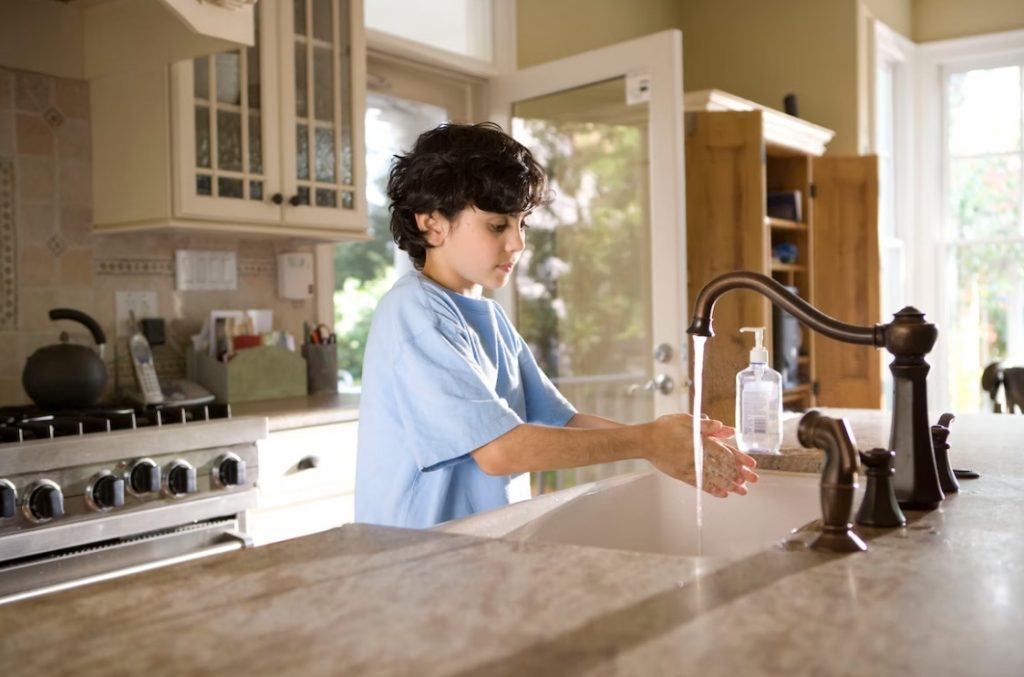
Back-to-school allergy checklist for parents: Navigating allergies with confidence

As we find ourselves starting the new school year, the worries that come with sending your little one off to school might be creeping in. It never gets easier, does it? 

This is especially true if your child has allergies, as their environment is beyond your control, and thinking about their safety can be anxiety-inducing. 

Regardless of whether you’re concerned about food allergies, insect stings and bites, medication allergies, exercise-induced allergies or more complicated challenges such as cold urticaria, our checklist for navigating allergies with confidence stays the same. Follow these simple steps to maintain peace of mind over your child’s allergies this 2023/24 school year.

Open communication: The key to safety

Communication is the key to most situations. Your child’s allergies are no different. Communicate with the school, the teachers, friends, parents, and your child. 

Even if your child has been attending the school for some time, it’s wise to check in every September. Under the Children and Families Act 2014, schools must accommodate arrangements for students with medical conditions, including allergies. Reach out to discuss your concerns and familiarise yourself with the school’s allergy policy. This conversation might involve school nurses and catering staff, particularly if your child has a food allergy.

When they start going for sleepovers or play dates, there’s no shame in speaking with the parents to ensure they’re comfortable with what to do in an emergency. It can be a fast, simple chat for long-term peace of mind. 

Empowering your child: Knowledge is safety.

Depending on how young they are, your little one might already possess some knowledge about managing their allergies. Teach them through positive language why it’s essential to do what’s right for them and not just because everyone else is doing something different.  

You also improve your chances of keeping them safe by teaching them and empowering them with their own safety. 

For younger children, ensure they know which foods or substances trigger their allergies and are aware of avoiding them. Older children, while more conscious of their allergies, could benefit from collaborating with you to create a personalised plan. Teenagers are rebels. We were the same at that age; no teenager likes to be told what to do. They prefer to understand something and then do it ourselves. By giving them autonomy and involving them in managing their condition, you’ll help them foster a sense of control.

Food allergies: A delicate balance

The easiest way to overcome food challenges is to make a packed lunch. But that doesn’t stop children from sharing food. If your child doesn’t realise the severity of eating something, if only a little, or doesn’t know how to decline food politely, it can create issues further down the line. 

Make sure to speak to the school’s catering staff. They are obligated to make reasonable adjustments for students with allergies. But not only that, who hasn’t met a kind and bubbly head dinner person? They’ll want to know what’s happening in their school so they can cater accordingly. 

Food technology class (home economics when we were in school) is something to consider for older students, too. Make sure to speak with the food tech teacher ahead of time so they can either plan the syllabus accordingly or you can research food alternatives to navigate your child’s allergies. 

EpiPens

If your child already has an EpiPen, be aware of your school’s store and access policy. They should have an individualised allergy plan for each affected child. Determine where the EpiPens are located and whether they can be accessed within a 5-minute window – as this is a crucial time frame. 

If your child is in secondary school, they’re more likely to carry their EpiPens themselves. 

It’s unfair to rely on their peers, but the teachers might need to be clued up on how to use them, especially if they are new to teaching. Make sure to inquire about staff training in administering EpiPens during emergencies. Getting tested for allergies is a proactive way to learn wether or not your child needs an EpiPen.

Preparation is critical to peace of mind.

While these steps won’t eradicate anxiety, they will empower you and your child to navigate the school year confidently. Proactive communication, equipping your child with knowledge, understanding EpiPens, and controlling food exposure are all practical measures to ensure their safety. 

Remember, you’re not alone in this journey. If you require further advice or strategies for managing your child’s allergies, our experts are here to help. To first get them tested, register as a new patient here or calling us at 02031 433 449. Together, we’ll strive for your child’s safe and fulfilling school experience.

Back to school with food allergies: how can you prepare?

Back to school

Back to school with food allergies: how can you prepare?

It’s a scary time in any parent’s life: when your child goes off to school. Whether they’re just starting primary or are moving up to secondary school, you can’t help but feel this anxiety. Will they be okay? Will they do well? And will they make friends? All completely understandable concerns.

But if your child has an allergy, that’s a whole new level of stress. Not only are you worrying about the above, but now you have to face the prospect of letting your child head into an environment you can’t control. It’s something you can’t avoid. There is a silver lining, though. You can be proactive. Here’s our advice for managing your child’s allergies as they head back to school.

Talk to the school ahead of time

Your best first move is to let the school know that your child has an allergy. Yes, even if they’ve been going there for a few years already, it’s still best to check in every September. The school will have a duty of care to look after your child. The Children and Families Act 2014 makes it a legal requirement for them to make arrangements for pupils with medical conditions – and that includes allergies.

Talking to them allows you to get on the same page. What are your concerns? How do they address them? Ask about their allergy policy and what their response is to an allergic reaction. This conversation may also involve school nurses and catering staff, especially if your child has a food allergy.

Talk to your child

Depending on their age, there’s a good chance your child already knows how to handle their allergy – at least partly. They’re going to have to be responsible for themselves, so the more you can equip them with knowledge, the better.

For younger kids, it’s about making sure they know which foods (or other allergens) make them sick and to avoid them. No trading snacks or accepting food they don’t know. It’s also important you explain why – you don’t have to go into all the worst details, but they should know that “X food = sick”.

Older kids are more likely to be aware of their allergies, but they’re also at that age where identity is important to them. What teenagers want is to feel in control of their lives, especially when they have an allergy that holds them back. So work with them to come up with a plan. Give them some control in how they manage their condition.

What happens to their adrenaline auto-injector (AAI)?

Each school will have its own policy in how it handles any AAI. In fact, they should have a tailored allergy plan for each child with the condition. And that will involve the question of what to do with AAIs.

There are two concerns for you here: location and staff training. Where are the AAIs stored? And how long will it take for them to reach your child in an emergency? Anything longer than 5 minutes is a no go, so make sure it’s closer than that. Older kids may be allowed to carry their own on their person. 

In regards to staff training, you’ll want to know who is capable of administering the AAI in case of an attack. If the school doesn’t have someone, make sure they work on getting a teacher or member of staff qualified before term starts.

Controlling food

It’s hard to talk about allergies without specifically mentioning food allergies. They’re common and can lead to some of the most fatal reactions. This is why you want to talk to the catering staff at the school. They should be required to make reasonable adjustments for certain pupils, so ask what their policy on food allergens is. How do they mitigate risk?

If their answers don’t fill you with confidence, consider packed lunches. It’s much easier to control. Talk to the school about potentially setting up a lunch buddy system so your child can eat at a table with students that have allergy-safe food.

Will this remove your anxiety? Likely not – nothing ever will. But will it at least make you feel more prepared? Absolutely. These are proactive steps you can take to make sure your child is as safe as can be. It’s a difficult time, but one you can get through together.

If you need more advice and strategies for managing your child’s allergies, get in touch with our experts today. You can register as a new patient or simply call us on 02031 433 449.

How to talk to your child about their allergies

child allergies

How to talk to your child about their allergies

We spend a lot of time in our blog talking about how you, as a parent, can navigate the challenges of your child’s allergies. Whether it’s answering your burning questions, talking about allergies in infants, or just general food allergy tips, we have you covered. But we never cover how to talk to your child about their allergies.

And it’s important to do. You can’t be around them 24/7 and they deserve to know how to manage their condition. So let’s bring them into the conversation. We’ve got some advice for how you can talk to your child about their allergies.

Start simple (and young)

You don’t want to throw everything at them at once. They could potentially be dealing with something deadly, and that’s a lot to put on their shoulders. So you want to start simple when they’re younger and introduce terms and elements that will become more apparent in the future.

For example, you might want to start by talking about their symptoms in a way they can understand. Maybe certain food makes their tummy hurt, or they get itchy eyes in summer. Identify their biggest gripes and explain why they happen. Keep language simple by saying something like “some foods aren’t safe for you” or that “flowers can sometimes make people sneeze”.

What you’re doing is drawing a link between how they feel and the world around them. And you want to clarify that these things aren’t nice (for them) and that we have to be careful around them. “We” is also important here. It lets them know this is a journey for the both of you.

Get them involved

As they start to get older and are heading out into the world on their own more, you want them to be fully aware of their allergies. This is a great time to get them involved. If they’re allergic to peanuts, it’s all well and good telling them that. But they need to know how those will present themselves in their lives.

So involve them in everything you do to keep them safe. Take them shopping and point out foods they can and can’t have. Tell them why they shouldn’t have them. But don’t make it sound scary. Treat it as an educational experience that empowers them to live free of danger.

Another great idea if they have a food allergy is to involve them in cooking. This is another way to make their allergies seem less scary – they get to see how simple it can be to stay safe. If not food, then at least show them any medication they might come across. It’s better if they’re prepared for a future EpiPen use.

Teach them how to talk about their allergy

Another aspect of them heading out on their own is that they will have to learn to rely on others when they need the help. Sure, you can tell their teachers or childminders about their condition. But the child themselves will need to know who to go to and how to express their needs.

It’s another aspect of helping them navigate the world. They need to know how to say no to certain foods, telling others about the impact of their allergy, and who’s in charge should an emergency happen. If you empower them to take charge of their allergy like this, you can be more confident in their safety. You can put at least a little trust in them!

None of this is easy to grapple with as a parent. And we completely understand that feeling of sheer trepidation at having to let them take care of themselves. But we have to let them do it. By preparing them and teaching them to own their allergies, you can give them the greatest chance of living happy and free. Like a child should be.

Going it alone is tough. So if you ever need advice – or even just someone to talk to – get in touch with us today. Our allergy specialists have worked with parents just like you to create a better life for your child. Call us on 02031 433 449 or register your child as a patient here.

Sending your child with food allergies to school

Sending your child with food allergies to school

Being a parent of a child with food allergies can be daunting. When it comes to sending them to school, where their nutrition is out of your control, can be even worse. Common food allergies that children have, according to the NHS include:

  • Milk
  • Eggs
  • Peanuts
  • Tree nuts
  • Fish
  • Shellfish

Although many other foods have been known to trigger an anaphylactic shock.

How to cope

There are ways which allow you and your child to have some reassurance while they attend school. By taking the necessary precautions you can create a safe environment for your child.

It’s important to make sure the school faculty are aware of your child’s allergies. This includes; nurses, canteen staff, teachers, and the headteacher. This allows you to be aware of the school’s system when taking care of an allergic reaction. In turn, you can have peace of mind while your child is away at school. Having good communication between staff and parents is beneficial in so many ways.

Making pre-packed food for your child is a great start. Mistakes can happen, and while kitchens adhere to strict standards, by managing what your child eats, you at least know that you’ve minimised the risk of ingestion. If your child is younger, by giving specialist snacks to your child’s teacher, you enable them to feel more integrated into the classroom.

Being prepared

Medication will need to be given to the acting school nurse. This supply of emergency medication should include an EpiPen. A legislation came into effect in October 2017 which allows schools in the UK to have spare adrenaline auto-injectors (AAIs). The AAIs give a dose of adrenaline in the event of a severe allergic reaction, which could be life-saving. It’s especially important to inform the school if your child is at risk of an anaphylactic shock. Making sure you give permission to the staff to administer medicine is also vital. If staff are made aware they can be trained to spot when a child may be having an anaphylactic shock.

Some common symptoms of a food allergy include:

  • An itchy sensation inside the mouth, throat or ears
  • A raised, itchy, red rash
  • Swelling of the face, around the eyes, lips, tongue, and roof of the mouth
  • Vomiting

Posters around the school are another way to inform pupils as well as the staff information about allergies. Does your child’s school have these in place? If not, why not bring it up with the headteacher? Having posters around can also be a reminder for your child on the dangers. After all, your child’s safety is of paramount importance. Following these steps helps you both. Peace of mind for you, and a relaxed, stress-free environment for your child.

Do you think your child might be suffering from allergies but have never had them diagnosed? Let us help you. London Allergy and Immunology Centre will provide you with the best treatments available, so your allergies don’t get in the way of your life. Book an appointment with us today by calling 02031 433 449 or visit our website.

Copyright 2026. All Rights Reserved

LAIC Main Menu