
How climate change could make your summer allergies worse
Posted: 24th June 2018 | Posted by Costa
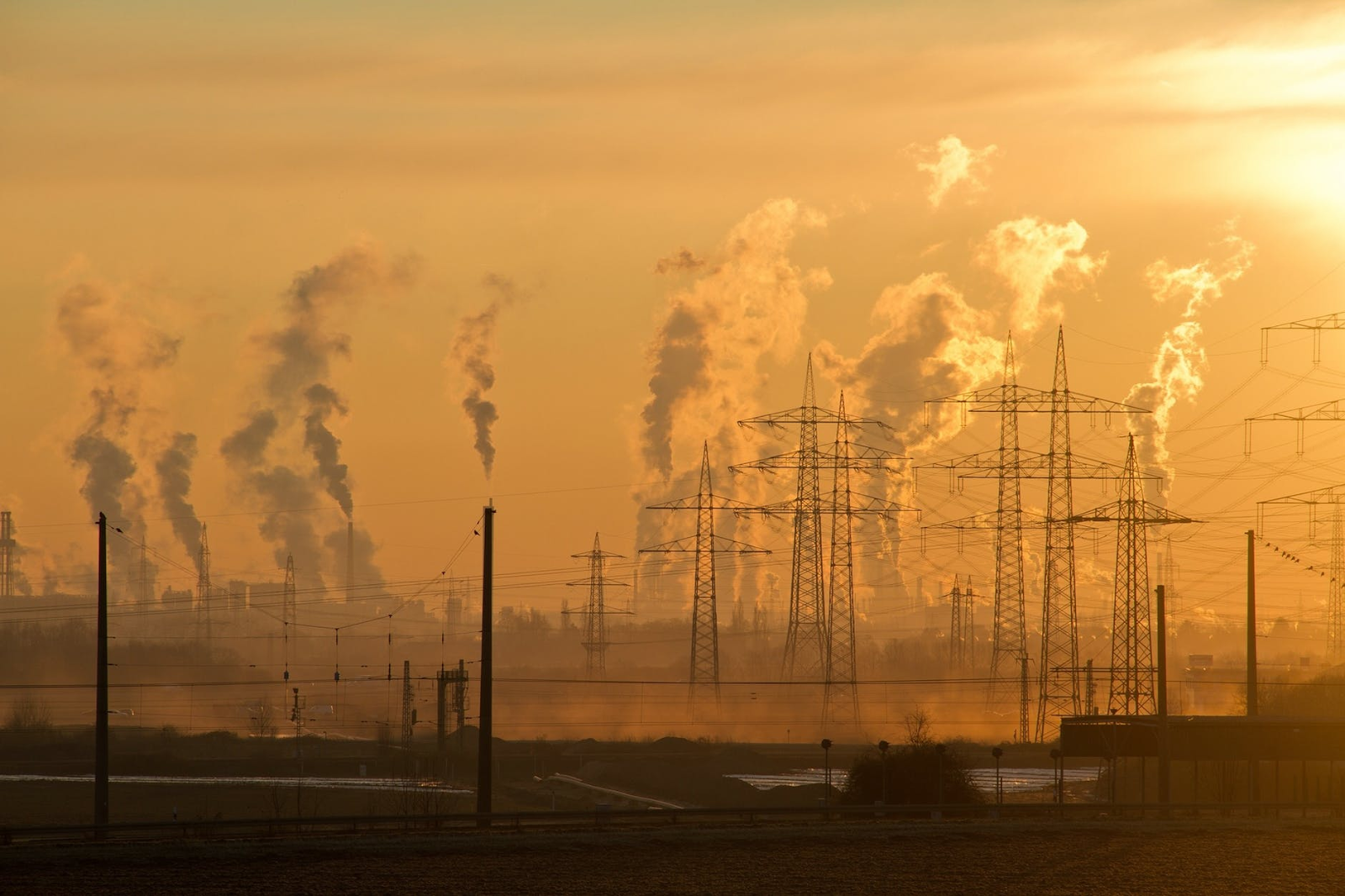
How climate change could make your summer allergies worse
The evidence for anthropogenic (human-driven) climate change is undeniable. The Intergovernmental Panel on Climate Change released their most recent report on climate change, the IPCC Fifth Assessment Report, in 2014. The IPCC states that if we don’t take immediate action, we run the risk of doing irreversible damage.
Climate change has already started taking its toll on the health and well-being of the poorest people first. But, when it comes to the impacts of climate change on health, the implications it has for allergies is rarely discussed. This is unsurprising because the connection may not be immediately apparent. But, it is there nevertheless, particularly for summer allergies.
What summer allergies could be affected by climate change?
When referring to summer allergies, the first one people think about is often hay fever. Hay fever is a massive problem for up to 30% of adults and 40% of children in the UK, especially during the summer. But, other summer allergies exist. People allergic to bee, wasp, and other insect stings need to be particularly vigilant when the weather gets warmer. Also, seasonal produce available in the summer can cause a variety of allergy symptoms in people with oral allergy syndrome.
What is climate change?
The main causes of anthropogenic climate change are the greenhouse gases that humans release into the atmosphere. These include carbon dioxide as a result of burning fossil fuels and high levels of deforestation, methane, which is particularly problematic due to the meat industry, ozone, chlorofluorocarbons, and hydrofluorocarbons, to name a few.
These act as a blanket of insulation around the earth allowing heat from the sun to come in, which then has a difficult time escaping. This is causing the average temperature of the planet to increase and is, therefore, upsetting the delicate balance of the earth’s ecosystems, ultimately causing chaos and changing climates.
What has this got to do with your allergies?
As this climate change occurs, many countries are beginning to experience changing weather patterns. This is terrible news for people with summer allergies. Summers are starting earlier, becoming hotter, and becoming more unpredictable or more prolonged. This means the insects causing your allergies are coming out sooner as the weather regulates their behaviour. The flowers that emit the allergenic pollen that causes you so many uncomfortable symptoms are blooming earlier. As a result, people will be hit by the effects of hay-fever earlier and for more extended periods of time.
As climates heat up, species of plants and insects, that once found Europe inhabitable, will start to make their way onto the continent from warmer areas as they can now survive there. This brings the potential for a whole host of new allergens to start affecting allergy prone people across the world. These factors ultimately mean that increasing temperatures, and changes in seasonal weather patterns, will lead to people with summer allergies suffering earlier, and longer than ever before. Scientists have already started to document the effects of this in some cases. Plants in the UK are blooming earlier now than in the last 250 years.
Protecting ourselves from the effects of global warming starts with reducing your carbon footprint. But, this won’t happen overnight. All the while your summer allergies are still affecting you. London Allergy and Immunology Centre will provide you with the best treatments available. Your allergies will no longer get in the way of your life. Book an appointment with us today by calling 02031 433 449 or visit our website.