
Lentil allergy
Posted: 15th June 2025 | Posted by AdminMR
Lentil Allergy: Clinical Relevance of Len c 1 and Len c 3
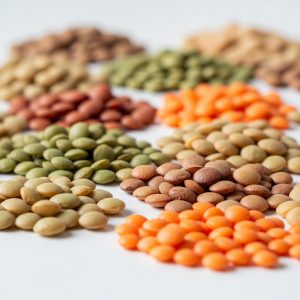
Overview of Lentil Allergens
Lentils (Lens culinaris) contain two major protein allergens:
- Len c 1 – A 7/8S globulin (gamma-vicilin seed storage protein)
- Len c 3 – A non-specific lipid transfer protein (nsLTP)
Biochemical Properties
Len c 1 is the major vicilin-type allergen in lentils, commonly linked to legume-induced allergic responses. Len c 3 is a potent nsLTP, structurally stable and capable of provoking systemic reactions in sensitised individuals. Understanding these properties aids in predicting severity and cross-reactivity.
Exposure and Geographic Prevalence
Allergic reactions primarily occur via ingestion, though inhalational exposure during cooking has been reported. High prevalence areas include:
- Southern Europe (Spain, Italy)
- Middle East
- South Asia
- North America
Cross-Reactivity with Other Legumes
Len c 1 shares IgE-binding epitopes with other vicilin allergens:
- Ara h 1 (peanut)
- Pis s 1 (pea)
- Cic a 1 (chickpea)
Len c 3 cross-reacts with Pru p 3 (peach nsLTP), relevant in LTP syndrome prevalent in southern Europe. These cross-reactivities explain overlapping allergic responses among legumes and certain fruits.
Thermal Stability and Allergenicity
- Some IgE-binding proteins are heat-labile and lose allergenicity when cooked
- Len c 1 and Len c 3 remain heat-stable and can provoke reactions even after boiling
Diagnostic Value of Component-Resolved Testing (CRD)
Recombinant Len c 1 and Len c 3 allow for component-resolved diagnostics:
- Higher sensitivity in detecting lentil allergy
- Improved risk stratification
- Differentiation between true allergy and cross-reactive sensitisation
This molecular approach is particularly useful in cases involving multiple legumes.
Conclusion
Len c 1 and Len c 3 are central to lentil allergy diagnosis and management. Their structural stability and cross-reactive potential make them key targets in personalised allergy testing and risk assessment. Accurate identification improves clinical decision-making and patient outcomes.
References
- Vieths S, et al. Component-resolved diagnostics for legume allergy. Allergy. 2023.
- Garcia-Blanco A, et al. Thermal stability of legume vicilin allergens. Clin Exp Allergy. 2024.
- Sénéchal H, et al. Cross-reactivity among edible legumes: molecular insights. Mol Immunol. 2023.
Individual allergy test for Lentil (whole allergen) is available at www.FoodAllergyTest.co.uk