Latest News and Info

Cotton allergies: Could these 3 everyday fabrics be behind your allergy symptoms?

you Cotton allergies: Could these 3 everyday fabrics be behind your allergy symptoms?

We often think of cotton as a gentle, hypoallergenic material, but for some, it can be the silent trigger behind allergy symptoms. If you’ve been dealing with itchy skin, a stuffy nose, or watery eyes, the fabrics in your home could be contributing to these issues. Let’s explore three common household fabrics that might be affecting your allergies and find some allergy-friendly alternatives to help you breathe a little easier.

1. Cotton clothing and bedding: A soft culprit?

Cotton is everywhere—your cosy bed sheets, that favourite T-shirt, or even your fluffy bath towels. But while it’s comfortable for most, cotton can irritate the skin or cause respiratory issues for some, especially due to residues from pesticides or chemicals used in fabric processing.

Allergy-friendly alternatives:

  • Organic cotton: If conventional cotton is causing issues, organic cotton might be a game-changer. Grown without harsh chemicals, it’s less likely to irritate sensitive skin.
  • Bamboo: Naturally hypoallergenic and moisture-wicking, bamboo fabric feels soft and cool, making it ideal for clothing and bedding.
  • Silk: For those with sensitive skin, silk provides a luxurious, gentle option that’s less likely to trigger allergies. It’s smooth, soft, and naturally resistant to dust mites.

2. Upholstery and furniture fabrics: Trapped allergens everywhere

Your couch, favourite armchair, and even decorative cushions may contain cotton blends or synthetic fibres that can harbour allergens like dust mites. These common allergens can make lounging uncomfortable, bringing on sneezing fits, coughing, or even red, itchy eyes.

Allergy-friendly alternatives:

  • Leather or faux leather: These non-porous materials don’t trap dust or allergens, making them a perfect choice for sofas and chairs. Plus, they’re easy to wipe clean!
  • Microfiber: A tightly woven fabric, microfiber helps reduce dust buildup and is easier to maintain. It’s a smart choice for furniture, as it can be cleaned quickly and doesn’t trap allergens like traditional fabrics.

3. Cotton curtains and rugs: Hidden allergy traps

Curtains, rugs, and fabric décor might add warmth to your home, but they can also harbour dust, mould, and pollen. Cotton curtains, in particular, are magnets for dust, which can stir up allergies in those with sensitivities.

Allergy-friendly alternatives:

  • Roller blinds: A chic and modern alternative to fabric curtains, roller blinds are easy to clean and less likely to collect dust and other allergens.
  • Synthetic rugs: Consider nylon or polyester rugs. They’re often more hypoallergenic than cotton or wool options and can be vacuumed or wiped down easily, reducing allergen buildup.

Wondering if fabric allergies are the cause?

If you’ve tried everything but still feel the effects of allergies, you might find fabric testing could provide the answers. An allergy test can help you pinpoint specific triggers, giving you a clear path forward to an allergen-free home environment.

Take charge of your home’s comfort

Don’t let fabric allergies keep you from enjoying your space. With a few mindful swaps and a little awareness, you can create a stylish and soothing home. You don’t have to choose between the two. Why not start today? You have the option to visit our London-based allergy clinic for a comprehensive evaluation by our specialists or take advantage of our home allergy test.
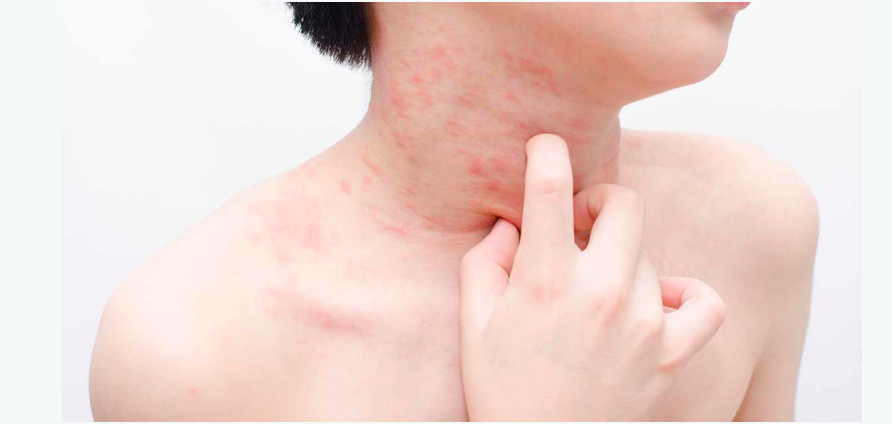

Understanding Urticaria: A day to raise awareness

Understanding Urticaria: A day to raise awareness

October 1st marks World Urticaria Day, a global initiative dedicated to raising awareness of a condition that affects millions of people worldwide. Urticaria, commonly known as hives, is a skin reaction characterised by itchy, raised welts that vary in size and can appear anywhere on the body. It may last for hours or days or, in some cases, become a chronic condition that can persist for months or years.

What causes Urticaria?

Urticaria can be triggered by various factors, ranging from allergic reactions to certain foods or medications to environmental triggers like heat, cold, or stress. There are two main types:

  1. Acute Urticaria: Typically triggered by an allergic reaction to food (such as nuts, shellfish, eggs), medications, or insect stings. It usually resolves within a few weeks.
  2. Chronic Urticaria: Persists for more than six weeks and may not always have an identifiable trigger, making it harder to manage.

Urticaria occurs when histamine and other chemicals are released into the bloodstream. Histamine causes the blood vessels to leak, resulting in the classic red, swollen welts that appear on the skin. This is often a result of the immune system’s response to a perceived threat.

Urticaria symptoms to watch for

Aside from the hallmark itchy welts, some people may experience other symptoms:

  • Swelling (angioedema): This can occur in deeper layers of the skin, particularly around the eyes, lips, and sometimes the throat, which can be life-threatening if it impairs breathing.
  • Flare-ups: These can be sporadic or constant, making it challenging for sufferers to predict and manage their condition.

Diagnosing urticaria can be complex, especially in chronic cases where no clear triggers are present. Many people suffer for years without knowing the root cause of their symptoms. Misdiagnosis is also common, leading to ineffective treatments.

That’s why allergy testing is crucial in identifying potential allergens or underlying conditions. Testing can provide clarity and enable tailored treatment plans, potentially alleviating years of discomfort.

Common Urticaria triggers and how to identify them

Food Allergies: Many cases of acute urticaria are caused by reactions to food allergens like shellfish, nuts, eggs, or dairy. If you’re experiencing symptoms, a thorough allergy test can reveal food triggers you may not know.

Environmental Factors: Pollen, dust mites, mould, and pet dander can also cause urticaria in sensitive individuals. Some people may have allergic reactions to extreme temperatures or pressure on the skin, known as pressure or heat urticaria.

Medications: Reactions to medications, such as antibiotics or nonsteroidal anti-inflammatory drugs (NSAIDs), are also a common cause. Testing can help pinpoint which medications might be contributing to your symptoms.

Managing urticaria: A proactive approach

For those suffering from urticaria, lifestyle changes and avoiding known triggers can make a significant difference. Some proactive steps include:

  • Keep a symptom diary: Track what you eat, any new medications, and environmental factors to help identify patterns.
  • Consult an allergy specialist: Accurate diagnosis through allergy testing is essential. At our clinic, we offer both in-clinic allergy tests and at-home testing kits to make it easy for you to get answers from the comfort of your home.

Why you should consider allergy testing

Urticaria’s unpredictability can disrupt daily life, impacting everything from work to social interactions. Early detection of the underlying causes can help reduce the frequency and severity of flare-ups. Allergy testing can identify triggers you may not even be aware of and give you the information you need to take control of your health.

At our clinic, we offer a range of comprehensive allergy tests, including:

  • Food sensitivity tests: To detect potential food allergens that could be causing your symptoms.
  • Environmental allergen tests: Identifying sensitivities to pollen, mould, dust, or other environmental triggers.
  • Medication reaction testing: Understanding if medications are contributing to your hives.

We believe in making testing as convenient and accessible as possible. Whether you prefer the thoroughness of an in-clinic appointment or the convenience of an at-home test, we have options to suit your lifestyle. Our at-home tests are simple and easy to use, with detailed instructions on how to take your sample and send it to our lab.

If you’re experiencing persistent hives or other allergic reactions, it might be time to examine what’s triggering your symptoms. Consider booking an allergy test with us today, either at our clinic or from the comfort of your home. Take control of your health and gain peace of mind knowing you’re on the path to effectively identifying and managing your allergies.

Through education, accurate diagnosis, and tailored management strategies, we can help Urticaria sufferers lead more comfortable, symptom-free lives. Whether you’ve just started experiencing symptoms or have been struggling for years, getting tested is the first step toward relief. Sign up as a new patient today. You can visit our clinic in London or take one of our home tests to understand the cause of discomfort in your home. 


Is your home making you sick? The importance of testing for dust mites and pet allergies

Is your home making you sick? The importance of testing for dust mites and pet allergies

Do you often find yourself sneezing, coughing, or experiencing itchy eyes in your own home? While it might seem like seasonal allergies or a mild cold, the real cause could be closer than you think. Household allergens like dust mites and pet dander are common triggers for these symptoms. Without knowing it, your home may be a hotspot for allergens.

Common household allergens

  1. Dust mites
    Dust mites are tiny creatures that live in bedding, carpets, and furniture. They thrive in warm, humid environments and feed on dead skin cells. These mites are a leading cause of sneezing, coughing, and even asthma. Because they are so small, you won’t be able to see them. Testing for dust mite allergies is important as they are hard to avoid without knowing.
  2. Pet dander
    If you have pets, you may be familiar with the sneezing and itchy eyes that come with pet allergies. Pet dander, tiny flakes of skin shed by animals, can linger in your home for long periods. It sticks to carpets, furniture, and even clothing. Testing for pet dander allergies can help you pinpoint whether your beloved pets are causing your symptoms.
  3. House dust
    House dust is a mix of particles from dust mites, pollen, mould, and more. Because it contains so many different elements, it’s a common allergen. If your symptoms get worse when you’re in dusty areas, house dust could be the cause. Testing for this allergy helps you understand which specific allergens in the dust are affecting you.

Why testing matters

Testing for allergies is crucial because it helps you find the exact cause of your symptoms. Knowing whether dust mites, pet dander, or house dust are responsible allows you to take the right steps. For example, using allergen-proof bedding, regular vacuuming, and keeping pets out of certain rooms can make a huge difference. Without testing, it’s difficult to know what changes will help.

Managing allergies at home

Once you know your triggers, managing your allergies becomes easier. For dust mites, washing bedding regularly, using a dehumidifier, and vacuuming with a HEPA filter can help reduce symptoms. If you have pet allergies, keeping pets off furniture and out of bedrooms is a good first step. Regular grooming and cleaning can also reduce pet dander in your home.

Allergies can be a challenge to your daily life, but with the right diagnosis and management plan, they can be kept under control. Our experts specialise in identifying and treating adult allergies. If you suspect that household allergens are affecting your health, we can help you pinpoint the exact triggers and provide solutions to alleviate your symptoms. Why not register as a new patient or take one of our home allergy tests? Together, we can create a personalized plan to help you enjoy your home without the constant discomfort of allergies.

Back-to-school guide for parents of children with allergies

Back-to-school guide for parents of children with allergies

As children head back to school, parents of children with allergies face unique challenges to ensure their safety and well-being throughout the term. Whether it’s food, environmental, or other allergens, careful planning can help minimise risks. Here’s a comprehensive guide for parents in England to navigate the school year successfully.

Communicate with the school

  • Inform teachers and staff: Ensure all staff, including teachers, lunchtime supervisors, and school nurses, are fully informed about your child’s allergies. Share detailed information about symptoms, triggers, and emergency procedures.
  • Emergency action plan: Provide the school with a written action plan detailing what to do if your child has an allergic reaction. This should include the types of medication they may need, such as antihistamines or an EpiPen, and instructions on administering it.
  • Team up with key staff: Arrange a meeting with the headteacher, school nurse, and teachers to discuss your child’s needs. Review the school’s allergy policy to make sure it aligns with your expectations.

Safe snacks and meals

  • School lunches: If your child eats school-provided meals, ensure the catering team is aware of their allergies and can provide safe, allergen-free options. If needed, review the menu to confirm there are alternatives.
  • Packed lunches: For children bringing their own food, pack safe, allergy-free meals. Consider labels that indicate any allergens, or use bright, easy-to-spot containers for clarity.
  • Snack guidelines: Confirm if the school has guidelines for classroom snacks or shared treats, especially during celebrations or holidays. You may need to provide a stash of safe treats your child can have when others bring in snacks.

Medical supplies and accessibility

  • Keep medication at school: Make sure that your child’s medication, such as antihistamines or an EpiPen, is up-to-date and stored safely at school. Ensure staff know where these are kept and that they are easily accessible in an emergency.
  • Medic alert: Consider a medical alert bracelet for your child that clearly lists their allergies. This is particularly helpful if they are older and have more independence around school.

Educating your child

  • Allergy awareness: Teach your child about their allergies, including what they can and can’t eat, how to recognise a reaction, and what to do in an emergency. Encourage them to always ask if they’re unsure whether a food is safe.
  • Role-play scenarios: Practice scenarios in which they may have to politely decline food or seek help if they feel unwell. This builds their confidence in managing their allergies when you’re not there.

Allergy-friendly classroom environment

  • Allergen management: Ensure that the classroom is a safe environment. Discuss with teachers whether there are potential allergens in art supplies, science experiments, or even classroom pets. Some schools may opt for an allergen-free classroom policy.
  • Classroom supplies: To reduce the risk of cross-contamination, consider providing your child’s classroom with allergen-free materials, such as safe hand wipes.

Sports activities

  • PE and sports day: Ensure that PE teachers and sports staff are aware of your child’s allergies, particularly if they involve environmental factors like pollen or insect stings. Make sure they have access to your child’s medication during outdoor activities.
  • Field trips and outings: Discuss the details of any trips or outings with teachers beforehand. Confirm that appropriate precautions are in place and that the staff in charge know how to manage your child’s allergies away from school.

Reinforcing school allergy policies

  • Nut-Free policies: Many schools in the UK have a nut-free policy to protect students with severe allergies. Understand the school’s policy, and help reinforce it by communicating with other parents.
  • Classmate education: Encourage the school to raise awareness among classmates. This could be through a lesson or assembly on allergies to foster a supportive and inclusive environment for children with allergies.

Monitoring mental and emotional health

  • Anxiety and social pressure: Allergies can sometimes cause children to feel anxious or different from their peers. Talk to your child about how they feel and help them manage any anxiety around school.
  • Inclusion: Work with teachers to ensure that your child is included in all school activities, from sports to birthday parties, while managing their allergies. This can help prevent feelings of isolation or exclusion.

Ongoing communication

  • Regular check-ins: Stay in regular communication with the school throughout the term. Keep staff updated on any changes in your child’s allergies or treatment plans. Likewise, ask for feedback on how things are going at school and address any issues as they arise.
  • Updating Records: Ensure the school has updated records at all times, including emergency contact details and any medical advice or changes from healthcare providers.

Be prepared for emergencies

  • Emergency drills: Ask the school if they run drills or scenarios for allergic reactions. This will give you confidence that the staff are well-prepared to handle an emergency situation.
  • Personal emergency kit: Consider giving your child a small emergency kit that they can keep with them. The kit should contain items like safe snacks, EpiPens, hand wipes, and a copy of their allergy action plan.

By taking these steps, parents of children with allergies can help ensure that their child with allergies has a safe, supportive, and inclusive school experience throughout the term. Regular communication and preparation are key to managing the challenges that come with allergies and helping your child feel confident and secure at school.

Allergies can be a challenge to your child’s life, but with the right diagnosis and management plan, they can be kept under control. Our experts specialise in identifying and treating pediatric allergies. If you suspect allergies, we can help you understand exactly what triggers your child’s symptoms and how to tackle them effectively. Why not register as a new patient or take one of our home allergy tests? Together, we can tailor a school management plan that suits your child and lets them enjoy school to the fullest.

Living with a cat allergy: Tips for cat owners

Living with a cat allergy: Tips for cat owners

Imagine coming home after a long day, eager to relax with your cat, only to find yourself sneezing with itchy eyes and a runny nose. This is the reality for many cat owners who live with allergies. 

For some, the joy of having a feisty feline seems overshadowed by the discomfort of allergic reactions. However, living with a cat allergy doesn’t necessarily mean you have to give up your beloved pet. With the right approach and strategies, you can manage your symptoms and enjoy the companionship of your furry friend.

The first step is to recognise the signs of a cat allergy. You might experience sneezing, itching, watery eyes, or even difficulty breathing when around cats. The best way to confirm if you have a cat allergy is to get tested. 

Once you have a clear diagnosis, you can begin implementing effective strategies to reduce allergen exposure and create allergy-friendly spaces in your home. Here’s everything you need to know about your potential cat allergy.

Cat breeds and allergen levels: Are hypoallergenic cats real?

The concept of hypoallergenic cat breeds is often misunderstood. No cat breed is entirely hypoallergenic, but some breeds produce fewer allergens than others. It’s important to understand what actually causes allergic reactions:

  • Fel d 1 Protein:
    • Source of allergens: The primary allergen, Fel d 1, is a protein found in cat saliva, skin, and sebaceous glands. When cats groom themselves, this protein spreads to their fur and skin and eventually becomes airborne as dander.
  • Breeds that produce fewer allergens:
    • Siberian: Some studies suggest that Siberian cats produce lower levels of Fel d 1.
    • Balinese: Known for producing fewer allergens compared to other breeds.
    • Oriental Shorthair: These cats shed less fur, potentially reducing allergen spread.
    • Devon Rex and Cornish Rex: With their unique coats, these breeds may produce fewer allergens.

While these breeds may produce fewer allergens, individual reactions can vary. It’s crucial to spend time with a cat before deciding to bring them home to see how you react.

Strategies for reducing allergen exposure in the home

Managing cat allergies starts with reducing the presence of allergens in your home. Here are some effective strategies:

  • Hoover regularly: Use a vacuum cleaner with a HEPA filter to capture dander and hair.
  • Wash bedding and soft furnishings: Frequently clean your cat’s bedding, your own bedding, and any other fabric surfaces.
  • Dust and wipe surfaces: Regularly dust and wipe down surfaces to remove allergens.
  • Use air purifiers: Place air purifiers in key areas to reduce airborne allergens.
  • Ventilate your home: Open windows and use exhaust fans to improve air circulation.
  • Regularly bathe your cat: Bathing your cat once a week can reduce dander, though it’s essential to use cat-safe products and consult with your vet. Regular brushing can help reduce shedding and dander.
  • Have cat-free zones: Perhaps you can keep your bedroom a cat-free zone to reduce allergens where you sleep.
  • Use allergy-resistant materials around the home: Use washable covers for furniture and cushions so it’s easier to remove and clean as part of your ongoing routine. Consider hard flooring like tile or wood, which is easier to clean than carpet.
  • Designated cat areas: Keep litter boxes in well-ventilated, low-traffic areas. Provide comfortable beds for your cat in designated areas to encourage them to stay there.

Take control of your cat allergy

Living with a cat allergy requires careful management, but it doesn’t mean you have to live without your furry friend. Implementing the strategies mentioned above can significantly reduce allergen exposure and improve your quality of life.

If you suspect you have a cat allergy, getting tested is a crucial step. Understanding your allergy status can help you take necessary precautions and avoid severe reactions. Our comprehensive allergy testing kit offers a simple, accurate, and convenient way to determine if cat allergens are affecting your health. Why not register as a new patient or take one of our home allergy tests today? You’re home can stay your safe space.


6 Countries to be mindful of when travelling with a peanut allergy

6 Countries to be mindful of when travelling with a peanut allergy

Travelling the world can be exciting, but for those who suspect peanut allergies, it can also bring about a heightened sense of caution. Different countries have varying levels of awareness and accommodation for peanut allergies, and it’s crucial to know which destinations require extra vigilance. If you suspect you have a peanut allergy, understanding the risks in certain countries can help you plan a safer and more enjoyable trip.

Thailand

Thailand is known for its delicious and diverse cuisine, but peanuts are a staple ingredient in many dishes, including the famous Pad Thai (ผัดไทย) and numerous street foods. Cross-contamination in food preparation is common, making it challenging to avoid peanuts entirely.

  • Common dishes with peanuts:
    • Pad Thai (ผัดไทย)
    • Satay (สะเต๊ะ)
  • Translation for “no peanuts”: ไม่มีถั่วลิสง (mai mii thua lisong)

China

Chinese cuisine often includes peanuts and peanut oil, particularly in dishes like Kung Pao Chicken (宫保鸡丁) and various stir-fries. Language barriers can also pose a challenge when communicating allergy needs.

  • Common dishes with peanuts:
    • Kung Pao Chicken (宫保鸡丁)
    • Noodles (花生面)
  • Translation for “no peanuts”: 不要花生 (bú yào huā shēng)

India

Indian food frequently uses peanuts and groundnut oil, especially in snacks and street food. Given the prevalence of peanuts in many regional dishes, it’s essential to exercise caution and communicate your allergy clearly.

  • Common dishes with peanuts:
    • Bhel Puri (भेल पुरी)
    • Chutney (शेंगदाणा चटणी)
  • Translation for “no peanuts: मूंगफली नहीं (moongphali nahin)

Indonesia

Indonesian cuisine, particularly in Bali and Java, uses peanuts in a variety of dishes like Satay (Sate) and Gado-Gado. Even if peanuts aren’t listed as an ingredient, cross-contamination can occur in shared cooking spaces.

  • Common dishes with peanuts:
    • Satay (Sate)
    • Gado-Gado
  • Translation for “no peanuts”: Tanpa kacang tanah

Nigeria

In Nigeria, peanuts (or groundnuts) are a common ingredient in many traditional dishes, such as Groundnut Soup. Street vendors and local restaurants may not always be aware of the severity of peanut allergies, so it’s crucial to be vigilant.

  • Common dishes with peanuts:
    • Groundnut Soup
    • Kilishi (spiced dried meat with peanuts)
  • Translation for “no peanuts”: Ba tare da gyada (Hausa)

Mexico

While Mexican cuisine is known for its rich flavours and variety, peanuts can be found in dishes like Mole Sauce and some street foods. Ensuring that food is peanut-free can be challenging, particularly in local markets.

  • Common dishes with peanuts:
    • Mole Sauce
    • Cacahuates (peanuts in various snacks)
  • Translation for “no peanuts”: Sin cacahuates

Tips for safe travel with a peanut allergy

If you’re not sure whether you have a peanut allergy, the best thing to do is to first take an allergy test to be sure. If you discover you do have a peanut allergy, you’re not alone. Approximately 1-2% of the global population is estimated to have a peanut allergy, affecting millions of people worldwide.

A peanut allergy shouldn’t mean you can’t travel. Here are our safe travel tips:

  • Research before you go: Research the typical ingredients used in your destination’s cuisine and identify potential risks.
  • Learn key phrases: In countries where English is not widely spoken, learn key phrases to communicate your peanut allergy. We’ve given you a head start above. 
  • Carry allergy cards: Use allergy translation cards to explain your condition to restaurant staff and food vendors.
  • Pack safe snacks: Bring a supply of safe, non-perishable snacks in case you have trouble finding suitable food options.
  • Stay in accommodations with kitchens: To avoid cross-contamination, consider staying in places where you can prepare your own meals. This isn’t always ideal for holidays, but for longer-term travel, it can bring you peace of mind.

Take control of your peanut allergy

If you suspect you have a peanut allergy, it’s crucial to confirm it before travelling. Knowing your allergy status can help you take necessary precautions and avoid severe reactions. Our peanut allergy testing kit offers a simple, accurate, and convenient way to determine if peanuts are affecting your health.

Understanding peanut allergies can feel overwhelming, but you don’t have to go through it alone. Travel plans don’t need to be grounded to keep you safe. Why not register as a new patient or take one of our home allergy tests? Begin your path to a peanut-free life today. 


Everything you need to know about sex if you suspect a latex allergy

Everything you need to know about sex if you suspect a latex allergy


Latex allergies are more common than you might think, causing significant discomfort, especially during intimate moments. If you experience itching, redness, or swelling after using latex products, you might have a latex allergy. Don’t worry; you’re not alone. Roughly 1-6% of the UK is affected by latex allergy, with higher rates in healthcare workers and those with frequent latex exposure.

Identifying symptoms and potential triggers

If you suspect you might have a latex allergy, pay attention to how your body reacts during bedroom activities. Common symptoms include:

  • Skin irritation or itching
  • Hives or rash
  • Sneezing and runny nose
  • Red, watery, or itchy eyes
  • Difficulty breathing or wheezing
  • Coughing
  • Anaphylaxis in severe cases

Recognising these symptoms is crucial. If you notice any of these signs, especially after using latex condoms or other latex products, it might be time to consider getting tested for a latex allergy. If you do test positive, it’s ok. There are alternatives you can rely on to enjoy a healthy sex life.

Safe sex tips for those with latex allergies

Maintaining a healthy and enjoyable sex life is possible even with a latex allergy. Here are some tips to help you stay safe:

Alternatives to latex 

When it comes to considering what to be mindful of, the first thing that comes to mind is condoms. Thanks to their elasticity, durability, and effectiveness in preventing sexually transmitted infections (STIs) and pregnancy, 80-90% of condoms in the market are made from latex. However, for those with a latex allergy, non-latex alternatives are available to provide a reliable barrier against STIs and pregnancy while keeping your body comfortable.

Latex isn’t strictly only in condoms. It might also appear in:

  • Condoms
  • Fetish wear
  • Sex toys
  • Bondage gear such as cuffs, masks, and restraints.
  • Enemas and douche kits
  • Dental dams
  • Gloves

There are always alternatives to bedroom activities that can lead to symptom-free living. Once you’ve taken an allergy test to determine the cause of your bedroom discomfort, it’s a good opportunity to identify where the issue could be stemming from and make adjustments. You might consider switching latex clothing for PVC, for example.

Choosing the right lubricant for latex-free condoms

When using latex-free condoms, opt for water-based or silicone-based lubricants. These lubricants are safe to use with polyurethane, polyisoprene, and nitrile condoms and enhance comfort without compromising the integrity of the condom.

Communicating about latex allergies with your partner

Open communication with your partner is crucial for maintaining a healthy and enjoyable sex life. Here are some strategies for discussing latex allergies openly:

  • Be honest and direct: Explain your allergy clearly and why it’s important to avoid latex.
  • Share alternatives: Discuss the available options and choose the best one together. Finding alternatives you both enjoy could become a fun game.
  • Educate your partner: Provide information about latex allergies to help them understand and support you better.
  • Focus on communication: Keep the lines of communication open to ensure both partners feel comfortable and understood. You never be put in a compromising position that puts your health at risk. If condoms are your choice, not using them doesn’t need to be an option you don’t want. There are alternatives.

Taking control of your latex allergy

Do you suspect a latex allergy? Rather than rely on self-diagnosis, it’s a good idea to find out what’s causing your discomfort. If you’re worried latex is reacting negatively with you, you’re not alone. Identifying latex as a trigger for your symptoms is crucial for managing your allergies effectively.

Understanding latex allergies can feel overwhelming, but you don’t have to go through it alone. Don’t hesitate to take the next steps toward better health. Why not register as a new patient or take one of our home allergy tests? Begin your path to a healthier, latex-free life today. 

Understanding latex allergies: Risks, symptoms, and solutions

Understanding latex allergies: Risks, symptoms, and solutions

Latex is a versatile material widely used in various industries. This is down to its elasticity, durability, and waterproof properties.

For some people, however, exposure to latex can lead to reactions. These range from mild skin irritations to severe respiratory issues. 

Common sources of latex exposure

Latex is found in a variety of everyday items beyond the obvious gloves and balloons. Typically, you’ll find latex in:

  • Medical supplies: Catheters, blood pressure cuffs, tourniquets, and dental dams.
  • Adhesives: Many types of adhesive bandages, tapes, and household glues.
  • Clothing and accessories: Elastic bands in clothing, underwear, socks, shoes, and some bras.
  • Household items: Rubber bands, carpet backing, bath mats, and sponges.
  • Office supplies: Rubber erasers, adhesive tape, and rubber stamps.
  • Sports equipment: Athletic shoes, handlebar grips, swim caps, and sportswear.
  • Toys: Some children’s toys, particularly those with stretchy or rubbery components.
  • Condoms and diaphragms: Most condoms and some diaphragms.
  • Mattresses and pillows: Latex foam in some mattresses and pillows.
  • Vehicle products: Tires, windshield wiper blades, and interior components.
  • Musical instruments: Some wind instruments and string instruments.
  • Personal care products: Makeup sponges, hairbands, and disposable razors.
  • Art supplies: Certain types of paint and modelling clay.
  • Industrial products: Gaskets, seals, hoses, and machinery belts.

Jobs at high risk for latex exposure 

Certain professions involve regular contact with latex, putting workers at a higher risk of developing latex allergies. These jobs include:

  • Healthcare professionals: Doctors, nurses, surgeons, dentists, and other medical staff.
  • Laboratory technicians: Frequent use of latex gloves and laboratory equipment.
  • Cleaners and janitors: Use of latex gloves and cleaning supplies.
  • Hairdressers and beauticians: Use of latex gloves for hair treatments.
  • Food handlers and chefs: Latex gloves for hygiene in food preparation.
  • Manufacturing workers: Factories producing latex products.
  • Tattoo artists and piercers: Use of latex gloves for sterile environments.
  • Vets and technicians: Use of latex gloves and products during examinations and surgeries.
  • Housekeepers: Use of latex gloves for cleaning.
  • Construction workers: Latex-containing construction materials and protective gear.
  • Emergency responders: Latex gloves during emergency procedures.
  • Dentists and dental hygienists: Frequent use of latex gloves and dental products.

Symptoms of latex allergy 

Latex allergies can show in various ways. Common symptoms include:

  • Skin irritation: Itching, redness, and rash.
  • Respiratory issues: Sneezing, runny nose, and wheezing.
  • Eye irritation: Red, itchy, or watery eyes.
  • More severe reactions: Difficulty breathing, coughing, and even anaphylaxis in extreme cases.

Managing a potential latex allergy 

If you suspect you have a latex allergy, it is essential to take steps to manage your exposure and minimise symptoms. The first best step is to take a latex allergy test. Once you’re able to confirm your sensitivity, you can take control of your health.

With your diagnosis, you can start taking positive steps toward a more comfortable lifestyle. The next best steps are to:

  • Identify and avoid sources: Be aware of common products containing latex. Seek alternatives made from vinyl, nitrile, or other non-latex materials.
  • Inform your employer: If your job involves exposure to latex, inform your employer and request non-latex gloves and equipment.

Without a diagnosis, it’s hard to know the steps to take. Why not take a test today? Our specialists can then put together a treatment plan for you. 

Don’t let unexplained symptoms control your life. By identifying the underlying issues, you can embark on a path to better health, comfort, and peace of mind. Register as a new patient today to take the first step towards being in control of your health. Or, if you prefer to test in the comfort of your own home, you can order one of our home test kits.


Summer allergies: Enjoy the season without sneezing

Summer allergies: Enjoy the season without sneezing

Picture this: You’re planning a picnic with friends at Hyde Park. The sun is shining, the sky is a clear blue, and you’re all set with your favourite sandwiches and lemonade. But just as you settle down, your nose starts to twitch, your eyes begin to water, and before you know it, you’re reaching for tissues more than the sandwiches. This is the reality for many during summer.

Summer is a wonderful time for outdoor activities, but for many, it also brings the challenge of managing seasonal allergies. The beautiful blossoms and warm weather can be a double-edged sword, especially for those who suffer from summer allergies. 

Understanding the culprits: What are summer allergies?

Summer allergies are primarily caused by pollen from grasses, weeds, and trees. Around 10 million people in the UK suffer from hay fever, making it a significant seasonal concern. Mould spores and insect stings also contribute to the allergy misery.

Tips to enjoy your summer without sneezing

Over 20 million people in the UK suffer from allergic conditions. Allergies can lead to significant economic costs due to missed workdays and medical expenses. 

If you feel you’re suffering from summer allergies, you’re not alone. Here’s what to do next:

  1. Know your triggers: Understanding what triggers your allergies is the first step to managing them. Pollen is a major summer allergen. Grass pollen is particularly troublesome, peaking in late spring and early summer. Insect stings from bees, wasps, and mosquitoes can also cause allergic reactions. By knowing your triggers, you can take steps to avoid them.
  2. Check pollen counts: Monitor local pollen counts. Apps and websites like Pollen.com provide daily updates. Stay indoors on high-pollen days, especially in the early morning when pollen levels are at their peak.
  3. Create an allergy-free zone at home: Use air conditioning to filter out pollen and keep windows closed. Invest in a HEPA filter for your air conditioning system to improve indoor air quality. Regularly clean and replace air filters to ensure they are effective.
  4. Shower and change clothes after outdoor activities: Pollen can cling to your skin and hair. Taking a shower and changing your clothes after spending time outside can help reduce your symptoms.
  5. Protect your eyes and hair: Wearing sunglasses can help keep pollen out of your eyes, reducing redness and itchiness. A hat can also prevent pollen from settling in your hair.
  6. Maintain indoor air quality: Use dehumidifiers to reduce mould growth in your home. Regularly clean areas prone to moisture, like bathrooms and basements, to prevent mould buildup. Keeping your living space clean and dust-free can also help minimise allergy symptoms.

A breath of fresh air

If you’re experiencing persistent symptoms, it might be a good time to consider allergy testing. Allergy tests can help determine the specific triggers causing your discomfort, allowing for targeted management strategies. Our testing methods are precise and patient-friendly, providing you with the knowledge you need to improve your quality of life.

Don’t let unexplained symptoms control your life. By identifying the underlying issues, you can embark on a path to better health, comfort, and peace of mind. Register as a new patient today to take the first step towards being in control of your health. Or, if you prefer to test in the comfort of your own home, you can order one of our home test kits.

Travelling with allergies: Essential tips for a safe and enjoyable trip

Travelling with allergies: Essential tips for a safe and enjoyable trip

Summer’s here, and you’re finally getting around to planning that dream holiday to Italy. You’re excited about the Vatican, the art, and, of course, the food. But, during a lovely dinner in Rome, you suddenly experience severe stomach cramps and hives. The culprit? A hidden nut in your pesto sauce. 

Travelling is one of life’s greatest pleasures, offering a chance to explore new cultures, foods, and landscapes. However, for those with allergies, it can also bring about a unique set of challenges. Whether you’re journeying through the bustling streets of Bangkok or the serene landscapes of the Swiss Alps, managing your allergies effectively can make all the difference. 

Understanding allergens: What to watch out for

Around 20 million people in the UK suffer from allergies, and many experience heightened symptoms while travelling. Proper preparation and management can prevent allergic reactions and ensure a smoother, more enjoyable trip. Here’s what to look for:

  1. Food allergens: Foods can vary greatly across regions. Common food allergens include nuts, shellfish, and dairy. According to Allergy UK, around 2 million people in the UK have food allergies, making this a critical area of concern when travelling.
  2. Environmental allergens: Pollen levels can differ significantly by location and season. For example, grass pollen peaks in late spring and early summer in many parts of Europe, while tree pollen may be more prominent in other regions.
  3. Insect stings: Exploring the outdoors in countries like Australia or Brazil can expose you to insects like bees, wasps, and mosquitoes, which can cause allergic reactions.

Tips for safe and enjoyable travel:

  1. Plan: Research your destination’s common allergens. Websites like Pollen.com can provide local pollen forecasts. Knowing what to expect can help you prepare.
  2. Pack smart: Bring your allergy medications, including antihistamines, inhalers, and epinephrine auto-injectors if needed. Consider packing a travel-sized air purifier for your hotel room.
  3. Food precautions: Learn key phrases in the local language to communicate your food allergies. For instance, knowing how to say “I am allergic to nuts” in Italian (“Sono allergico alle noci”) can be crucial. Also, consider carrying allergy translation cards.
  4. Check accommodations: Contact hotels or rental properties in advance to request allergy-friendly rooms. For example, request a room that is pet-free and smoke-free.
  5. Stay hydrated and nourished: Staying hydrated and maintaining a balanced diet can help manage your symptoms. Dehydration can exacerbate allergic reactions, so drink plenty of water, especially in warmer climates.
  6. Be prepared for emergencies: Know the location of the nearest hospital or clinic. Keep a card with your medical information, including allergies and emergency contacts, in both English and the local language.
  7. Enjoy outdoor activities safely: When participating in outdoor activities, wear protective clothing to minimise exposure to pollen and insects. Sunglasses and hats can also help reduce contact with allergens.

Take control of your health

If you frequently travel and suffer from allergies, consider allergy testing to identify specific triggers. Our allergy tests are precise and patient-friendly, providing valuable insights that can help you plan your travels better and avoid discomfort.

Don’t let allergies hold you back from exploring the world. By understanding your triggers and taking proactive steps, you can enjoy safe and fulfilling travels. Register as a new patient today to take the first step towards being in control of your health. Or, if you prefer to test in the comfort of your own home, you can order one of our home test kits.

Copyright 2026. All Rights Reserved

LAIC Main Menu