
Hay fever and children: Understanding and managing seasonal allergies for your little one
Posted: 2nd May 2024 | Posted by Costa
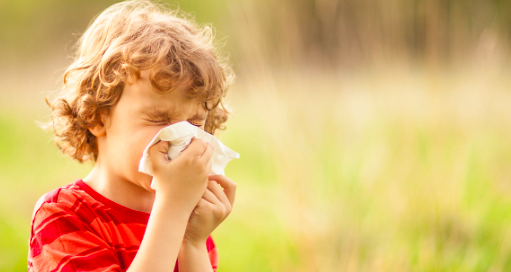
Hay fever, or allergic rhinitis, is a common issue that affects many people, especially in the UK. One in three people live with allergies and hay fever, roughly 21 million people in total. This number includes a significant number of children, with 10-15% affected.
Unlike adults, children may not always be able to articulate their discomfort or understand why they feel unwell, making diagnosis and management of hay fever in children uniquely challenging.
Recognising and treating hay fever in children is crucial, not only for their immediate comfort but also to prevent longer-term issues such as poor sleep quality and disrupted daily activities. This can be especially difficult for you to diagnose when it’s not something you experience yourself.
How hay fever affects children differently from adults
Children are often more sensitive to hay fever than adults due to their still-developing immune systems and smaller nasal passages. The typical symptoms—sneezing, nasal congestion, and itchy eyes—can significantly affect their mood, behaviour, and ability to concentrate in school. Additionally, children may be at a higher risk for developing related conditions like asthma or chronic sinusitis if their hay fever is not managed effectively.
Diagnosis challenges
One of the primary challenges in diagnosing hay fever in children is differentiating it from other childhood illnesses like the common cold. Allergy symptoms tend to be longer lasting and occur seasonally, a key difference from colds, which usually resolve within a week or two. Children may also develop allergies to different substances over time, making it difficult to pinpoint the exact cause without professional testing.
Tips for parents managing their child’s hay fever
If you suspect hay fever, there are ways you can help your little one have a more comfortable spring. Our top four tips for managing your child’schild’s hay fever are:
- Limit exposure
Keep windows closed during high-pollen days, and have your child shower and change clothes after being outdoors to remove pollen.
- Create a pollen-free environment.
Use air purifiers in the home and avoid hanging laundry outside to dry during pollen season.
- Monitor pollen counts
Stay informed about daily pollen levels using reliable sources or apps and plan outdoor activities accordingly.
- Educate and empower
Teach your child about their condition in an age-appropriate way, helping them to recognise symptoms and communicate their feelings.
What to do if you suspect your child has hay fever
If you’re unsure whether your child is experiencing hay fever or something else, it’s best to err on the side of caution and investigate the cause of the symptoms.
Pollen allergies can be disruptive to your child’s life, but with the correct diagnosis and management plan, they can be kept under control. Our experts specialise in identifying and treating pediatric allergies. By conducting thorough testing for pollen and other allergens, we can help you understand exactly what triggers your child’s symptoms and how to tackle them effectively. Why not register as a new patient or take one of our home allergy tests? Together, we can tailor a hay fever management plan that suits your child and lets them enjoy spring to the fullest.
.