
Insect sting allergies in the UK: what you need to know
Posted: 17th May 2023 | Posted by Costa
Insect sting allergies in the UK: what you need to know
Of all the creatures in the animal world, there may be none more overlooked than insects. Over 1 million individual species have been discovered, but some estimate there could be as many as 10 million. And for each person on Earth, there are a staggering 1.4 billion insects. That’s crazy to even think about.
They’re small and incredibly significant. And dare we say a bit annoying? As important as they are to our ecosystem, we’re sure that many of you have had a run-in with a bug that you’d rather forget. That ant infestation that pops up every summer. That one time you woke up to a spider on your pillow. Or even when you were stung by a wasp.
Today, we want to focus on that last one. There are some insects with the capacity to sting, so can you be allergic to them? How common is it? And what can you do to avoid them?
The truth about insect sting allergies
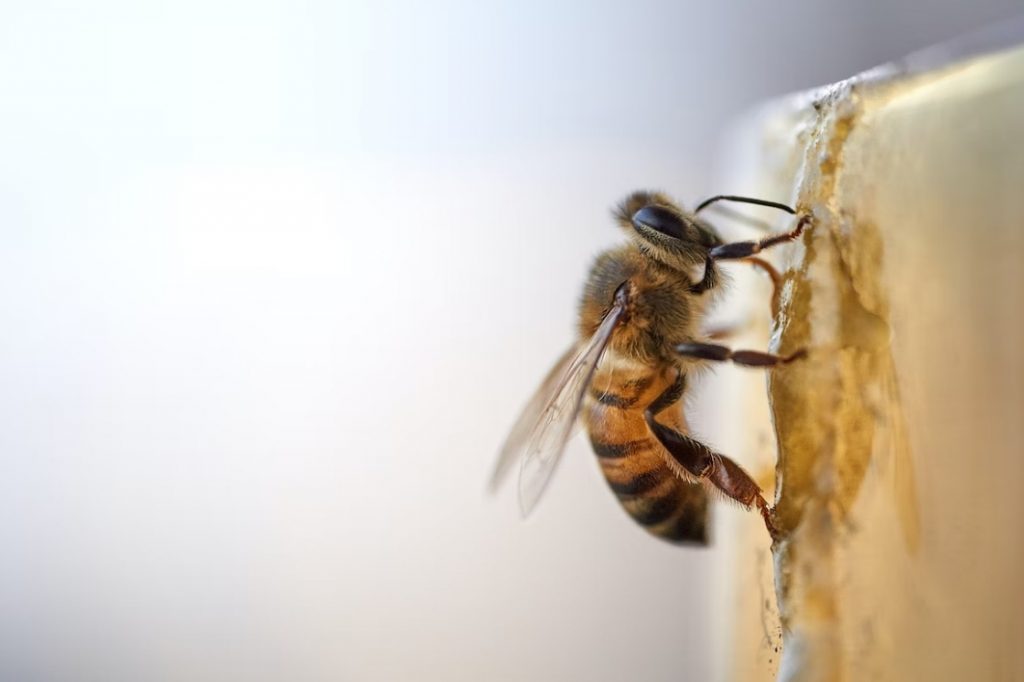
First of all, yes, it is possible to be allergic to an insect’s sting. In the UK, the most common culprits are going to be bees and wasps. The main difference between the two is that bees leave their stingers (and a venom sac) behind, while wasps don’t. They can sting as much as they like.
But while insect sting allergies exist, they are rare. Especially severe life-threatening cases, which only occur in 0.4% of people. Some people may think they have had an allergic reaction to a sting, but this is more likely to be a standard reaction to the venom, which in most cases, is not going to be life-threatening.
Also, it’s very unlikely that a child has an insect sting allergy. The way an allergy works is that our immune system overreacts to an allergen the first time it’s exposed to it. Since insect stings aren’t overly common, it’s not likely that a child will have the multiple stings needed to build up that allergic response. In other words, it won’t be an allergic reaction if it’s their first sting. So this is something to monitor.
Symptoms of insect sting allergies
The symptoms of a regular sting reaction and an allergic reaction can be similar, making it a difficult condition to diagnose. But the simplest way to differentiate between the two is to monitor how big the reaction is.
A normal reaction is usually localised to the site of the sting. In an allergic reaction, it can extend beyond that. For example, if you’re stung on the hand and the symptoms run across your whole arm, that could be an allergic response.
You might notice symptoms similar to what you’d see in dermatitis cases: hives, swelling, and itchy red patches across the skin. But you can also experience stomach cramps, intense nausea, and even vomiting.
In the most extreme cases, it may cause anaphylaxis. This is life-threatening and needs immediate treatment (note that any allergic reaction needs immediate treatment, but anaphylaxis is a special cause for concern). Symptoms of this include a tightness in the chest, difficulty breathing, and a feeling that you’re going to faint.
How to avoid insect stings
In the UK, it’s really only bees and wasps that sting. Others might bite, but venomous stings are typically found in these species. The problem with them is two-fold: they’re small and they can fly. As such, they can get places you don’t want them to be.
In the summer, consider keeping windows and doors closed so they can’t fly in. An alternative is to invest in mesh screens you can place over windows, allowing you to still circulate air through without inviting wasps and bees inside. When you go outside, cover up as much of yourself as you can and avoid loose-fitting clothing they could get caught in. Don’t walk around barefoot or with sandals on.
Food and strong smells attract them, too. So avoid eating outside, and when you’re out and about, stay away from open bins. Avoid using perfumes or other cosmetics with a strong smell as these can attract wasps and bees. And if you ever find one of their nests on your property, call an expert to deal with it as soon as possible.
As we said before, insect sting allergies are incredibly rare. But that doesn’t mean they don’t exist. 0.4% of the UK population is still around 280,000. Keep this advice in mind, ensure you always have an EpiPen to hand for emergencies, and talk to an allergy specialist about your next steps. And, as always, stay safe and stay healthy.
If you need to talk to an expert about your allergies, feel free to reach out to us today. For clear advice on how to live your best life, register as a new patient or call us on 02031 433 449.