Latest News and Info

The foods that may make your hay fever worse

hay fever

The foods that may make your hay fever worse

Our diet affects almost everything. We all know how it can help or hurt our physical health, but did you know it could also worsen or alleviate hay fever symptoms? That’s because some foods contain higher levels of histamine, the chemical our body releases in response to our allergies. They give us all those uncomfortable symptoms that drive us mad. 

To stop your symptoms from getting worse, it’s best to avoid high histamine foods. Here are four common culprits that might not be helping you during this hay fever season.

Dairy

Dairy products can be taxing on our immune systems. And when they’re weak, it can cause an overreaction to pollen and make existing symptoms worse. To fight hay fever, it’s important to have as strong an immune system as possible. This is possibly why vitamin C helps combat symptoms of allergic rhinitis.

Coffee

It may be time to replace your morning coffee with decaf. Caffeine is naturally high in histamines, which can worsen hay fever symptoms. Excess caffeine may even cause liver congestion, making it even worse still, as well as causing other problems. 

Alcohol

Nothing sounds better than sitting in the garden with a beer or a glass of wine on a warm, sunny evening. But sadly, beer, wine, and liquor all contain histamines that are produced during the fermentation process. Alcohol also suppresses the immune system. So, similar to dairy, anything that weakens this will make symptoms more of a chore.

Nuts

While nuts may seem like the perfect snack, they’re packed full of histamines too. So it may be best to lay off cashews, pistachios, walnuts, and almonds until your symptoms become more manageable. Nuts like hazelnuts, pecans, and macadamia nuts are less likely to trigger symptoms as they contain lower levels of histamine. 

While no food will ever cure your hay fever, avoiding certain foods may help prevent your symptoms from getting worse. Always check with your doctor or allergist before making any lifestyle changes. 

Is hay fever getting you down? Get in contact with the London Allergy and Immunology Centre today. Our team of experts can help you manage your allergies and help you regain control of your life. Call us now on 02031 433 449.

Is it lactose intolerance or a milk allergy?

Milk allergy

Is it lactose intolerance or a milk allergy?

Being a parent has its challenges. The additional worry of your child having an allergy or digestive problem is just extra weight on our shoulders. And to add to that, these problems can be hard to identify. 

Lactose intolerance and milk allergy seem so similar. They both cause some unpleasant symptoms. And in both cases, dairy products are to blame. You might even think they’re the same condition. But how do they differ from one another?

What happens in the body?

Lactose intolerance is a common digestive problem where the body cannot digest lactose – a sugar found in milk and other dairy products. While unpleasant, lactose intolerance is not an allergy or life-threatening.

A milk allergy is an abnormal response from the immune system. It mistakenly identifies certain proteins in milk as harmful. An allergic reaction to milk can range from mild, irritating symptoms to anaphylaxis, which can be life-threatening. Fortunately, according to the NHS, babies diagnosed with the condition can grow out of it.

Symptoms

Lactose intolerance causes some unpleasant symptoms but, since it’s not an allergy, they aren’t life-threatening. These symptoms include nausea, bloating, diarrhoea, and stomach pains and cramps.

Symptoms of a milk allergy can occur soon after consumption or take a few hours to develop. Immediate symptoms can include hives, wheezing, itching, coughing, and vomiting. Some take longer to become noticeable such as diarrhoea (sometimes bloody), watery eyes, runny nose, and colic in babies. In the worst cases, it can lead to anaphylaxis.

Controlling lactose intolerance and milk allergy

Simply avoiding dairy products is a way to treat lactose intolerance. Avoiding the causes of milk allergy can be a bigger challenge, though. Casein and whey are the two main proteins in milk and can be found in some products you might not expect, such as canned tuna and sausage. Some milk proteins have even been found in chewing gum. 

Allergies and intolerances can be hard to detect in children and babies. We need to be hypervigilant for any potential symptoms. If you suspect your child has a milk allergy, you should take them to see an allergist immediately.

To ensure your child is healthy, it’s always best to consult an expert. Put your mind at ease. Book an allergy test with Allergy Clinic London today on 02031 433 449.

Allergy horrors on Halloween: keeping your kids safe

Halloween

Allergy horrors on Halloween: keeping your kids safe

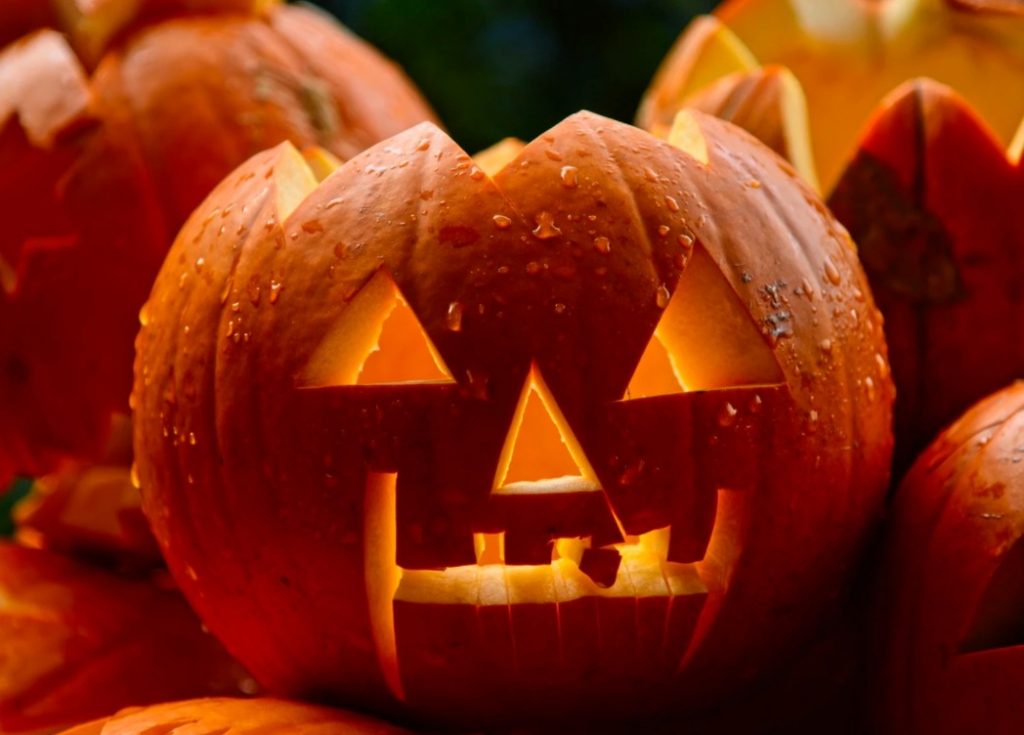
Prepare for a scare – it’s Halloween! This year’s festivities will undoubtedly be different from past years, but no doubt people will still be out in costume and trick or treating in whatever safe way they can.

But something that hasn’t changed is how dangerous Halloween can be for children with allergies. Parents of these kids worry about the content of their children’s trick-or-treating bags, wondering if the ingredients will set off an anaphylactic shock. But just because a kid has an allergy doesn’t mean they can’t enjoy Halloween. Here’s how you can keep your child safe this October 31st.

Trick or treating

A huge part of Halloween is the sweets and chocolates. And no kid is going to want to miss out on all that sugary goodness. But these treats will sometimes be packed with nuts, dairy, or other ingredients that set allergies off.

What can you do? You can always check the ingredients on their treats. Don’t let your child have any until you can assess how safe they are. Also, be aware that some miniature versions of chocolate bars have different ingredients from their regular-sized counterparts. And that some products will be labelled “may contain”.

If you have some treats that aren’t appropriate, consider doing a “treat exchange” so your child doesn’t have to miss out. This could be with a friend or from a selection you bought.

While your child is out trick or treating, make sure they don’t go alone and that they have any medical devices with them, such as an EpiPen or inhaler.

Alternatives

Of course, you don’t have to go down this traditional route. As people become more aware of food allergies, there are some who want to make the Halloween holiday more inclusive. The Teal Pumpkin Project, for example, is a way of showing people in your community that your treats are allergy friendly.

You don’t even have to go trick or treating to get in on the Halloween fun. Why not have a Halloween movie night? There are plenty of kid-friendly scary films, such as Monsters Inc, Hotel Transylvania, and even Ghostbusters and Beetlejuice for the slightly older children.

Or have your own Halloween party. You may not be able to invite anyone over, but it doesn’t mean you can’t get some allergy-friendly snacks, some blood-red punch, dress up, and have a laugh. Horrified is a board game centered around Universal’s classic monsters, like Dracula and Frankenstein, and the Exit collection brings the wonders of an escape room to your own home.

Having an allergy doesn’t mean you can’t have the same fun everyone else is this Halloween. Just make sure you’re staying safe, watching what your kids eat, and remember to have fun.

We want everyone to enjoy life without any worries. If you have any allergy concerns for you or your family, feel free to reach out to us on 02031 433 449.

Copyright 2026. All Rights Reserved

LAIC Main Menu