Latest News and Info

4 animal allergy myths – and the truth behind them

animal allergy myths

4 animal allergy myths – and the truth behind them

We’re a nation of animal lovers, with 57% of UK households taking care of 38 million pets. And is it any surprise? They’re adorable, faithful companions, and endless entertainment. So it’s such a shame when someone has an allergy to an animal. As much as they love dogs or cats, they can’t help but have watery eyes or break out in hives the moment they come into contact.

Enter hypoallergenic pets. These are supposedly more allergy-friendly breeds that are less likely to trigger an allergic reaction. But it isn’t that simple. There are a lot of myths around them. And today, we want to address some of those and answer whether hypoallergenic animals really are the perfect choice.

#1 – Hypoallergenic pets prevent allergies

The biggest myth is that “hypoallergenic” means they won’t ever trigger your allergy. This isn’t true. Pet allergies are triggered by certain proteins that each animal will produce, and hypoallergenic breeds still create these proteins.

This myth may come from the fact that certain breeds are okay with some people with allergies. They might react to a Pomeranian but not a Poodle. Or these differences may vary from person to person. In these cases, it may come down to the specific protein someone is allergic to. So a hypoallergenic breed might be good for one person but not another.

#2 – It’s animal fur that triggers allergies

Even though there’s a lot of talk about fur when it comes to hypoallergenic pets, it’s not actually the fur that’s causing the problem. Pet allergies are usually triggered by animal “dander”. This is the equivalent of dandruff – it’s flakes of their dead skin.

Pets going about their business are going to shed dander in the same way we shed our skin. So when they’re living in the same space as you, that dander can aggravate you. Animal saliva and even urine can also trigger our allergies – but not typically the fur.

#3 – Hairless pets are a great alternative

There are some breeds – namely the Sphynx cat and Chinese Crested dog – that are practically hairless. And some people believe these breeds are perfect for people with animal allergies.

But as we just said, the fur isn’t a factor. A hairless cat or dog is still going to produce saliva and dander. If you stroke them, you’re still coming into contact with the proteins that trigger your allergies.

#4 – Animals with no fur are fine

Again, it’s not that simple. Yes, if you’re allergic to dogs you may not be allergic to birds. But that doesn’t make them hypoallergenic. There’s still the potential that someone is allergic to them. It just might make it a better pet for you in particular.

They’re just as capable of producing feather dander, and their unique proteins can easily be someone’s allergy. Airborne faecal particles can also be bad for someones allergies.

You should be able to enjoy the companionship of a pet if you want. But don’t misunderstand how animal allergies work. Make the choice that is right for you (or your family members). There are ways to have pets in the same home as someone with allergies, but you need to be aware of those repercussions. The more information you have, the better a decision you can make.

If you ever have any allergy concerns or want to diagnose an animal allergy once and for all, get in touch. Our allergy experts can guide you through the process and provide the advice you need to live a comfortable life. Simply register as a new patient or call us on 02031 433 449.

5 tips for living with pets when you have a pet allergy

pet allergy

5 tips for living with pets when you have a pet allergy

There are times where you can’t get away from your allergies. Ask anyone with hay fever; when that time of year rolls around, you better believe you’ll be facing stuffy noses and itchy eyes. And that can just as easily happen with a pet allergy. Maybe you don’t want to give away the dog that has become part of your family. Or perhaps you’re not in the position to move out of your home even though your flatmate’s cat is aggravating your symptoms.

That’s how life goes sometimes. So what can you do to help yourself? Thankfully, there are a few quick and easy tricks to make your life that bit easier. These obviously won’t get rid of your pet allergy, but it’s the next best thing. Here are our top five tips.

Check your allergies

The first step is to make sure it’s actually your pet allergy affecting you. You may have another allergy that is making it seem worse. For example, it might be your hay fever that’s having more of an effect, so it isn’t the pet dander but the pollen on the animal that’s setting you off.

It isn’t fair to pin all the blame on the pet if it isn’t even their fault!

Check the pet

Something might be affecting the pet that’s making you more sensitive to them. They may have a skin condition that’s causing them to shed more skin and dander. And if there’s more of this around the house, then you’re going to experience more symptoms. Take them to the vet (or get their owner to if they aren’t yours) to make sure everything is okay.

Regular grooming

What causes your reactions is likely pet dander, which they shed and leave all over the house. The best way to deal with this is through regular grooming. This means a lot of baths and more trips to get their hair cut. That way, there’s less for them to shed, meaning there’s less to set you off.

Clean your home often

Yes, unfortunately, there’s even more cleaning to do. Just because you groom them regularly doesn’t mean they still won’t shed. But getting a good cleaning schedule in order can work wonders. Clean where they spend most of their time. Around their bed, in the living room, in the kitchen – you name it. 

At least once a week should be a minimum, if not more. Maybe it’s time to invest in that robot vacuum you’ve always wanted?

Keep them off the furniture

This one might sound a bit mean, but it’s effective. You don’t want their dander somewhere where you’ll spend a lot of your time. The obvious pieces of furniture are the sofa and your bed. Still clean these areas regularly, but by keeping them off them, you save yourself some of the pain.

It might also be time to think about changing that fabric sofa to a (faux) leather one, or tearing up that carpet and going for hardwood floors. This way, there are no fibres for their dander to stick to.

And those are our five tips. It does mean more work for you unfortunately, but such is life when you have an allergy. Our furry friends can make the day seem brighter, so if this is the alternative to getting rid of them, it might just be worth it. As always, if you ever have any concerns about your allergies, it’s best to speak to an allergist.

For all the advice you need about your pet allergy, get in touch with our allergy specialists today. You can register as a new patient, or give us a quick call on 02031 433 449.

4 potential pets for people with allergies

pet allergies

4 potential pets for people with allergies

Have you faced this problem? You love animals and all you want is a furry friend by your side, but you’re allergic to them. About 10% of people have a pet allergy. There are hypoallergenic pets, but it’s not that simple.

When you’re allergic to a pet, it’s usually because of their dander, saliva, or urine. And even hypoallergenic pets – such as Sphinx cats – can cause a reaction, because it’s not just about their hair. So what can you do if you still desperately want an animal companion? Here are our suggestions for alternatives to dogs and cats.

Small mammals

Now, before we get into it, small mammals can still trigger allergies. The proteins found in dog and cat dander are also found in pretty much every warm-blooded animal. This includes smaller mammals such as hamsters, rats, and rabbits. But they still might be a good choice for a pet.

The issue with having a cat or a dog is they tend to get everywhere. So their dander sticks to your furniture, floor, and clothes, triggering allergies. But smaller mammals are usually put into a confined area, such as a cage. It’s much easier to stop their dander getting around. The only caveat is that you’ll need someone else in the household who can clean their cage for you.

Other than that, put them in a part of the house with less foot traffic, have someone else clean them regularly, and enjoy your new companion!

Birds

As we just mentioned, warm-blooded animals produce dander. And birds are no different. But much like small mammals, you can keep them in their cage. A couple of budgies will keep each other happy and you can spend all day watching them sing to each other.

Again, this will require a second person who’s happy to clean up after them. And you obviously won’t be able to let them out of their cage to fly around freely.

Reptiles and amphibians

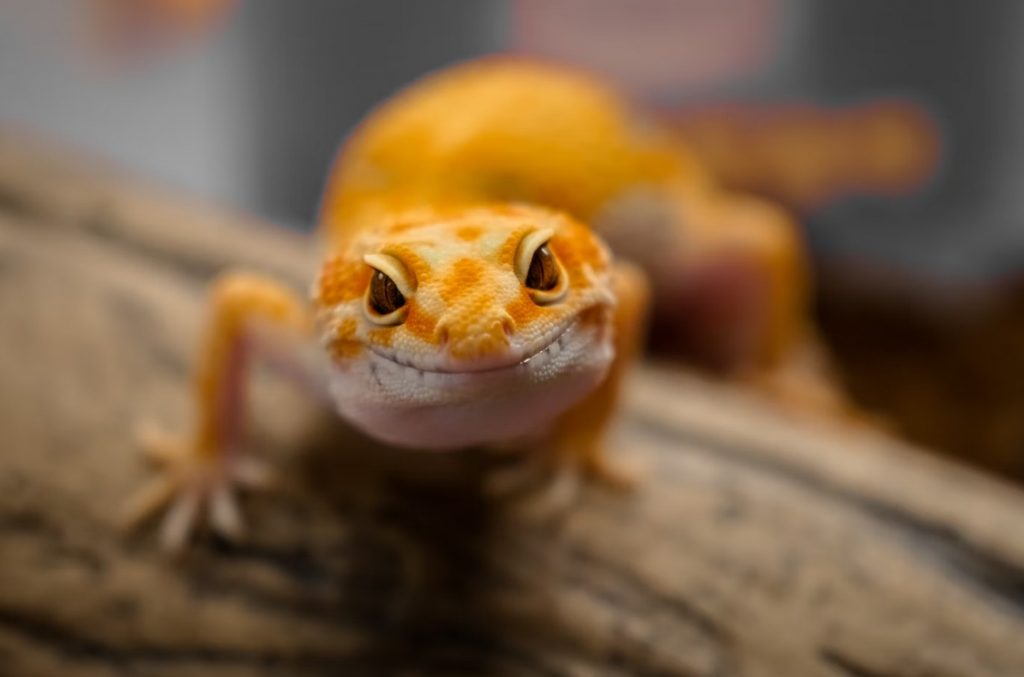
These won’t produce dander and it’s much less likely for you to be allergic to a snake, lizard, or tortoise. And these animals are also the kind to live in their habitats and never have to leave. We will say though that these animals will likely require more space.

Their vivariums can take up a lot of room. They need a good amount to wander around in, and they can be expensive to heat. Reptiles and amphibians are cold-blooded and need heat lamps to keep them warm, so specialist equipment is necessary. But if you can handle that, you can go ahead and get one!

One warning though: in some cases, it might mean feeding them live insects. In the case of snakes, maybe even rodents. This might not be ideal for squeamish people. Plus, there have been instances of people allergic to something like insects.

Fish

This might be as close to an allergy-free pet as you can get. Not only are they in a tank, but they’re surrounded by water. They aren’t the most interactive pet, but there’s something fulfilling about looking after another living thing.

If you haven’t had fish before, we wouldn’t recommend starting with tropical fish. They tend to be more high maintenance and need an experienced hand. But why not start with something simple, like a goldfish, and work your way up? They’re also great for teaching kids about the responsibility of looking after a pet.

And there you have our ideas! As with anything, you still want to exercise caution in case anything does cause an allergic reaction. Especially when it comes to the dander-producing options, such as small mammals and birds. But if you’re sensible and do your research, there’s no reason you can’t have a pet to call your own.

If you ever have any concerns about potential pet allergies, feel free to contact our allergy specialists. You can register with us as a new patient, or call us on 02031 433 449 for a quick chat.

Lockdown pets: Will a new furry friend affect your allergies?

Pet allergy

Lockdown pets: Will a new furry friend affect your allergies?

Life around the world has transformed in the face of a global pandemic, and perhaps the most apparent difference is that we’re all home far more often now. On paper, this seems like the perfect time to finally adopt that pet you’ve been wanting for so long. However, it may not be as simple as it seems. You now have the time to care for an animal, but what if it turns out you’re allergic?

A survey of British pet owners showed that 44% didn’t know they had an allergy until they had already bought their pet home. And 1 in 10 dog or cat owners have an allergy to their pet. So how can you know before you buy a new pet?

What does a pet allergy look like?

Symptoms of a pet allergy often appear similar to hay fever, likely because conditions like hay fever and asthma make you more likely to have a pet allergy. The most common symptoms will be:

  • Runny nose 
  • Itchy or watery eyes
  • Difficulty breathing or wheezing
  • A rash or hives

For many people, these symptoms, while uncomfortable, are not life threatening. Many pet owners continue to live happily alongside their furry companion. But studies also show that having a pet may, over time, make your allergies worse, and so it’s not a risk-free commitment.

What causes a pet allergy?

Allergies to dogs and cats are caused by the dander in their fur, their saliva, and their urine, so even if you buy a hairless cat, you could still suffer. While the best way to avoid experiencing allergies is to not have a pet, this isn’t the ideal choice for some animal lovers.

A common misconception around pet allergies is that some breeds are hypoallergenic and are safe alternatives for those with allergies. Hypoallergenic dogs and cats don’t technically exist, it’s more that some might shed less and cause fewer reactions. and 40% of owners who purchased hypoallergenic pets to tackle allergies reported continuing symptoms. 

Getting a pet is a big commitment – they quickly become part of the family. The last thing you want is to bring this companion into your life, only to have to re-home it because of unexpected allergies. If you still want to get a new pet in lockdown but don’t know if you have allergies, then get in touch with an allergy specialist who can help you make an informed choice.

Before taking on the responsibility of a new pet, contact us at the London Allergy and Immunology Centre and book an allergy test by calling us on 02031 433 449.

The ultimate pet allergy FAQ

The ultimate pet allergy FAQ

The British public loves their pets. Half of UK households have one, be it a dog, cat, or other furry (or not-so-furry) creature. They’re our loyal companions and best friends. But some people are unlucky – they’re allergic to animals.

Whether you’ve lived with a pet allergy for some time or have just discovered one, here’s our quick FAQ that should hopefully answer your burning questions.

What are the symptoms of a pet allergy?

No matter what animal it is, the symptoms are often the same. They can also be very similar to hay fever, so make sure you don’t get your wires crossed.

Symptoms include:

  • Runny or stuffy nose
  • Watery or itchy eyes
  • Skin rash or hives
  • Coughing or shortness of breath

If you only have these symptoms when coming into contact with animals, you might be allergic to them.

So can I get a pet?

If you already have a pet and this is a new allergy to you, don’t worry. You can still peacefully coexist. It just means now you’ll have to be more careful to lower the chances of a reaction. What you need to know is the allergy usually comes from the animal dander – their hair. 

So here are some ways you can reduce the chances of coming into contact with it:

  • Keep animals off your furniture – if you spend a long time there, such as in your bed, make sure your pet doesn’t climb all over it
  • Clean regularly – invest in a vacuum made especially for pet hair and get into a routine of using it
  • Don’t touch your pet too much – keep contact to a minimum and always wash your hands when you’re done

Can I get a pet if I don’t have one?

This is up to you, whether you would rather have a pet and suffer or not bother at all. It’s a tough choice if you’re an animal lover. The upside is you can get hypoallergenic breeds of both dogs and cats. These are breeds that leave less hair lying around.

You could also consider a smaller pet, like a rabbit or a hamster, but again, their fur might trigger a reaction so do your research first. Alternatively, you could go for something different like a reptile or a bird. Allergy sufferers tend to have a better time with these pets but, again, they might bring their own issues.

If you love animals and want a pet, we can’t blame you. Whatever you do, always look after your health. If you need advice, find an allergist near you who can guide you through the process.

At the London Allergy and Immunology Centre, we’re experts on all things allergies. And that includes pet allergies. If you would like to discuss your condition, feel free to get in touch with us on 02031 433 449.

Managing your pet allergies

Pet allergies

Managing your pet allergies

Whether you already had a pet or surprised the kids with one this Christmas, it can be challenging when you suffer from pet allergies. Sometimes you can develop a new allergy out of the blue, and suddenly your family dog sends you sneezing.

But you might not need to banish pets from your home just yet. There are several ways to manage your symptoms while still having a furry friend around.

Causes

Pet allergies are caused by the body reacting to the proteins that are in animal skin cells, saliva, or urine. The allergy itself is triggered by exposure to the dander and fur. Symptoms typically include itchy eyes or an itchy throat, sneezing, and hives. As with other allergies, the best treatment is to avoid exposure to triggers. But if you’re an animal lover, this can be difficult.

Managing your allergy

If you do have a pet or want one, like a cat, you can make your allergy more manageable by regularly cleaning, especially rugs and carpets. Avoid letting your pet into every area of the house, especially the bedroom, bathroom, and kitchen. Washing your pet regularly too can also help to reduce the amount of allergens on fur by 84%. If your allergies flare up too much when doing this, we recommend taking your pet to be cleaned professionally.

With animals like reptiles, you could be allergic to their food, so handle with care. Or, if anyone else is willing, have them feed the pet.

Infections

While there are ways to have a pet and manage your symptoms, it’s critical to be wary and assess the seriousness of your allergy. For some people, overexposure can cause complications such as sinus infections. Nasal passages can become inflamed due to the effect your allergy has on the hollow cavities connected to them. This can cause a bacterial infection to develop, most likely sinusitis. If you have asthma, exposure to your allergies can trigger asthma attacks.

Getting allergy tested is critical. If you think you are suffering from a pet allergy, being tested means you can find out once and for all what is causing you issues. Once you know what is causing your body to react, you can begin your journey to living an allergy-free life.

We can help you to find out what allergies you have and help you to try different treatments and methods to keep you breathing easy. Request an allergy test today or contact us on 02031 433449  to find out how we can help.

Living with a dog allergy

allergic to dogs

Living with a dog allergy

26% of people in the UK own a dog, and with good reason. Dogs aren’t known as ‘man’s best friend’ for nothing. They are one of the most loving, caring, and loyal pets anyone can ask for. Their intelligence allows them to be trained as guide dogs, therapy dogs, guard dogs, police dogs, and so much more. Their presence in society is essential to many people’s lives. Even the ones that just lie on the sofa all day still bring immense joy to their owners.

Are you allergic to dogs?

There’s nothing like walking into your house and being greeted by your furry friend. But for people with a dog allergy, walking into a house with a pooch inside also means being greeted by sneezing, runny noses, itchy eyes, and a rash. An allergy to dogs means missing out on the quality they bring to a dog lover’s life. This can be particularly disheartening to those who grew up with dogs but had an adult-onset allergy.

Can you avoid symptoms?

For those determined to be around pups, regardless of their dog allergy, and whose symptoms are manageable and non-severe, there is good news. Some dogs are less likely to trigger allergies than others, although no dog is completely allergy safe. It is possible to only be allergic to certain breeds or a particular sex, due to the different allergens they produce. For example, some allergenic proteins are produced by the prostate gland. If you are allergic to these specific proteins, it would result in you being allergic to male dogs rather than female.

Causes

Dog allergies are caused by allergic reactions to proteins most commonly found in a dog’s saliva, urine, and dander. This is why most people consider dogs that shed less and have low amounts of dander to be better for people with allergies as it reduces the spread of allergens around your home. You are less likely to breathe allergens in. Low-shed and low-dander breeds include poodles, Basenjis, Yorkshire terriers, Shih Tzus, Afghan hounds, and schnauzers.

What’s the solution?

But, just like with cats, having a dog that sheds less won’t guarantee you are symptom-free. There is still the problem of their saliva and urine, which is sometimes unavoidable. If you are living with dogs, and experience symptoms due to an allergy there are treatments available to minimise your reactions.

Desensitisation can reduce your itching, sneezing, running nose, and watery eyes. Although antihistamines might be effective for some allergies, they come with some side effects like dry mouth, nausea, blurred vision, drowsiness, and dizziness. This makes it difficult to go about your day if you are using them every day.

If you’re looking for a long-term solution to your dog allergy, book an appointment with London Allergy and Immunology Centre today. Our specialist consultants can provide you with the best treatment for you. We’ll create a long-term plan to manage ongoing symptoms, allowing you to live the way you want to.

Copyright 2026. All Rights Reserved

LAIC Main Menu