Latest News and Info

Is your home making you sick? The importance of testing for dust mites and pet allergies

Is your home making you sick? The importance of testing for dust mites and pet allergies

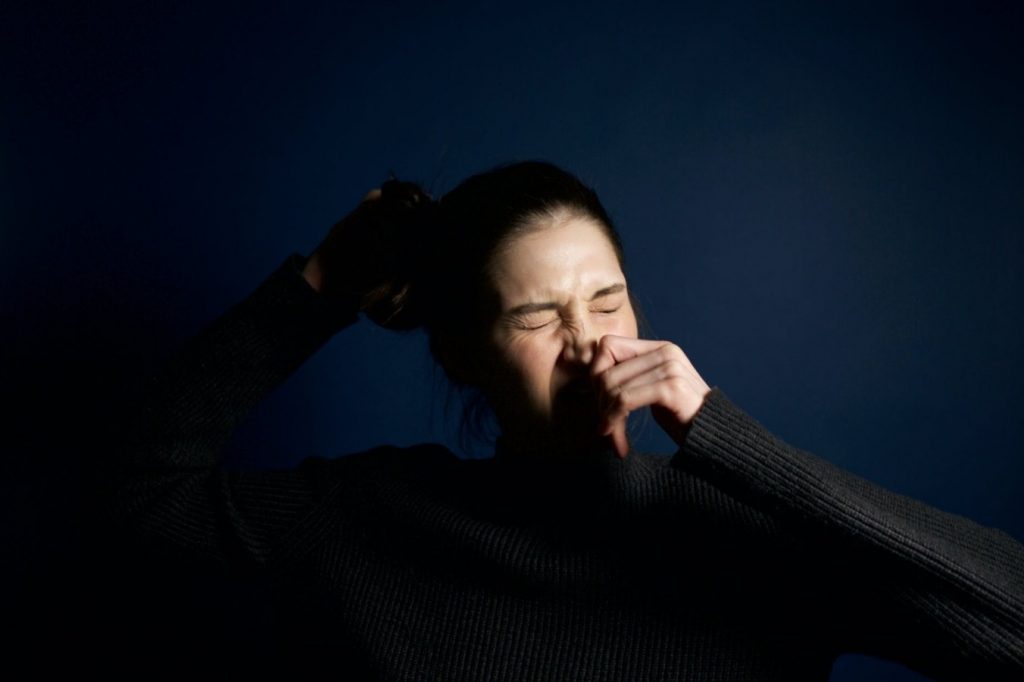
Do you often find yourself sneezing, coughing, or experiencing itchy eyes in your own home? While it might seem like seasonal allergies or a mild cold, the real cause could be closer than you think. Household allergens like dust mites and pet dander are common triggers for these symptoms. Without knowing it, your home may be a hotspot for allergens.

Common household allergens

  1. Dust mites
    Dust mites are tiny creatures that live in bedding, carpets, and furniture. They thrive in warm, humid environments and feed on dead skin cells. These mites are a leading cause of sneezing, coughing, and even asthma. Because they are so small, you won’t be able to see them. Testing for dust mite allergies is important as they are hard to avoid without knowing.
  2. Pet dander
    If you have pets, you may be familiar with the sneezing and itchy eyes that come with pet allergies. Pet dander, tiny flakes of skin shed by animals, can linger in your home for long periods. It sticks to carpets, furniture, and even clothing. Testing for pet dander allergies can help you pinpoint whether your beloved pets are causing your symptoms.
  3. House dust
    House dust is a mix of particles from dust mites, pollen, mould, and more. Because it contains so many different elements, it’s a common allergen. If your symptoms get worse when you’re in dusty areas, house dust could be the cause. Testing for this allergy helps you understand which specific allergens in the dust are affecting you.

Why testing matters

Testing for allergies is crucial because it helps you find the exact cause of your symptoms. Knowing whether dust mites, pet dander, or house dust are responsible allows you to take the right steps. For example, using allergen-proof bedding, regular vacuuming, and keeping pets out of certain rooms can make a huge difference. Without testing, it’s difficult to know what changes will help.

Managing allergies at home

Once you know your triggers, managing your allergies becomes easier. For dust mites, washing bedding regularly, using a dehumidifier, and vacuuming with a HEPA filter can help reduce symptoms. If you have pet allergies, keeping pets off furniture and out of bedrooms is a good first step. Regular grooming and cleaning can also reduce pet dander in your home.

Allergies can be a challenge to your daily life, but with the right diagnosis and management plan, they can be kept under control. Our experts specialise in identifying and treating adult allergies. If you suspect that household allergens are affecting your health, we can help you pinpoint the exact triggers and provide solutions to alleviate your symptoms. Why not register as a new patient or take one of our home allergy tests? Together, we can create a personalized plan to help you enjoy your home without the constant discomfort of allergies.


Everything you need to know about your dust mite allergy

dust mite allergy

Everything you need to know about your dust mite allergy

Our homes are our place of comfort. They’re the one spot that our entire lives revolve around. So it feels like a sort of betrayal when it affects you for the worse. Take dust mites, as an example. There you are trying to sleep peacefully, but their mere presence sets your allergies off in fits of sneezing or coughing.

Yes, it isn’t the dust itself doing that, but the mites that live in your home undiscovered. And, unlike seasonal allergies, these can be a year-round problem. But let’s step back a bit. What even are dust mites? And why are they causing an allergic reaction? Let’s take a look.

What are dust mites?

Dust mites are almost imperceptible insect-like creatures that live in our homes – whether we want them to or not. They love warm, humid environments, which is why they’re drawn to our furniture, especially our beds. Even better for them, they feed on dead human skin cells, so our beds are practically a buffet for them.

Despite being like insects, an allergy to them isn’t the same as an allergy to, say, wasps. They don’t bite, sting, or burrow into our skin. Instead, they defecate, urinate, and die just like any other species. And it’s these droppings and decaying bodies that trigger our allergies. It’s a bit grim and disgusting, we know, but it’s simply a part of life.

These aspects that trigger our allergies are what we come to know as a dust mite allergy, or even simply just a ‘dust’ allergy.

Common symptoms

Anyone who has ever had hay fever will recognise the symptoms. Dust mite allergies tend to affect our respiratory symptoms in much the same way. When you come into contact with dust mites, here’s what you might experience:

  • Sneezing
  • Runny or stuffy nose
  • Itchy, red, or watery eyes
  • Scratchy throat
  • Itchy skin
  • Coughing

This is at the milder end of the reaction spectrum, but there can be more concerning symptoms, such as:

  • Difficulty breathing
  • Tightness around the chest
  • Shortness of breath
  • Coughing and wheezing

How to prevent them

If any of this sounds familiar, or if you know for certain you have a dust mite allergy, you might be wondering what you can do about it. There are some simple changes you can make that should help with your symptoms. Obviously, the ultimate tip is to talk to your doctor before making any drastic changes. But in the meantime, try these…

Up your cleaning schedule – If you let dust mite skin and droppings accumulate, it’s going to make your symptoms worse. By cleaning your bedding at high temperatures more frequently (we recommend weekly), you can get rid of any droppings and kill any lingering dust mites.

Reduce the humidity – As we said earlier, dust mites love warm, humid environments. So if you feel like your symptoms are too frequent, maybe you need to reduce the humidity. You can do this by opening your windows more often or investing in a dehumidifier.

Replace any fabrics you can – Dust mites live in fabric they can really embed in. Think of all the creases in your sofa and curtains. Or the strands of carpet they can hide in. If it’s in your budget, it may be worth replacing these with smoother materials. Think leather sofas and hardwood floors.

But, like we said, talk to your doctor about any allergy concerns. They can find a solution – or even an allergy specialist – who can help you make meaningful changes. Now you know more about dust mites, you should feel more empowered to tackle your allergy once and for all.

If you ever have any questions about your allergies, get in touch. Our team of allergists are always happy to help. Call us on 02031 433 449 or register as a new patient today.

This ‘mite’ be the answer to your dust mite allergy

dust mite allergy

This ‘mite’ be the answer to your dust mite allergy

It’s that time of year: spring cleaning season. An excuse to get rid of the old, especially after the holiday season. So people up and down the country will be donning the marigolds and scrubbing every inch of their home.

Spring cleaning isn’t just good for keeping everything tidy. It’s a great way to get rid of any allergens lying around. Dust that aggravates the senses or maybe even some left over pollen on a high shelf somewhere. But do you know something that’s always overlooked? A dust mite allergy. These near-invisible creatures could be causing allergy issues and you don’t even know it.

What are dust mites?

We’re not the only ones living in our homes. Many bugs like to hide in crevices and between walls. And dust mites are no different. They’re incredibly small – invisible to the human eye. But these small creatures can still play havoc with our allergies.

Dust mites thrive in room temperatures and humid environments. So in our homes, they like to hide in our carpets, furniture, and bedding. Places where we spend most of our time and likely put our head near.

Symptoms of a dust mite allergy

What causes an allergic reaction isn’t just the bugs themselves, but also their droppings. And if they die in low-humid environments, their body can still set us off.

Symptoms you might experience if you’re allergic aren’t too dissimilar to hay fever:

  • Sneezing
  • Runny nose
  • Itchy eyes
  • Itchy skin
  • Coughing

If its a severe reaction, it can also trigger asthma or asthma-like symptoms:

  • Difficulty breathing
  • Tightness around the chest
  • Shortness of breath
  • Coughing and wheezing

What can you do?

This might all sound a bit gross. Because it kind of is. But it’s also a part of life that you can’t really avoid. Though there are steps you can take to alleviate some of the suffering.

Since dust mites thrive in your home when left unattended, the simplest trick is to increase how often you clean. For your bedding, consider washing it weekly at a high temperature. A dehumidifier might also help as it’ll make your home a less inviting place. And if you’re thinking about redecorating any time soon, maybe ditch the carpet. Failing that, vacuum daily.

A dust mite allergy is a difficult one to tackle given how small the creatures are. But with some diligent cleaning and an allergy test to confirm your suspicions, you can take steps to make your life that much more comfortable.

If you’re looking for a specialist to guide you through your allergy woes, get in touch with us. Sign up as a new patient or reach out on 02031 433 449.

Three common autumn allergies and how to fight the symptoms

autumn allergies

Three common autumn allergies and how to fight the symptoms

Autumn is almost here. How time flies! For many, this time of year conjures up cosy feelings of reading a book by the fire or wading through a blanket of fallen golden leaves. 

But for others, the season can bring on a stuffy nose, teary eyes, and an out-of-sorts feeling. So what are the common autumn allergies and how can you combat them?

Weed pollen

When people think of hay fever, they usually think of the summer. While summer hay fever is incredibly common, different types of pollen release at different times of the year. Between the end of June and September, weed releases its pollen, causing hay-fever symptoms even in autumn. 

To fight a weed pollen allergy, it can help to wear a scarf, mask, or bandana over your mouth and nose to prevent pollen from irritating your nose. And it might be worth talking to your GP about taking antihistamines before the symptoms set in.

Mould

Mould is more common in the colder months as we have more damp weather, making it easier for moisture to build up. And since most mould spores are invisible to the naked eye, it’s easy for them to thrive in the home. 

Since moisture is such an important factor in mould growth, reducing the humidity in your home can help. You can use dehumidifiers and open the bathroom window to prevent steam. It’s also a good idea to rake up any leaves and debris in the garden to prevent it from growing.

Dust mites

Did you know humans aren’t actually allergic to dust mites? It’s the proteins in their droppings that sets us off. And like mould spores, moisture affects the number of dust mites in the home.

Since moisture is such an important factor, opening windows to reduce humidity can help. You can also use a microfiber cloth to clean dust. This way, the particles stick to cloth instead of dispersing into the air, which can aggravate your symptoms.

Allergies can cause a lot of disruption to your daily life. But with some preparation and forethought, you can reduce your symptoms and create a more comfortable living environment.

Are allergies getting you down? Don’t wait around. Get in touch with us at the London Allergy and Immunology Centre, or call us on 02031 433 449.

Four common questions about dust mite allergies

dust mite allergies

Four common questions about dust mite allergies

Did you know it’s not actually the dust mites that get our noses all stuffy and our eyes all teary? It’s actually their droppings. Dust mites are inescapable and one of the most common causes of allergies, but that doesn’t make the symptoms less irritating.

Here are the answers to four of the most common questions about dust mite allergies, along with some tips to control your symptoms.

What is a dust mite allergy?

As mentioned, we aren’t actually allergic to dust mites, rather their droppings. When we inhale the proteins in the droppings or they touch the skin, our body produces histamine, giving you those irritating allergy symptoms. 

Symptoms of a dust mite allergy include a blocked or runny nose, sneezing, coughing, itching, wheezing, and loss of smell. Those with asthma might find dust mites aggravate their condition.

How can I control my symptoms?

Dust mites live in everyone’s home and are impossible to escape completely. But you can try to relieve your symptoms by making your house harder for them to live in. It’s suggested that little things like keeping the humidity low, regularly washing sheets, and dusting surfaces with a damp cloth can help relieve symptoms

A doctor may prescribe antihistamines to help control your symptoms. In worse cases, they may prescribe you corticosteroids, in the form of a nasal spray, to reduce inflammation. While a dust mite allergy rarely causes reactions as severe as anaphylaxis, the symptoms are still unpleasant and can leave you feeling out of control.

Is there a certain time of year that makes symptoms worse?

Unfortunately, symptoms of dust mite allergies last all year round, but allergen levels are at their peak between May and October, the peak breeding season for dust mites. But since we like to crank up the heat in the colder months, all the allergen-containing dust can come out from behind our radiators and from inside heaters and really aggravate symptoms.

A dust mite allergy can be frustrating, but is rarely deadly. To be certain your symptoms are that of a dust mite allergy, you should book yourself in for an allergy test. An allergist can get you results, put your mind at ease, and advise you on treatment and minimising your symptoms.

Our team of professionals at Allergy Clinic London are here to help if you need an allergy test or just some expert advice on how to handle your allergies. Get in touch now on 02031 433 449.

Summer bug allergies

Summer is here, and so are the bugs that come with it. Are you unknowingly suffering from allergies?

Summer bug allergies

There are no two ways about it, summer is here. The glorious back-to-back days of pure sunshine we’ve been enjoying have allowed us to ditch our warm jumpers for something light and airy, and let our skin get a bit of sun. Unfortunately, your poor skin is left exposed as a treat for an array of creepy crawlies to bite and snack on; leaving you prone to summer bug allergies. Many will only leave you with a nasty bite or bump but, for the unlucky few, a small bump isn’t the only repercussion. Knowing the cause of your reaction can be the key to ensuring your summer isn’t ruined.

Mosquitoes

Summer is here, and so are the bugs that come with it. Are you unknowingly suffering from allergies?

It’s likely that you’ve had a mosquito bite at some point in your life. When it comes to summer bug allergies, mosquito bites are of the most common. The obvious telltale sign of a bite is a red hard bump, with a small amount of swelling followed by an itchy feeling. While feeding on your blood a mosquito inserts saliva into your skin which most humans are allergic to. This then causes our immune system to jump into action causing the bump and itch. Albeit, for some people with severe allergies, the symptoms can be more consequential.

Those who are allergic to mosquito bites may experience symptoms such as lesions or even an anaphylactic reaction, the latter being rare.

Bees and wasps

Summer is here, and so are the bugs that come with it. Are you unknowingly suffering from allergies?

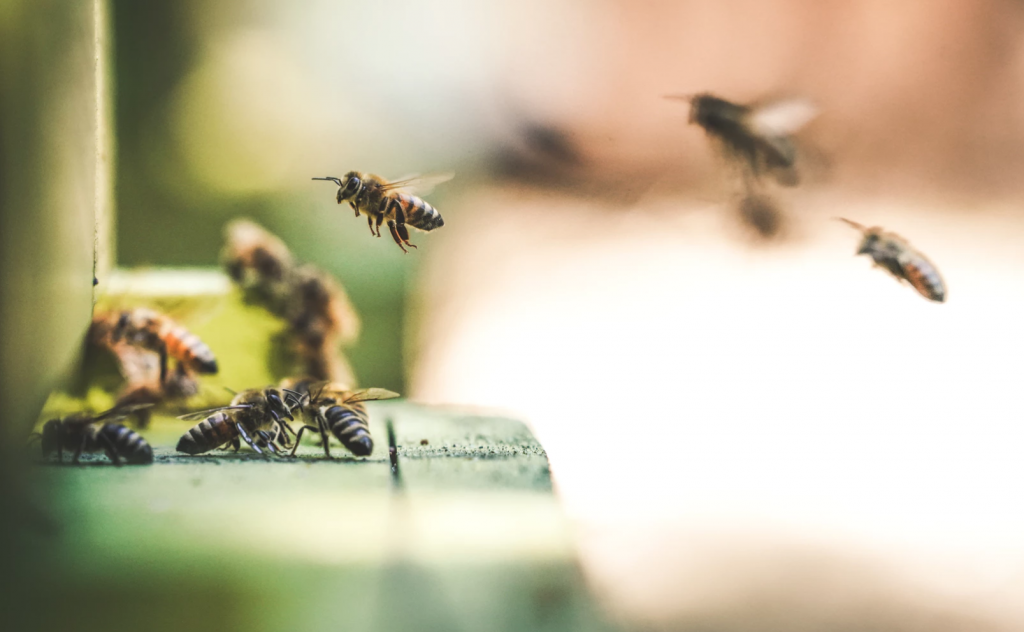
During the summer months, bugs within the Hymenopterans order are extremely popular. This includes yellow hornets and bees. A majority of these bugs are social and rarely attack people, attacking only when they feel threatened. Trying to avoid disturbing them could be a useful tactic in not getting stung by one. However, if you do unfortunately get stung you may go on to find out that you are allergic and not only left with a small bump.

Around only 3% of the nation’s population are allergic to bee venom with just a few of these having a severe anaphylactic reaction. The symptoms of an allergy to a bee or wasp sting can vary and include:

Dust Mites

Summer is here, and so are the bugs that come with it. Are you unknowingly suffering from allergies?

They might not come to mind when thinking of summer bug allergies but actually, dust mite reactions are rife in the summer months. Typically due to the humid conditions giving them the perfect environment to thrive. Despite being microscopic bugs, these creatures can create waste amounting to over 200 times their own weight. With thousands of these doing so it can mount up quickly. Humans often breathe their waste in, and it is usually a completely harmless substance to most of us. However, others suffer various reactions to it. Recognisable dust mite allergy symptoms may include, but are not limited to:

  • Runny or itchy nose
  • Itchy skin
  • Sinus pressure (may cause facial pain)
  • Itchy, watery, or red eyes
  • Scratchy throat or coughing

Dust mites are often found in mattresses, bedding, and upholstered furniture. They are too small to be seen by the naked eye. So it may not be the easiest of jobs to avoid them. Discovering dust mites are the specific cause of your allergy can be the first step in reducing or preventing your future symptoms.

At London Allergy and Immunology Centre, we offer a wide range of modern treatments to help you deal with your allergies. To discover the cause of your symptoms and take the first steps towards alleviating your allergies, book an appointment with one of our consultants today.

Spring cleaning to stop dust mites

Dust mite allergies

Spring cleaning to stop dust mites

It’s March which means spring is upon us. Hooray! But let’s not get overexcited. The snowy weather here in the UK says anything other than “spring”. But while the weather catches up with the calendar, you may have found that the dirt in your house has caught up to your allergies. It’s time for a spring clean. For people with house dust mite allergies, deep cleaning your home can be both a solution and trigger for your symptoms. But, there are ways to minimise the risk of an allergic reaction during cleaning, and in the long run.

Mighty mites

Allergic reactions to house dust mites are different from other bugs, and are caused by hypersensitivity to proteins in the excretions of dust mites. These reactions manifest as rhinitis, asthma, eczema, or atopic dermatitis. For those with dust mite allergies, it’s important to take steps to reduce exposure to the critters in the home.

Research estimates that dust mite allergens trigger 50% of asthma sufferers and there are 65 to 130 million people worldwide who are sensitive to house dust mites. This is an estimate. Many people who are sensitive to house dust mites might not even know. The mites are microscopic. So, even if your house looks clean, there are often micro-habitats within the home allowing them to prevail.

Although eliminating house dust mites from your home is near impossible, a deep, thorough spring clean could reduce their numbers, allowing you to be free from allergy symptoms. Dust mites love warm, slightly humid areas. They feed off the dead skin cells we shed throughout our homes. This means our bedding and mattresses are dust mite heaven, as they provide these perfect conditions. During your spring clean you should wash all your bedding, sheets, blankets, throws and curtains at temperatures above 55°C to kill the mites and reduce allergens.

Other steps to take

It is better to have hard floors if you have dust mite allergies. Hard floors do not provide a hospitable environment for house dust mites like carpets do. If you do have carpet in your home, using a hoover with a HEPA filter stops the dispersion of dust into the air and around your home unlike with regular vacuums. If you want to wash your carpet, it’s good to use steam-cleaning. One Scottish study showed an 87% drop in the concentration of dust mites per gram of dust after carpets were steam cleaned.

When removing dust, use a damp cloth. Removing dust in your home will reduce your exposure to allergens but dry dusting will spread the allergens into the air. This leaves you at risk of an allergic reaction. To further minimise this risk, wear an allergy mask during cleaning. This will stop any allergens in the air getting into your lungs and causing a reaction.

Sometimes, even these spring cleaning methods are not enough to rid you of your dust mite allergy symptoms. You may need to take further action. Desensitisation immunotherapy to house dust mite allergens is one possible solution to improve your quality of life. Find out more about the treatments available for your dust mite allergies by booking an appointment with one of our specialist consultants today.

Copyright 2026. All Rights Reserved

LAIC Main Menu