Latest News and Info

6 items that surprisingly aren’t gluten-free

6 items that surprisingly aren’t gluten-free

So you’ve recently discovered you either suffer from coeliac disease or a gluten allergy and now you’re adjusting to a gluten-free life. 

That’s easy, right? If gluten is a protein found in wheat, barley, and rye, then by avoiding those grains, you’re all good. 

Yes and no. If you really were sticking to a clean diet and lifestyle where you made your own products and cooked everything from scratch with complete visibility of where all your food and product ingredients come from, then yes, navigating coeliac disease or a gluten allergy really can be that simple. 

However, the reality is that for most people, it is less organic than we’d like it to be. Sometimes, it’s easier to grab a store-bought sauce or pop out for dinner as a treat, and most of us buy our bathroom products from a shop. 

While the apparent gluten culprits, such as bread and pasta, are easy to cut out, some unexpected sources of gluten might catch you off guard.

One of the more interesting triggers we found is that gluten isn’t only in food products anymore. We gathered some of the top items with hidden gluten for you to keep an eye out for. 

1 – Make-up

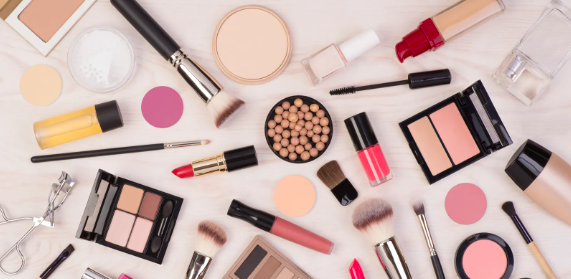
We were most surprised by make-up being at risk of containing gluten. 

Namely, you’ll find these in:

  • Lip products
  • Foundation and face powder; and
  • Hair care 

Lipsticks, lip balms, and lip glosses may contain ingredients derived from wheat or other gluten-containing grains. These products can be inadvertently ingested when applied to the lips. Conversely, some foundations and face powders may include gluten-containing binders or additives. These products can come in contact with the skin and, in some cases, cause skin reactions. There’s been an increase in wheat products being used in shampoos, conditioners, and hair styling products. While hair care is unlikely to be consumed (we hope not), if you have sensitive skin, contact with the scalp can be problematic.

2- Supplements

Health supplements are another sneaky mask of gluten. While our stance is to try to get your vitamins directly from the food source, it can be more complex. Some nutritional supplements, including vitamins and minerals, use gluten as a filler or binder in their formulations. Some herbal alternatives specifically contain forms of gluten. Look out for wheatgrass or barley grass. Protein powder typically contains gluten-based additives or flavourings.

3- Sauces and dressings 

Salads are often considered a safe haven for those avoiding gluten, but the dressings can be a hidden culprit. Many commercial salad dressings use wheat-based thickeners or malt vinegar, both of which contain gluten—soy sauce – a staple in many Asian dishes – is traditionally made with wheat. 

4- Processed meats

When you’re avoiding grains, you wouldn’t expect meat to cause an issue. However, certain processed meats, such as sausages, hot dogs, and deli meats, may contain gluten as fillers or binders. Be cautious with pre-marinated meats as well, as the marinades may contain gluten-based ingredients. In extreme cases of gluten intolerance, consider the diet of the meat you’re consuming. Cheaper meat is more likely to be on a heavily grain-fed diet. 

5 -Imitation seafood

Fish isn’t where you’d expect to find gluten, but artificial variants are likely to contain it. Some imitation seafood products, such as crab sticks or artificial crab, contain gluten as a binding agent. 

6 – Chips and roast potatoes

While potatoes themselves are naturally gluten-free, the preparation process of chips and roast potatoes can introduce gluten. Some restaurants coat their chips and potatoes with flour or use a shared fryer for both gluten-containing and gluten-free items. 

Managing your adverse reaction to gluten

While not everyone with a gluten allergy or coeliac disease will experience adverse reactions to gluten-containing cosmetics or supplements, you need to be aware of these potential sources of gluten exposure. Manufacturers are becoming increasingly attentive to gluten-free labelling in the cosmetics and supplements industry.

Maintaining a gluten-free lifestyle requires a vigilant approach, as gluten can hide in unexpected places. By carefully reading labels and choosing whole, unprocessed foods, you can enjoy a diverse and flavorful diet without the worry of gluten surprises. Being aware of these less obvious sources of gluten empowers you to make informed choices and embrace a gluten-free lifestyle with confidence.

If you’re unsure if you are allergic to gluten

If you’re eating these foods with unfavourable consequences, there is a chance what you’re experiencing is an undiagnosed gluten intolerance or coeliac disease. Underdiagnosis of coeliac disease is a significant problem, and it is estimated around half a million people in the UK are currently undiagnosed. Sometimes, the worry of a lifestyle overhaul can stop you from getting tested. Don’t let it. 

If you’re yet to diagnose an issue with gluten but you can relate to the experiences we describe in our blog, why not take a test and find out for yourself today? Register as a new patient today, and let’s start the process of helping you feel better. You have the option to visit our London-based allergy clinic for a comprehensive evaluation by our specialists or take advantage of our home allergy test.

 

Coeliac disease vs. gluten allergy

Coeliac disease vs. gluten allergy


For many, the idea of a warm, crusty bread or a bowl of pasta is a source of comfort. However, for others, these ‘innocent’ indulgences can trigger a cascade of uncomfortable symptoms. The culprit? Gluten

Understanding the differences between the two is crucial for proper diagnosis and management.

Coeliac disease

Coeliac disease is an autoimmune disorder triggered by eating gluten. The immune system mistakenly attacks the small intestine, leading to inflammation and damage to the internal lining. This damage impairs the absorption of nutrients, potentially causing long-term complications. 

Typically, symptoms of coeliac disease include:

  • Digestive discomfort 
  • Headaches
  • Skin issues
  • Depression and low energy
  • Unexplained weight loss
  • Foul-smelling stools

Self-diagnosis can be troublesome as one or more of these symptoms can show at any time. It’s essential to pay attention and notice when these symptoms are reoccurring, especially around eating gluten. 

Gluten allergy

A gluten allergy, also known as non-coeliac gluten sensitivity, shows up similarly to coeliac disease. The difference is that the body isn’t attacking itself. Regardless,  it still feels rough to experience. Typical symptoms include:

  • Diarrhoea
  • Tummy pain
  • Fatigue
  • Bloating
  • Low mood and depression

Both coeliac disease and gluten allergies are significant problems in the UK. Many people suffer in silence. Currently, roughly half a million people in the UK are undiagnosed. 

This is concerning as both conditions can lead to severe consequences. If your body is attacking itself, it can stop causing malabsorption of vital nutrients, leading to unexplained weight loss and a constant state of tiredness. Skin problems can lead to infection. Take dermatitis herpetiformis, for example. This is an itchy, persistent rash that can lead to blistering lesions. Conversely, putting up with constant digestive discomfort and living through a continuous cycle of bloating, tummy aches, and diarrhoea isn’t a “normal” state of being. 

Why does this matter to me?

If you’re experiencing persistent digestive discomfort, unexplained weight loss, fatigue, or the symptoms we’ve listed today after eating gluten, it’s time to explore why. Detection with an allergy test and proper management can lead to a more comfortable future. Don’t let gluten-related issues compromise your well-being. Take the first step toward a healthier, more comfortable life today.

The prospect of a gluten allergy or coeliac disease can feel daunting. It doesn’t have to be that way. Don’t delay to take the path to better health. Register as a new patient today, and let’s get to the bottom of what’s causing you discomfort. Visit our clinic in London or take a home test. Our specialists will develop a personalised action plan tailored to your specific needs, making the transition to a gluten-free life more manageable for you. 


Three allergens to look out for this Veganuary

Veganuary

Three allergens to look out for this Veganuary

The new year’s here and we all have our resolutions at the ready. From diet to exercise, January is the month where we’re motivated and ready to make changes in our lives. It’s why many will be participating in Veganuary – adopting a vegan diet for January – in a bid to stay healthy and maybe help the environment too.

But while a vegan diet definitely has its benefits, you may have to be careful eating food you don’t usually eat. Some might cause an allergic reaction in a minority of people. Here are three of the most popular allergens found in vegan food.

Soybean

This is a particularly popular ingredient in vegan and vegetarian dishes. Soybean is used to make tofu, soy milk, and tempeh, amongst many other products. Soya-based products are often used as a substitute for meat and increases the protein in a dish.

Symptoms can be mild, including the likes of hives or itching. But it can also be severe, causing anaphylaxis, so it needs to be taken seriously.

Nuts

From nut roasts at Christmas to almond milk in your tea, nuts are found in a lot of vegan products thanks to the various ways we can enjoy them.

If you’re someone who has a nut allergy, you’re probably no stranger to intently reading labels to ensure the contents are safe for you to eat, but with the popularity of nuts in vegan and vegetarian food, this is something you’ll have to keep up through Veganuary.

Gluten

Quick to make, full of vitamins, and very filling, cereals seem like a great addition to your diet. That is, unless you have coeliac disease or a sensitivity to gluten.

A sensitivity to gluten isn’t the same as an allergy, but can still cause unpleasant symptoms such as bloating, stomach ache, and tiredness. It’s estimated that 1 in 100 people worldwide have coeliac disease and that many are undiagnosed. So if you feel these symptoms on your new diet, this could be the cause.

If you’re participating in Veganuary this year, it may be wise to get an allergy test. That way, you can know for certain if you’re allergic to something and put your mind at ease.

If you’d like to book a test, or get some expert advice on your allergies before starting a new diet, call us today on 02031 433 449.

Why aren’t there more child-friendly free-from food products?

free-from food

Why aren’t there more child-friendly free-from food products?

Every parent wants the best for their children. And when their child has a food allergy, it’s just one more thing for them to stay on top of. It’s a familiar story up and down the country. Around 7% of children have food allergies – so roughly 1 in 14. So why isn’t there more allergy-free food catered towards them?

That’s something Jess Harris, founder of dairy-free children’s brand Little Bandits, has talked about. While there are plenty of products for people with gluten and dairy allergies and intolerances, very few are aimed at children.

A gap in the market

Speaking with Food Navigator, Jess Harris talked about her frustration at the lack of choice. It’s this gap that pushed her to make something herself. She specifically pointed out the lack of healthy free-from products for kids.

Talking about her son Jonah, Jess spoke about how she found it hard to find “food he loved to eat that was also healthy and great tasting”. Catering to a food allergy already means you have to readjust your child’s diet so they don’t miss out on nutrients. But beyond that, Jess didn’t want Jonah to miss out on “fun, convenient treat”. So she set out to make her own.

Now, her coconut-based yoghurts can be found at 157 Asda stores across the UK. As well as appealing to those with dairy difficulties, they are great for people on a plant-based diet or parents who want treats with less sugar in them.

It’s clear there’s demand for more like this. While talking with Asda, Jess learnt that her product was something they had wanted for a while. She plans on taking it even further, with more products in the Little Bandits line. Her goal is to have a range of food perfect for the school lunch box – things kids love to eat.

Why isn’t there more?

To see just how lacking the choice was, we took to Asda’s website to see what they had on offer. They have a well-stocked selection of free-from food, but we were looking for anything that caters specifically to children. And, as Jess alluded to, we found there wasn’t much choice.

In dairy-free food, we found 8 options amongst the 59 items. Though these came from just two distinct brands, with different flavours of their products. In gluten-free food, we found even less choice. There were only 7 options in a list of 428 items – many of which were cereal you could argue are more popular with children.

The vast majority of the products are aimed at adults, with very few bright colours and appealing graphics. Hopefully, Jess’s push to create more child-friendly free-from products will lead to more being created. Like we said at the beginning, parents want what’s best for their children. And healthy food that respects their allergies might just be top of that list.

If you ever have any worries about your child’s allergies, get in touch with one of our allergy specialists. We can advise you on the best course of action to help keep your child healthy. To find out more, visit our website or get in touch on 02031 433 449.

Copyright 2026. All Rights Reserved

LAIC Main Menu