Autumn allergies: three triggers that might affect you
26th October 2022
Autumn allergies: three triggers that might affect you
Autumn is a beautiful time of year. The weather starts to cool (which I’m sure we’ll all appreciate this year), the hues of orange and red come out, and we’re only a stone’s throw from Christmas. There’s a lot to love about this season. Unless you have allergies. Then it might not be such a walk in the park.
Much like summer has many hay fever sufferers, well, suffering, autumn is a bad time of year for many. They might have similar blocked noses and itchy eyes. Certain autumnal favourites cause them distress. Or the prospect of trick or treating might make them worry about their child’s allergies.
Let’s take a look at some autumn allergies and what they mean for some people.
Seasonal allergies
Hay fever might be seen as a summery allergy, but it affects different people at different times. This is because it depends on what kind of pollen you’re allergic to. Those who suffer from hay fever in summer are likely sensitive to grass pollen, while those who get it in spring can blame it on trees.
For people with autumn allergies, you can blame it on weeds. Ragweed is the biggest culprit, and its pollen can travel for hundreds of miles on the wind, making it hard to avoid. To make it worse, 75% of people allergic to spring plants will also react to ragweed.
You might find it hard to avoid it in your food, too. Pollen food syndrome is when you react to certain pollen-bearing fruit, and it shares many of the same symptoms as hay fever. Fruits affected by weed pollen can include banana, melon, and watermelon. So it might be worth avoiding them.
Pumpkins
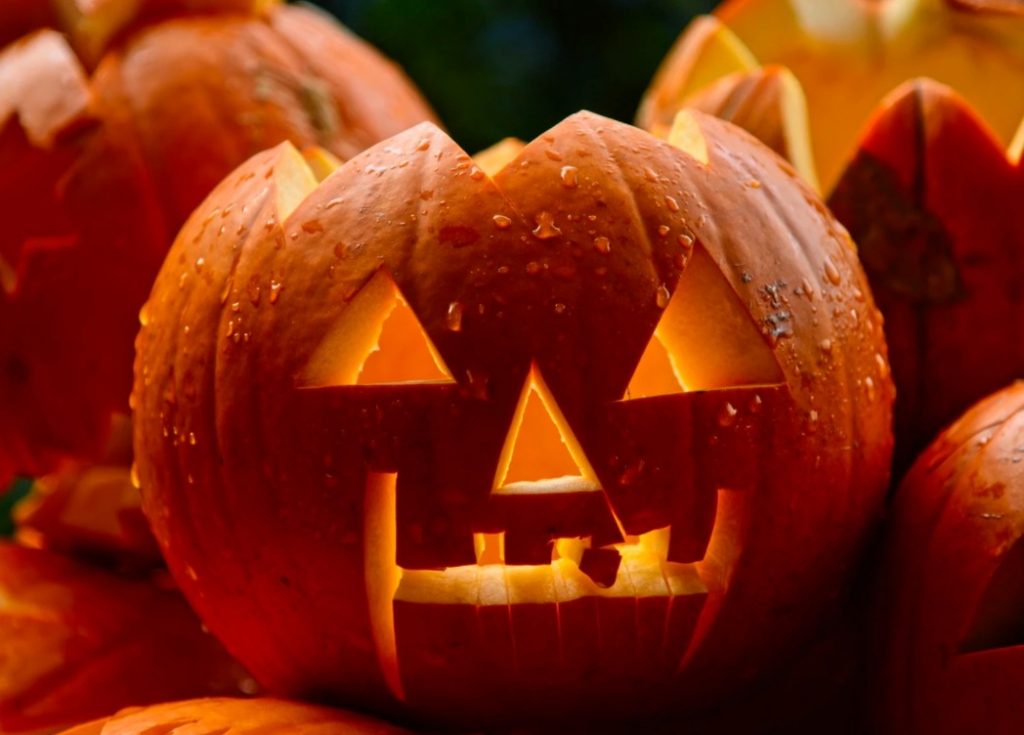
Pumpkin spice latte has become the unofficial drink of the season. But can you be allergic to it? Like many things, yes you can, but it’s incredibly rare. There are only a handful of documented cases, mostly in children. And their reaction was what you’d expect from a food allergy.
So on the very slight chance you or someone you know is allergic, here are the symptoms to look out for. If it touches your skin, there might be a rash. Any contact with your face may cause eye itching and lip swelling. And ingestion can lead to difficulty breathing and anaphylaxis. If you experience any of these after coming into contact with pumpkin, talk to your doctor.
Halloween
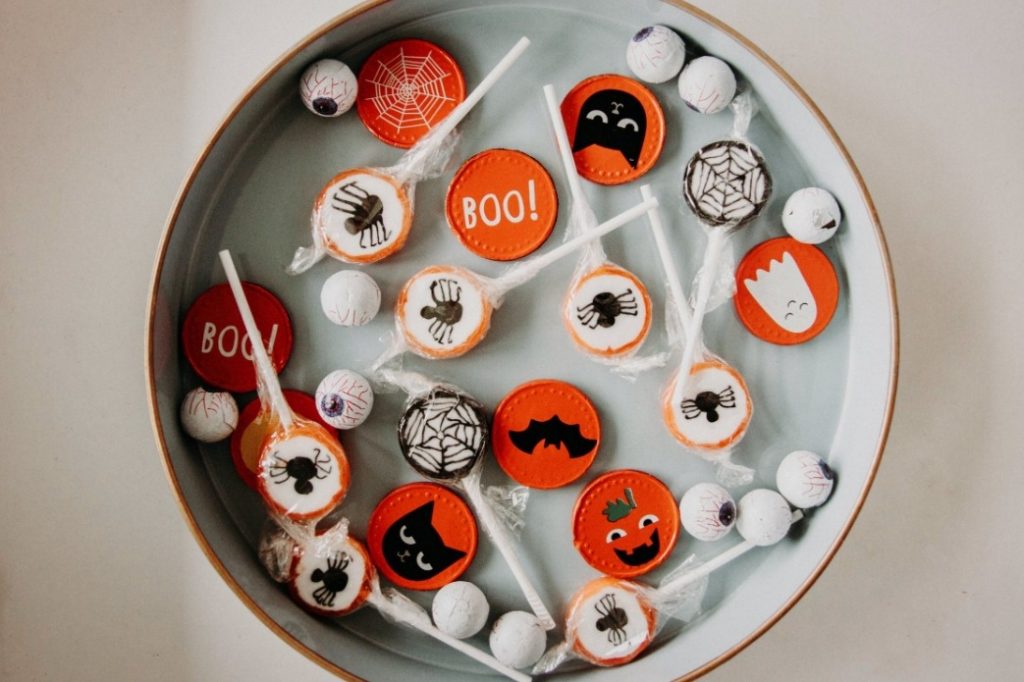
This spooky time of year is a favourite with children who can’t wait to go trick or treating. But any parent of a child with a food allergy likely knows the anxiety that comes with it. You can’t control what people give your child, and you can’t vet their sweets as you walk. So what can you do?
This is the time for due diligence. And you might have to be the bad guy. You’ll need to assess every sweet they get to ensure it doesn’t set off their allergies. Here’s our big tip: for every piece you have to remove, replace it with something they’ll love. Either an approved snack they like or a toy. That way, they’re not losing out.
Autumn allergies can really ruin the mood of the season. But it doesn’t have to be such a huge strain on your life. By staying aware of what might affect you, you can avoid any unnecessary symptoms. And if your allergies really start to get to you, always talk to your doctor or an allergy specialist about the next steps.
We’ve always got an open ear. If you ever feel you need to discuss your allergies, or if you need some advice, reach out to our team. A specialist is always happy to help. Just call us on 02031 433 449 or register as a new patient here.