Latest News and Info

Lentil allergy

Lentil Allergy: Clinical Relevance of Len c 1 and Len c 3
Lentil allergy
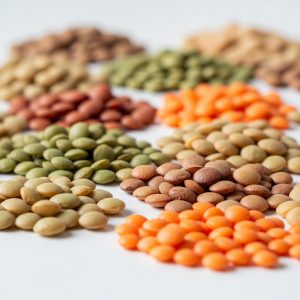
Lentil allergy is an important food allergy concern due to its prevalence in diets across Mediterranean, Middle Eastern, Asian, and North American regions. Key lentil allergens, Len c 1 (7/8S globulin) and Len c 3 (nsLTP), are implicated in IgE-mediated hypersensitivity reactions ranging from mild oral allergy syndrome to severe anaphylaxis. Their identification is critical for accurate diagnosis and management of legume allergies.

Overview of Lentil Allergens

Lentils (Lens culinaris) contain two major protein allergens:

  • Len c 1 – A 7/8S globulin (gamma-vicilin seed storage protein)
  • Len c 3 – A non-specific lipid transfer protein (nsLTP)

Biochemical Properties

Len c 1 is the major vicilin-type allergen in lentils, commonly linked to legume-induced allergic responses. Len c 3 is a potent nsLTP, structurally stable and capable of provoking systemic reactions in sensitised individuals. Understanding these properties aids in predicting severity and cross-reactivity.

Exposure and Geographic Prevalence

Allergic reactions primarily occur via ingestion, though inhalational exposure during cooking has been reported. High prevalence areas include:

  • Southern Europe (Spain, Italy)
  • Middle East
  • South Asia
  • North America

Cross-Reactivity with Other Legumes

Len c 1 shares IgE-binding epitopes with other vicilin allergens:

  • Ara h 1 (peanut)
  • Pis s 1 (pea)
  • Cic a 1 (chickpea)

Len c 3 cross-reacts with Pru p 3 (peach nsLTP), relevant in LTP syndrome prevalent in southern Europe. These cross-reactivities explain overlapping allergic responses among legumes and certain fruits.

Thermal Stability and Allergenicity

  • Some IgE-binding proteins are heat-labile and lose allergenicity when cooked
  • Len c 1 and Len c 3 remain heat-stable and can provoke reactions even after boiling

Diagnostic Value of Component-Resolved Testing (CRD)

Recombinant Len c 1 and Len c 3 allow for component-resolved diagnostics:

  • Higher sensitivity in detecting lentil allergy
  • Improved risk stratification
  • Differentiation between true allergy and cross-reactive sensitisation

This molecular approach is particularly useful in cases involving multiple legumes.

Conclusion

Len c 1 and Len c 3 are central to lentil allergy diagnosis and management. Their structural stability and cross-reactive potential make them key targets in personalised allergy testing and risk assessment. Accurate identification improves clinical decision-making and patient outcomes.

References

  1. Vieths S, et al. Component-resolved diagnostics for legume allergy. Allergy. 2023.
  2. Garcia-Blanco A, et al. Thermal stability of legume vicilin allergens. Clin Exp Allergy. 2024.
  3. Sénéchal H, et al. Cross-reactivity among edible legumes: molecular insights. Mol Immunol. 2023.

Individual allergy test for Lentil (whole allergen) is available at www.FoodAllergyTest.co.uk

6 Countries to be mindful of when travelling with a peanut allergy

6 Countries to be mindful of when travelling with a peanut allergy
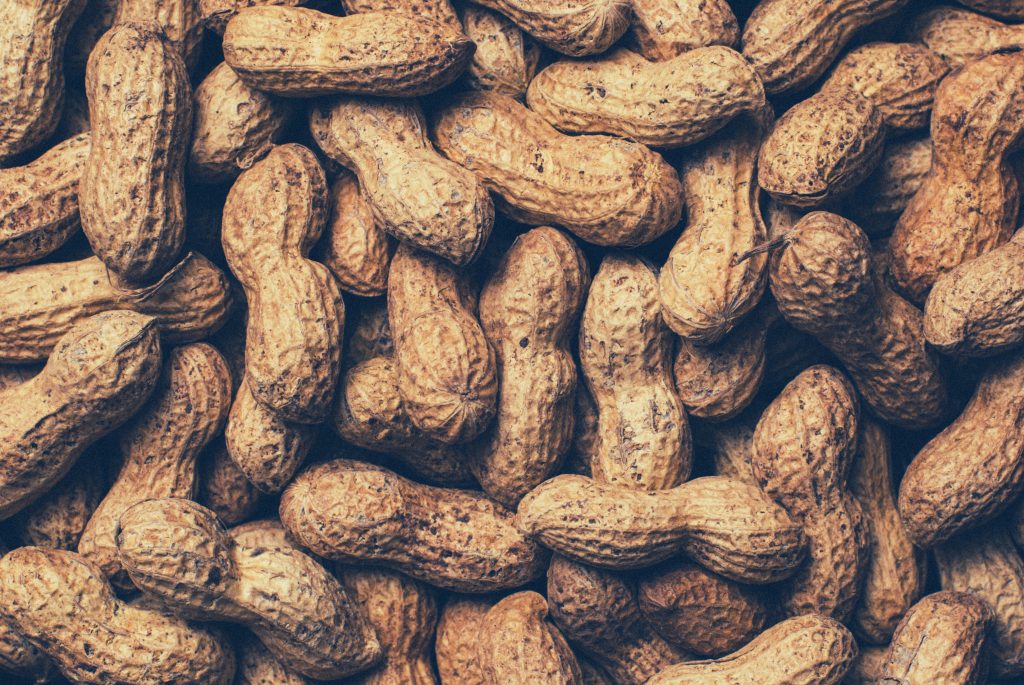
Travelling the world can be exciting, but for those who suspect peanut allergies, it can also bring about a heightened sense of caution. Different countries have varying levels of awareness and accommodation for peanut allergies, and it’s crucial to know which destinations require extra vigilance. If you suspect you have a peanut allergy, understanding the risks in certain countries can help you plan a safer and more enjoyable trip.

Thailand

Thailand is known for its delicious and diverse cuisine, but peanuts are a staple ingredient in many dishes, including the famous Pad Thai (ผัดไทย) and numerous street foods. Cross-contamination in food preparation is common, making it challenging to avoid peanuts entirely.

  • Common dishes with peanuts:
    • Pad Thai (ผัดไทย)
    • Satay (สะเต๊ะ)
  • Translation for “no peanuts”: ไม่มีถั่วลิสง (mai mii thua lisong)

China

Chinese cuisine often includes peanuts and peanut oil, particularly in dishes like Kung Pao Chicken (宫保鸡丁) and various stir-fries. Language barriers can also pose a challenge when communicating allergy needs.

  • Common dishes with peanuts:
    • Kung Pao Chicken (宫保鸡丁)
    • Noodles (花生面)
  • Translation for “no peanuts”: 不要花生 (bú yào huā shēng)

India

Indian food frequently uses peanuts and groundnut oil, especially in snacks and street food. Given the prevalence of peanuts in many regional dishes, it’s essential to exercise caution and communicate your allergy clearly.

  • Common dishes with peanuts:
    • Bhel Puri (भेल पुरी)
    • Chutney (शेंगदाणा चटणी)
  • Translation for “no peanuts: मूंगफली नहीं (moongphali nahin)

Indonesia

Indonesian cuisine, particularly in Bali and Java, uses peanuts in a variety of dishes like Satay (Sate) and Gado-Gado. Even if peanuts aren’t listed as an ingredient, cross-contamination can occur in shared cooking spaces.

  • Common dishes with peanuts:
    • Satay (Sate)
    • Gado-Gado
  • Translation for “no peanuts”: Tanpa kacang tanah

Nigeria

In Nigeria, peanuts (or groundnuts) are a common ingredient in many traditional dishes, such as Groundnut Soup. Street vendors and local restaurants may not always be aware of the severity of peanut allergies, so it’s crucial to be vigilant.

  • Common dishes with peanuts:
    • Groundnut Soup
    • Kilishi (spiced dried meat with peanuts)
  • Translation for “no peanuts”: Ba tare da gyada (Hausa)

Mexico

While Mexican cuisine is known for its rich flavours and variety, peanuts can be found in dishes like Mole Sauce and some street foods. Ensuring that food is peanut-free can be challenging, particularly in local markets.

  • Common dishes with peanuts:
    • Mole Sauce
    • Cacahuates (peanuts in various snacks)
  • Translation for “no peanuts”: Sin cacahuates

Tips for safe travel with a peanut allergy

If you’re not sure whether you have a peanut allergy, the best thing to do is to first take an allergy test to be sure. If you discover you do have a peanut allergy, you’re not alone. Approximately 1-2% of the global population is estimated to have a peanut allergy, affecting millions of people worldwide.

A peanut allergy shouldn’t mean you can’t travel. Here are our safe travel tips:

  • Research before you go: Research the typical ingredients used in your destination’s cuisine and identify potential risks.
  • Learn key phrases: In countries where English is not widely spoken, learn key phrases to communicate your peanut allergy. We’ve given you a head start above. 
  • Carry allergy cards: Use allergy translation cards to explain your condition to restaurant staff and food vendors.
  • Pack safe snacks: Bring a supply of safe, non-perishable snacks in case you have trouble finding suitable food options.
  • Stay in accommodations with kitchens: To avoid cross-contamination, consider staying in places where you can prepare your own meals. This isn’t always ideal for holidays, but for longer-term travel, it can bring you peace of mind.

Take control of your peanut allergy

If you suspect you have a peanut allergy, it’s crucial to confirm it before travelling. Knowing your allergy status can help you take necessary precautions and avoid severe reactions. Our peanut allergy testing kit offers a simple, accurate, and convenient way to determine if peanuts are affecting your health.

Understanding peanut allergies can feel overwhelming, but you don’t have to go through it alone. Travel plans don’t need to be grounded to keep you safe. Why not register as a new patient or take one of our home allergy tests? Begin your path to a peanut-free life today. 


There may finally be a drug to treat peanut allergies

Peanut allergies

There may finally be a drug to treat peanut allergies

Scientists are always working hard to come up with new ways to combat the growing problem of allergies. While we’re uncertain about what causes certain allergies, we’re still making advancements in treatments and potential cures. The latest breakthrough is a new drug for people with peanut allergies

Don’t get too excited just yet. It’s currently with the Food and Drug Administration (FDA) in America. They’re a regulatory body similar to the European Agency for the Evaluation of Medicinal Products (EMA). It’s their job to make sure any new advances are safe for public use. But if it makes it through that stage, it could be life-changing for those with peanut allergies. 

The first treatment of its kind

The drug, Palforzia, was developed by a California startup company called Aimmune Therapeutics. The drug is for oral use, as part of oral immunotherapy. This method involves ingesting small doses of the allergen, gradually increased over the months, to desensitise the immune system and reduce the overreaction to the allergen. 

If the drug is effective, patients could become able to withstand coming into contact with small amounts of peanuts. They won’t be eating them by the handful anytime soon, but it could at least prevent an anaphylactic shock. If it’s approved, the drug will be the first approved treatment for food allergies in the US. But what about the UK?

Palforzia in Europe

The UK and US have different rules for food and drug legislation. It could be a long while before we approve this drug – or a similar one – in the UK. However, many allergists are raising the question of how new this treatment really is. 

Immunotherapy is not a new concept. Many allergists have been treating food allergies with similar methods, using peanut flour or other products from retail vendors, without the high costs often associated with big pharmaceutical companies. 

Either way, the treatment is still not a cure; it has side effects, and does not work for everyone. But when it does, the therapy can be life-changing, acting as a relief to the anxiety and stress that comes with having a life-threatening food allergy. 

The UK will have to wait for now. Immunotherapy is still an option on the table, at least. Before you consider your options, it’s worth speaking to an allergy specialist to make sure you’re doing the best thing for you. 

The consultants at the London Allergy and Immunology Centre are experts in their field, using the most effective treatment methods like immunotherapy to help rid you of symptoms and live an easier life. If you’re looking for relief, don’t hesitate to book an appointment with us.

Where does a peanut allergy come from?

Peanut allergy

Where does a peanut allergy come from?

Everybody knows that one label checker. The one friend or family member that has to check the menu ahead of eating out or rummages through the packets at a dinner party. Not because they are fussy; far from it. They are just, unfortunately, one of the almost two million people in the UK have been reported as allergy sufferers. The effects they suffer from can vary from minor things such as itchiness around the mouth and rashes to symptoms much more life-threatening, such as anaphylaxis.

But one allergy that seems more common than most people in the UK is the one to peanuts. Shockingly, 1 in 55 children suffer from the allergy; which makes them and parents alike constantly on high alert when it comes to what they can and can’t eat.

One of the bigger questions is, ‘where does the allergy even come from?’

Nut what you think

Firstly, it’s worth clearing up that just because you or your child may suffer from interaction with peanuts does not necessarily mean other types of nuts such as almonds, cashews, or walnuts will affect the allergy too. It’s a little-known fact that, unlike these tree nuts, peanuts are actually a part of the legumes family, a type of plant that grows underground.

Peanuts are surprisingly in such a vast amount of cuisines that it’s hard to keep up. Here are just some of the main products that peanuts can be an ingredient in:

  • African, Asian (especially Chinese, Indian, Indonesian, Thai, and Vietnamese), and Mexican restaurant food
  • Alternative nut butter, such as soy nut butter, or sunflower seed butter
  • Sweets and chocolate
  • Sauces such as gravy and salad dressings
  • Pet food

It’s no wonder allergy sufferers have to be incredibly careful. But with the number of allergy cases increasing, various studies are now being put into place as to how to prevent the nut allergy from developing: is it even possible to put a stop to such an allergy?

The research

Researchers at LEAP (Learning Early About Peanut allergy) have conducted a series of tests in an attempt to work out exactly that. They want to uncover whether or not it is possible to create a sensitisation to the allergy from a younger age.

They held a clinical trial in which they formed two groups of patients who were not allergic to peanuts based on the tests and history. One group were told to make their children avoid peanuts for a whole year, while another group were told to put it into the diets of their children in at least six meals a week. The results concluded that “regular peanut consumption began in early infancy and continued until age 5 reduced the rate of peanut allergy in at-risk infants by 80% compared to non-peanut-consumers”.

In conclusion, the results show that by including the troublesome legume into a non-allergic child’s diet from a very young age holds a strong possibility that they can build up a tolerance to the nut and they avoid developing the allergy altogether; giving parents one less thing to worry about when it comes to their child’s health.

If you need any help or advice relating to allergies, please book an appointment with our consultants on our website. Finding out if you or your child have a peanut allergy could save a life.

Copyright 2026. All Rights Reserved

LAIC Main Menu