Is an end to dog allergies in sight?
26th January 2022
Is an end to dog allergies in sight?
For any animal lover, a dog allergy is as bad as it can get. Missing out on cuddling up to a furry friend isn’t a prospect many like the sound of. But for some people, it’s their reality. As many as 3 in 10 people could have an allergy to dogs (and cats). And it’s common in people who already have allergic asthma or hay fever.
But researchers in Japan might have laid the groundwork for an answer to people’s dog allergy woes. One preliminary study shows positive signs for creating a dog allergy vaccine. While we’ll stress it’s very early days, it could be promising. Let’s look at what they’ve been up to.
The research
Towards the end of 2021, researchers published their early findings in the Federation of European Biochemical Societies journal. Now, before we dive into it, it’s worth mentioning that there are actually seven types of dog allergens – the molecules that cause an allergic reaction. So finding one single “cure” isn’t simple.
But one particular allergen – “Can f 1” – causes the majority of allergic reactions to dogs. Meaning figuring out an answer to this one could help a lot of people. The problem is that not much is known about its structure. Specifically, its ‘epitopes’ – the part that is recognised by our immune system and leads to an allergic reaction.
So the research so far has involved a process called “X-ray crystallography”. This has been used to shed some light on the structure of Can f 1 and, hopefully, narrow down where this epitope is on it.
The results
Through the X-ray crystallography, the researchers found some similarities to other dog allergens. But the key is in the differences they found in the electrical charges. This could lead them to some good candidates for the epitope.
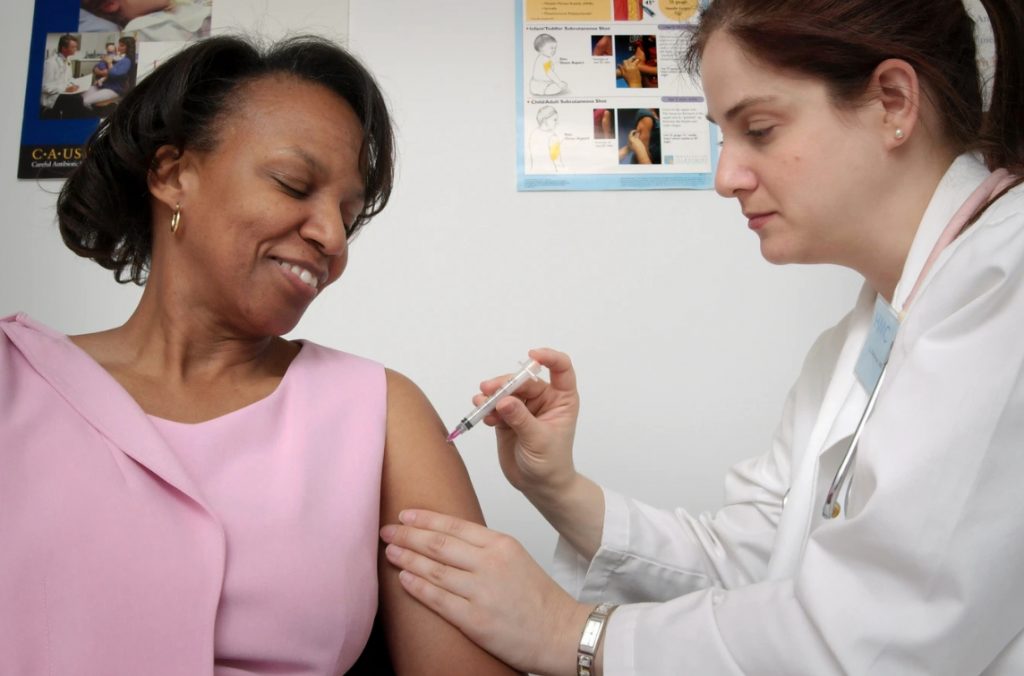
What’s next? Further research is needed to narrow the candidates down, but it’s still a big step forward. The ultimate goal is to create a vaccine that introduces small amounts of the allergen into the system – no different from any other vaccine.
Talking about the work, Takashi Inui – a specialist in allergy research and lead author on the study – had this to say: “We want to be able to present small doses of these epitopes to the immune system to train it to deal with them, similar to the principle behind any vaccine. But we can’t do this without first identifying the Can f 1’s IgE epitope.”
In reality, what they find could mean a lot for many allergies, not just dog allergies. But that’s well in the future. For now, we’ll have to learn to live with our allergies and continue to look after our health. One day, though, we might be able to truly live in peace.
You can’t wait for an allergy vaccine, so don’t leave yours untreated. Our allergy specialists can help you cope with any sensitivities you may have and give you the best advice to stay safe. Register as a new patient here or call us on 02031 433 449.