Latest News and Info

What you need to know about weed pollen season

weed pollen

What you need to know about weed pollen season

Summer is often the time most associated with hay fever. In fact, we’ve covered the topic before. Extensively. But did you know that pollen season can start in early spring and go all the way through to late autumn – if not longer?

This is because there are three different “pollen” timeframes. You have tree pollen season in spring, grass pollen in summer, and weed pollen in autumn. A person may be allergic to just one or a mix of all three. So it means that, for some people, the annoyance of hay fever won’t be over for a while yet.

To help, we want to talk more about weed pollen, its symptoms, and which weeds are the biggest culprits. Let’s dive in!

When and what is weed pollen season?

It’s difficult to pinpoint exactly when weed pollen season starts. It largely depends on the weather and issues like climate change are shifting the window. But, typically, it can start as early as June and runs through to September. This is usually the season where weeds release their pollen as part of their reproductive process.

You’re more likely to feel the effects of your hay fever on warmer, drier days as there’s nothing in the air to get in the way of the pollen particles, so to speak. Wetter weather tends to suppress it, but the increase in rainfall might nourish weeds enough to release more pollen.

Symptoms of weed pollen allergy

The symptoms are pretty standard fare for hay fever. You’re going to experience the usual mix of a runny or blocked nose, watery eyes, scratchy throat, and potentially even difficulty breathing.

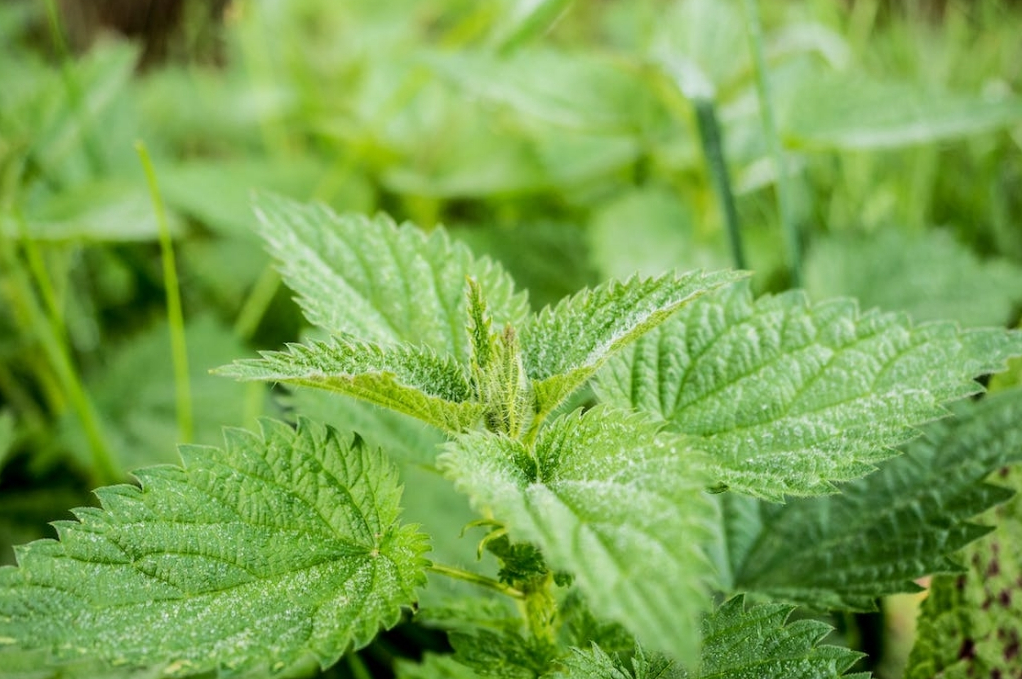
It’s important not to confuse an allergic reaction to a normal reaction to coming into contact with a weed. Nettles are the prime example. Brushing past one tends to bring you out in a bumpy rash, but this isn’t because of an allergy. They have small hairs on their leaves which leave irritants on your skin, causing the breakout. Hogweed does something similar.

What weeds to look out for

If you want to reduce your symptoms, it’s a good idea to get rid of any weeds in close proximity. Say, those in your garden. But what should you look out for? There are plenty of varieties, but here are some common examples:

  • Nettles
  • Ragweed
  • Hogweed
  • Mugwort
  • Dock plants
  • Plantain weeds

It’s unfortunate that weeds are so abundant as it makes avoiding its pollen a challenge. But if you take the necessary precautions and make sure you have any medication you need, you can reduce the toll it takes on you. Talk to your GP about the right treatment for you – or better yet, find an allergist to give you tailored advice.

Our team of allergy specialists know how difficult living with hay fever can be. Get in touch to talk to us about how you can live a happier and healthier life. Call us on 02031 433 449 or register as a new patient today.

When is allergy season? And why is it lasting longer?

allergy season

When is allergy season? And why is it lasting longer?

For anyone with a pollen allergy, certain times of the year can be a bit uncomfortable. These seasonal allergies crop up annually and are a miserable time of runny noses, watery eyes, and scratchy throats. If you have one, such as hay fever, you know how much of a pain they can be.

But did you know there are actually a few different seasonal allergies? People are typically only allergic to a certain type of pollen – most typically grass – but tree and weed pollen allergies exist too and can cause just as much trouble.

So when can you expect these allergies to appear? And why do they seem to be happening earlier and lasting longer?

Different types of pollen allergy

As we mentioned, there are three common pollen allergies:

  • Tree pollen
  • Grass pollen
  • Weed pollen

In the UK, tree pollen is often the first, turning up around March and lasting until mid-May. Then you’re likely to see grass pollen last from here until July. At which point weed pollen kicks in until September.

This isn’t a guarantee as it will depend on where you are geographically. For example, colder or more urban environments might see less grass pollen because, well, there’s less grass. And it’s normal for people by the coast to have fewer symptoms for the same reason.

So your allergies will only start up in the appropriate season. If you notice hay-fever-like symptoms in September, it could well be a weed pollen allergy.

Climate change

But some people are noticing their symptoms start earlier and last longer. And it has been theorised that this is due to climate change. It makes sense; changing weather patterns will affect when plants distribute their pollen.

Trees tend to disperse their pollen in spring because the weather gets warmer and they can start to blossom. But if climate change is leading to milder winters around February time, then it stands to reason that they’ll release their pollen sooner.

This has the same impact at the tail end of the pollen seasons. If it stays warmer well into the autumn months, weed still has the perfect environment to release theirs. Some even think that pollen could be present for practically the entire year.

That’s before getting into invasive species. If the UK gets warmer, it could be a good place for foreign plants, like ragweed, to take hold. They can disperse a billion grains of pollen per season and cause strong reactions.

Thankfully, pollen allergies can be treated with over-the-counter antihistamines. But you should always follow the advice of your doctor. Don’t take medication you aren’t sure you need. Talk to them first to find out more. Even better, talk to an allergy specialist who can test you for potential allergies, such as hay fever.

Our team of allergists has the knowledge and expertise to help you with any allergy woes. Register as a new patient or reach out to us on 02031 433 449.

Three common autumn allergies and how to fight the symptoms

autumn allergies

Three common autumn allergies and how to fight the symptoms

Autumn is almost here. How time flies! For many, this time of year conjures up cosy feelings of reading a book by the fire or wading through a blanket of fallen golden leaves. 

But for others, the season can bring on a stuffy nose, teary eyes, and an out-of-sorts feeling. So what are the common autumn allergies and how can you combat them?

Weed pollen

When people think of hay fever, they usually think of the summer. While summer hay fever is incredibly common, different types of pollen release at different times of the year. Between the end of June and September, weed releases its pollen, causing hay-fever symptoms even in autumn. 

To fight a weed pollen allergy, it can help to wear a scarf, mask, or bandana over your mouth and nose to prevent pollen from irritating your nose. And it might be worth talking to your GP about taking antihistamines before the symptoms set in.

Mould

Mould is more common in the colder months as we have more damp weather, making it easier for moisture to build up. And since most mould spores are invisible to the naked eye, it’s easy for them to thrive in the home. 

Since moisture is such an important factor in mould growth, reducing the humidity in your home can help. You can use dehumidifiers and open the bathroom window to prevent steam. It’s also a good idea to rake up any leaves and debris in the garden to prevent it from growing.

Dust mites

Did you know humans aren’t actually allergic to dust mites? It’s the proteins in their droppings that sets us off. And like mould spores, moisture affects the number of dust mites in the home.

Since moisture is such an important factor, opening windows to reduce humidity can help. You can also use a microfiber cloth to clean dust. This way, the particles stick to cloth instead of dispersing into the air, which can aggravate your symptoms.

Allergies can cause a lot of disruption to your daily life. But with some preparation and forethought, you can reduce your symptoms and create a more comfortable living environment.

Are allergies getting you down? Don’t wait around. Get in touch with us at the London Allergy and Immunology Centre, or call us on 02031 433 449.

Copyright 2026. All Rights Reserved

LAIC Main Menu