
What you need to know about soy allergies
Posted: 21st September 2022 | Posted by Costa
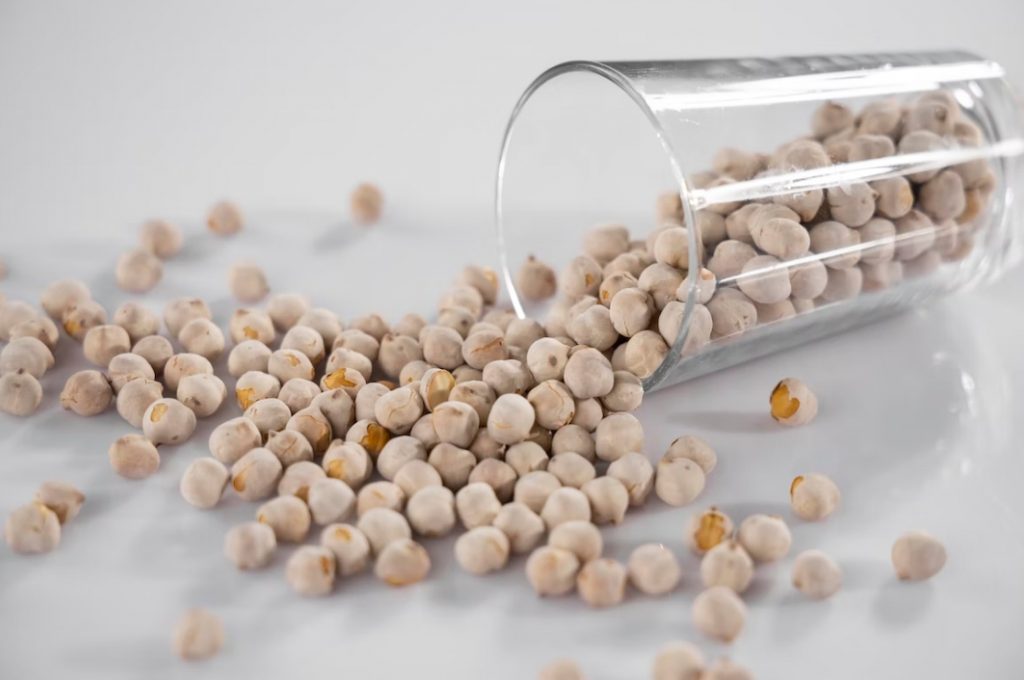
What you need to know about soy allergies
Soy is one of those ingredients you don’t realise is as popular as it is. But take a look in your food cupboard and you might be surprised. Obviously, you have something like soy sauce. Then you also have lots of Asian cuisine that uses it, soy milk is an incredibly popular choice for those with lactose intolerance, and plenty of meat alternatives use it too.
It’s also one of the most common allergens out there. In fact, it’s part of what some call the “Big Eight” – eight ingredients that account for 90% of all food allergies. So considering how likely you are to come across it, what do you need to know about soy allergies?
Symptoms of soy allergies
As a reaction to soy is a food allergy, you’re going to see a lot of the same symptoms. At the milder end of the scale, this might include:
- Hives
- Stomach cramps
- Swelling around the tongue and/or lips
- Vomiting
- Diarrhoea
But, as with many other food allergies, reactions can also be quite severe and – in the worst cases – life-threatening. Symptoms to look out for in this case are:
- Difficulty breathing
- Closing throat
- Dizziness
- Anaphylaxis
With that last one, you’ll also notice a weak pulse as an anaphylactic shock causes a person’s blood pressure to drop dangerously low. If this ever occurs, seek medical attention immediately.
What to avoid
We mentioned a few foods earlier that you need to avoid, but the list can grow quite long. Here are some of the most common places you’ll find it:
- Soy sauce, milk, oil, and other such products with “soy” in the name
- Edamame
- Miso
- Tofu and other meat alternatives
This is particularly risky for vegetarians and vegans, as soy is often used in foods made for this market. Though we stress it’s important to check ingredients no matter the food. Soy can be in various canned goods, biscuits, meat, sauces, and even soaps. So it pays to be vigilant.
How to treat
If you suspect you have a soy allergy, it’s better to be safe than sorry and avoid anything with soy in it. At least until you can get a proper confirmation. If there’s a risk of anaphylaxis, you may have to start carrying an EpiPen with you to treat the reaction.
Soy allergies are prevalent in children, but some evidence suggests that roughly 50% of them will outgrow it by age 7. And 70% will by age 10. If you have the condition as an adult, the chances of it disappearing might be low. The ultimate way to treat a soy allergy? Get tested. An allergy test will clarify the issue quickly.
It’s important to work with an allergy specialist, as they will be best equipped at tackling your condition. They will be able to carry out the appropriate tests and give you the advice you need to live a happier and healthier life.
Don’t let your allergies bring you down. Our allergists work day in, day out with people just like you, and help them manage their allergies better. To find out more, you can always call us on 02031 433 449. Or you can register as a new patient here.