
It’s all fun-gus and games: mould allergy Q&A
Posted: 6th November 2019 | Posted by Costa
It’s all fun-gus and games: mould allergy Q&A
Mould is a name given to a selection of different fungi. Think the furry green patterns that develop on food. It’s found in all sorts of environments, both outside and inside your home. Mould spreads by releasing little spores that travel through the air. If you have a mould allergy, your immune system overreacts when you breathe in these spores, leading to allergic symptoms.
There are over 100,000 varieties of mould in existence, meaning avoiding it isn’t easy. From damp leaves to black spots decorating your bathtub, mould is everywhere. Luckily, being allergic to one variety of mould doesn’t mean you’re vulnerable to them all.
What does a mould allergy look like?
A reaction to mould looks a lot like hay fever. Expect sneezing, itching, a runny nose, congestion, and some more sneezing for good measure. Symptoms may get worse in certain seasons. For example, allergies to outdoor mould will be more common in damper environments. Or they can be year-round, as is often the case with indoor allergies.
Spores that reach the lungs can also trigger asthma-like symptoms. For people who are both asthmatic and allergic to mould, asthma can get significantly worse after a reaction.
What about mouldy food?
You know the frustration of not eating your loaf of bread quick enough? One day you’re enjoying a BLT and the next, you come downstairs to find the loaf’s been infiltrated by green spots. This is a type of mould you might be allergic to.
If you want to avoid mould allergens, don’t smell foods to check whether they’ve gone off. You’ll be inhaling the spores that trigger reactions.
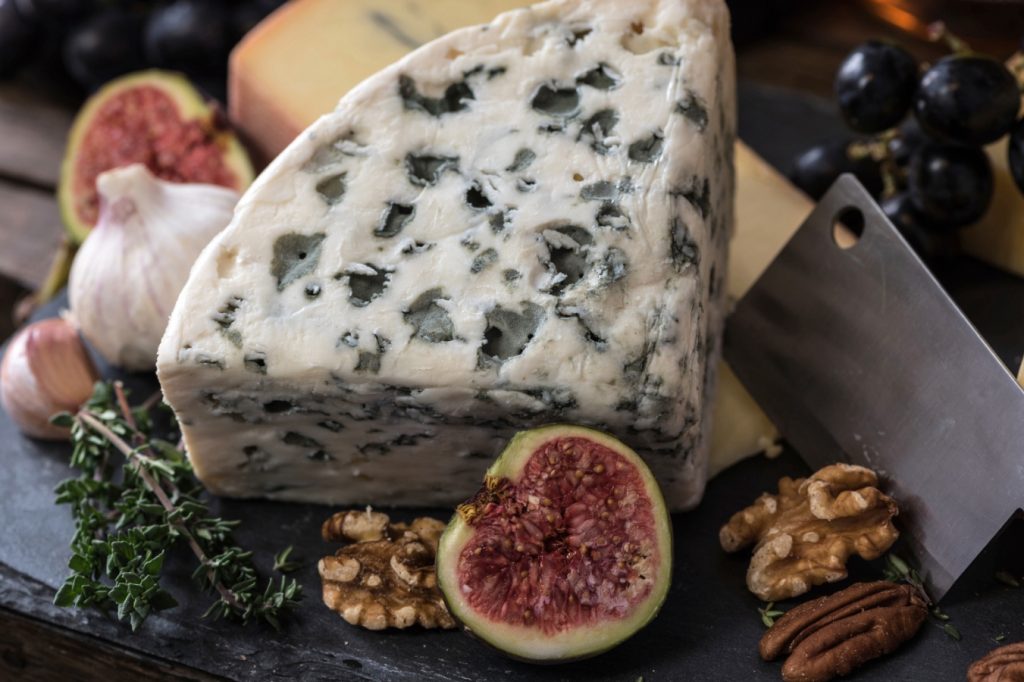
Unfortunately, mould allergies mean you should also probably lay off cheeses, especially mouldy ones. Blue cheeses like Stilton are made with a mould culture called penicillium.
Penicillin or penicillium?
Penicillium is one of the most common varieties of mould allergy. It’s most associated with building materials, fabrics, and spoiled food.
Fear not! Although the antibiotic penicillin was developed from penicillium, being allergic to this type of mould doesn’t mean you’re allergic to penicillin.
Are there any house hacks to avoid reaction?
To prevent mould from infiltrating your personal space, you can lower your house’s humidity. You ideally want humidity to be below 35% as anything over 50% will help fungi to thrive.
Try to increase airflow wherever possible; especially when using the shower or bath as these are the damp conditions that mould loves.
For some, mould will trigger an allergic reaction. If you think you’ve got hay fever in December, it might actually be because there was a bit too much Stilton on your Christmas cheese board! Like with any allergy, keep an eye on your symptoms and seek help if they persist or worsen over time.
If you have questions about mould or any other allergies, give us a call on 02031 433 499. We can book you an allergy test to get to the root of the problem.