Latest News and Info

How you can stop your allergies getting in the way of your exercise routine

Allergies and exercise

How you can stop your allergies getting in the way of your exercise routine

Exercise: we all have our own complicated relationship with it. Some of us love it – 58% of people exercise at least once a week. While others can’t stand the idea, which is why 64% of people say they don’t look after their health as much as they know they should. But this is changing; over the period between 2011 and 2019, gym membership numbers increased from 4.5 million to 7 million.

All of this to say that when it comes to the UK public and working out, there are challenges. To add to that, some people struggle even more because of their allergies. Especially at this time of year when seasonal allergies can disrupt something that doesn’t usually present problems. So how can you ensure your allergies don’t get in the way of your exercise routine?

Change up your exercise

If your allergies are getting in the way of your workout, you can always try switching it up. There are a couple of ways this could happen.

One is to change up where you exercise. If, for example, you’re finding the pollen in the air is causing symptoms or the summer heat is triggering your asthma, you might consider moving indoors. Either your home or a gym would suffice.

Alternatively, you could try a different exercise. Running outdoors might be affecting you because of the reasons above, so you can try swimming instead. Time is another factor. Pollen is usually released early in the day, allowing it to spread across the late morning and evening. So try an earlier exercise – or later in the evening works too, once the pollen has settled.

Change your clothes

For seasonal allergy sufferers, you might think the symptoms aren’t enough of a nuisance to change your routine. That’s fair enough. But get into the habit of changing (and washing) your clothes as soon as you return. Pollen can stick to your clothes, meaning you risk bringing it into your home and aggravating your hay fever constantly. There’ll be no reprieve.

Similarly, you might consider washing yourself as soon as you get back. Jump in the shower quickly when you return and focus on your hair. That’s something pollen can cling on to. Plus, a post-workout shower always feels good, right? It’s two birds with one stone!

Think about your medication

Depending on your allergy, you may have a prescribed or over-the-counter medication to combat it. People with seasonal allergies can buy antihistamines at any good supermarket, for example. The important point here is to use it as recommended. If it’s a prescribed medication, follow your doctor’s advice.

For antihistamines, they’re best used as a preventative measure. Meaning they aren’t as effective if you take them once your symptoms start. You’ll have a much better time if you get in the habit of taking them at the same time every day while allergy season is ongoing. The only caveat to this is do consult your GP first. They might have advice that’s better suited to your unique needs.

In fact, that’s ultimately our last piece of advice. If you have any concerns or questions about your allergies, your best bet is to ask a professional. Be it your GP or an allergy specialist. They will be able to guide you through your ideal steps for dealing with your particular allergy. And how you can exercise in peace without it bothering you too much.

If you want any allergy advice, our team of allergy specialists is always happy to help. Reach out to us on 02031 433 449 or register as a new patient.


Everything you need to know about your latex allergy

latex allergy

Everything you need to know about your latex allergy

Sometimes, allergies come from the strangest, most unexpected places. We’re all likely familiar with the most common ones. There are some who are allergic to certain foods. Others react to the pollen in the air. You might even have an allergy like that yourself. Those ones we’ve definitely heard of.

But what about something like a latex allergy? The idea of putting on some rubber gloves and breaking out in hives might seem bizarre, but it can certainly happen. According to some estimates, around 4% of people can have the condition. That might not sound like much, but that’s 1 in every 25 people. So what is a latex allergy, what are its symptoms, and what can you do about it?

What is a latex allergy?

When you react to latex, it is your reaction to certain proteins found in natural rubber latex. This will come from a rubber tree typically. As with any allergy, your body is responding to something it sees as a threat, even though it isn’t. Note that there are synthetic forms of latex, but people don’t tend to react to this. So we’re focusing on the natural variety.

Believe it or not, latex is very prevalent in our lives. Many common objects will be made out of latex. If it’s made from rubber, for example, the chances are it will have latex in it. Some of the products you might come across include:

  • Rubber gloves
  • Medical gloves
  • Balloons
  • Condoms
  • Erasers
  • Rubber bands
  • Elastic (used in clothing)
  • Adhesive plasters

Symptoms of a latex allergy

So how do you know if you’re having a bad reaction to latex? There are some symptoms that are likely to show up, and they will be familiar to anyone dealing with contact dermatitis. These include:

  • Itching
  • Rashes
  • Hives
  • Redness on the skin
  • Swelling

You may notice that these happen around the area where the latex has touched. So if you blow up a balloon, you may notice your lips start to swell. If you have intercourse with a condom, you may find it uncomfortable around those regions.

At its worst, a latex allergy can even cause anaphylaxis. This is a significant reaction that can cause breathing problems, loss of consciousness, and even death. You should always take an allergy like this seriously.

How to live with a latex allergy

The most obvious piece of advice – but one we’ll give all the same – is avoid latex where you can. Even if you only suspect an allergy for now. It’s not such a critical part of life that it can’t be put to the side, even temporarily.

As latex is common in medical gloves, this might be an issue for any doctor or dentist visits. Make sure to let them know ahead of time that this will be an issue. Give them a good 24 hour warning as a courtesy, though they should have a plan in place for situations like this anyway.

And as soon as you can, get yourself tested for the condition if you haven’t already. You don’t want a severe allergic reaction to catch you off guard. Once you know for sure that you have a latex allergy, you can take the appropriate steps to protect yourself.

If you ever have concerns about a potential latex allergy – or any allergy period – then get in touch with our team of allergists today. Our experts can guide you through your condition and help you with any lifestyle adjustments. Feel free to register as a new patient, or simply call us on 02031 433 449.

Your allergy-free gift-buying guide for 2022

allergy-free gift-buying

Your allergy-free gift-buying guide for 2022

Christmas is a wonderful time of year. It’s filled with good food, great people, and even better times. But do you know which part is always frustrating? Yes, it’s buying gifts for other people. Everyone knows someone who swears they don’t want anything, or the person who already has everything in the world.

But do you know what else you should be considering when you buy someone a gift? Their allergies. They can present themselves in ways you may not even imagine. So whether you’re buying something for a loved one or just treating yourself, here’s our advice for some allergy-free gift-buying this year.

What not to buy

Let’s start with the gifts you shouldn’t be buying. Or at least you should be thinking twice before buying them. Here are some present categories that might catch you off guard:

Soaps and perfumes: This is always an easy gift to get someone. Everyone loves smelling good. But some soaps and perfumes can aggravate a person’s allergies. They can cause contact dermatitis, leading to itchy skin, red patches (or brown/purple patches on people with darker skin), and blisters.

Clothing: People can be allergic to various materials commonly used in clothing. Cotton, for example. Or latex. Another one is leather. So if you’ve found the perfect pair of leather boots for someone, make sure they don’t make them break out in a rash first.

Jewellery: It’s the same with jewellery, too. The nickel in most jewellery can cause some people to break out in itches and hives. So rings, necklaces, bracelets, and earrings might be off the table.

Food and drink: This one might be obvious, but is worth repeating. If you’re going to get someone a sweet treat this Christmas, look at the ingredients. If you know someone allergic to nuts, double check to make sure there are none included. Or stay away from them altogether.

What should you buy instead?

The great news is that there are plenty of alternatives! And if you really want to show you care, there are some choices directed specifically at allergy sufferers. Here are some ideas for you:

Anti-allergy bedding: If you know someone who’s allergic to dust mites, this might be a good purchase. You can get bedding or pillows. They’re machine washable and better at keeping dust mites at bay.

Air purifiers: Why not get them a gadget? An air purifier can remove airborne allergens from the air. Just make sure they have a HEPA or ion filter as these are better equipped at removing particles.

Allergen-free cookbook: Don’t want to risk getting them food? How about a cookbook instead? The upside here is they might make something for you one day!

Get something personal: When all else fails, get them something personal. A small trinket like a photo of you together, or some sort of home decoration. Sometimes it’s not what you buy that matters, it’s what it says.

We can’t solve all your gift-buying woes, but hopefully this has made you think about your friends and family with allergies. Now all that’s left to do is brave the shops (or stay cosy at home and do it online) and then wrap it all up.

Are you concerned about your own allergies or those of your children? You don’t have to go through it alone. Our team of allergy specialists can help you have a comfortable Christmas. Register as a new patient today, or call us on 02031 433 449.

Allergies keeping you awake? Here’s what you can do to help

Allergies keeping you awake

Allergies keeping you awake? Here’s what you can do to help

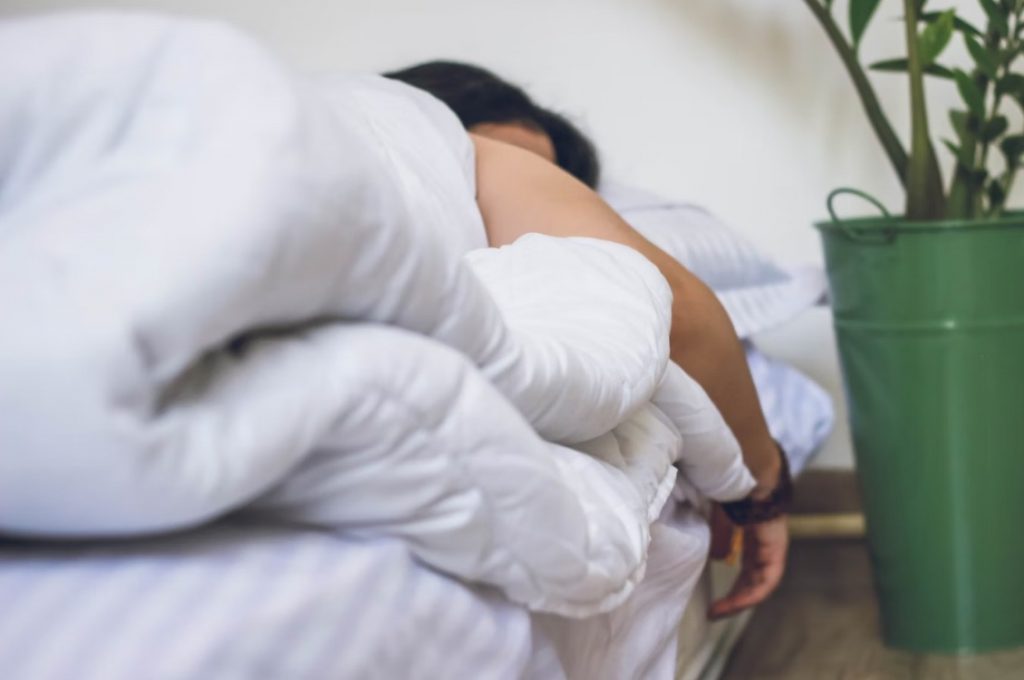
There’s nothing worse than a bad night’s sleep. You wake up in the morning feeling tired, grumpy, and angry at yourself for not being able to get some shut-eye. For some people, when their allergies hit, this is just an inevitability. They know they’ll be up all night with a stuffy nose or persistent cough.

Only 17% of people with allergies rate their sleep as optimal. And about half of all people have been woken up by their allergies and struggle to get back to sleep. That’s not a good feeling for anyone. But what is it that’s causing this exactly? And what can you do to make it better?

Causes of bad sleep

If you’re struggling to get to sleep, it could be because the allergens are right under your nose. Literally. There are likely two main causes that might be leading to your reaction: dust mites and pollen. Both will hang onto your bedding, clothing, and carpet, leaving you breathing them in all night.

You can read more about dust mites here, but the short of it is they live in our fabrics. Their skin and excrement is what sets our allergies off, and it’s not uncommon to find them in your bed. Pollen – which we also talked about recently – is going to affect anyone with hay fever. This has a tendency to cling to clothes and can easily come in through an open window.

So how can you make your sleep a little better?

Up your cleaning routine

The simplest trick is to increase how often you clean your bedroom. Since pollen and dust mites hang around on bedding, get into the habit of cleaning these regularly. You might have to play around with the idea to learn how frequently this needs to be. Also, vacuum more often if you have carpets, and don’t forget your curtains too.

Cleaning also applies to you. If you’ve been outside, pollen could stick to your hair. Switching to a night-time shower or bath will let you get that off your body instead of transferring it to your pillow. Speaking of which, hypoallergenic pillows and bedding exist, so if it’s a real problem, this is something you could invest in.

Keep pets out of the bedroom

This might be a sad tip, but a necessary one. Pets can just as easily get pollen caught in their fur. And just like with hair, this can be dispersed across your bedroom. Try a few nights of keeping them out of the room and see if that makes it better.

If you can’t bear the thought of sleeping without them, wash them more regularly too. Make sure to give them baths or, failing that, rub them down with a clean towel daily.

Don’t sleep with the windows open

As we get towards summer, this is going to be a hard pill to swallow. Nights are going to get hotter and humid. But by keeping your windows open, you’re just inviting pollen in. Really, you don’t want to open them at all throughout the day.

If this sounds like an unbearable idea, consider investing in an air purifier. This will extract allergens from the air, which will hopefully help you sleep a bit easier at night.

And those are our tips! We know a bad night’s sleep can have devastating effects on the next day. You shouldn’t have to put up with that. Hopefully our advice lets you catch a few more Zs. If not, talk to your doctor about allergy medication. Something like a nasal spray might work wonders. Whatever you can do to help you sleep peacefully is worth it.

Struggling to sleep at night because of your allergies? Talk to one of our specialists about it. We’re always here to listen to you and offer our advice. You can register as a new patient, or simply call us on 02031 433 449.

Can you be allergic to clothes?

allergic to clothes

Can you be allergic to clothes?

Most of us have gone out for the day in brand new clothes, feeling amazing, only to find our new outfit is horribly itchy. Maybe it’s just because it’s new or because it’s rough material. It’s happened to us all. 

But when our clothes are constantly clawing at our skin, it can get us down. It can feel like no matter what we do, our clothes will always irritate us. If this sounds familiar, then here’s what materials could be making you allergic to clothes.

Wool

While many are sensitive to wool clothing, true cases of wool allergy are actually incredibly rare. In fact, many researchers believe wool is unlikely to be an allergen at all. But many people report a runny nose, watery eyes, cough and skin irritation when they wear wool clothing. 

Some believe it may be lanolin that causes the outbreak. This is the protective, waxy layer that covers sheep hair. But again, an actual allergy to this is unlikely.

Polyester

Many people experience unpleasant symptoms when polyester comes in contact with their skin. Symptoms can include hives, rashes, itching, tender skin, unusually warm skin, and red marks on your legs.

Other non-skin related symptoms can include swelling, difficulty breathing, and tightness or pain in the chest. If you think you might have a polyester allergy, avoid any items that use the material, such as bedsheets, carpets, gym clothing, pyjamas, and clothing. 

Elastic

You could be allergic to the elastic in your clothing. Elastic is made from rubber and latex. And latex allergy affects around 1 in 1,000 people in the UK. Mild symptoms include hives, itching, redness, or a rash. 

But other symptoms – such as runny nose, watery eyes, cough, wheezing and a scratchy throat – are common too. If you think you have a latex allergy, speak to a professional. While symptoms can be mild, latex allergies can cause anaphylaxis, which can be fatal if left untreated. 

Whether your symptoms are an itch that never goes away or difficulty breathing, no one should have to suffer through an allergy.

Think you may have an allergy? Don’t wait around. Book an allergy test with London Allergy & Immunology Centre. Call us now on 02031 433 449.

Allergic to leather – what is it and how to diagnose it

Allergic to leather

Allergic to leather – what is it and how to diagnose it

The world is full of strange allergies. From the food you eat to the clothes you wear, you can be allergic to almost anything. But it still might surprise you to know that one of those things can be leather!

You can find this material, made from animals, on bags, shoes, jackets, and sofas. If someone suffers from a leather allergy, they will usually have reactions on their skin after wearing or touching leather. It’s strange, but it’s true!

What causes it?

The process to create leather requires a lot of different chemicals. Patients with a leather allergy are normally allergic to dimethyl fumarate (DMF), which helps with the tanning process. This chemical is used for its antifungal properties, but unfortunately, it can cause uncomfortable skin reactions for those allergic to it. If left untreated, these skin reactions can be really painful.  

What are the symptoms of a leather allergy?

If you’re allergic and come into contact with leather, the skin gets red and tender. Commonly known as a rash, you might know it as its medical name – contact dermatitis. Other symptoms of contact dermatitis include itchy, burning, peeling, or dry skin.

A leather allergy can be difficult to diagnose for many reasons. The first is that symptoms of this allergy are often delayed. They can also occur after prolonged exposure rather than instant contact. The symptoms of contact dermatitis are also very similar to eczema, highlighting the importance of getting a diagnosis by a board-certified allergist.

How is a leather allergy diagnosed?

Normally an allergist can spot a leather allergy by examining your feet, hands, and wrists – the most common place for symptoms to appear. When the diagnosis is unclear, they will use a patch test. This is the most accurate way to test it and works by applying small amounts of the allergen to the skin via patches. After removing them, an allergist will examine your skin.

After a diagnosis, an allergist will provide a treatment plan to help manage current symptoms and offer advice to avoid unwanted symptoms in the future.

Living allergy-free isn’t always easy, but it isn’t impossible. Don’t risk putting your health and life at risk. Request an allergy test with us today or visit our website to find out how we can help you.

What’s in your washing detergents and why it matters

What's in your washing detergent

What’s in your washing detergents and why it matters

Washing detergents and fabric softeners smell fantastic, but they don’t always feel it. For people with allergies or skin problems like eczema, using washing products with minimal chemicals in can make all the difference.

Similar to cosmetics, the fragrances and added scents can cause the skin to have an adverse reaction and can leave you having a bad night’s sleep if your bedding has been washed using certain detergents or powders.

It can be a challenge avoiding added chemicals as supermarket shelves are packed full of them. From lavender to a summer’s day to berries, there’s a different scent available for every wash. However, swapping out triggering products for something more natural is critical if you don’t want to break out into rashes, irritate your skin conditions, or scratch all day.

Ingredients list

Not everybody knows their triggers. You might know vaguely that harsh chemicals or fragrances don’t mix well with your skin. Here are the ingredients that are commonly found in washing products that you should steer clear of:

  • Fragrances
  • Dyes
  • Emulsifiers
  • Solvents
  • Parabens

Parabens

If you have sensitive skin, you’ll already be wary about everyday products and that avoiding them is the key to not breaking out into rashes, bumps, and inflamed skin. But you may not have thought about other chemicals like parabens. You might have noticed that more and more shampoos on the market are paraben-free. But what are they and why should you ditch detergents that contain them?

Since the 1950s, parabens have been used as a preservative in cosmetics and toiletries to keep away bacteria and allow products to last longer. They have become controversial in recent years due to studies showing how they affect the skin. Although ‘normal’ skin isn’t usually affected by the synthetic preservative, ‘problem’ skin can cause it to flare up.

Not every product will clearly list that they contain parabens as they can go by other names, including:

  • Methylparaben
  • Butylparaben
  • Propylparaben

Signs

If you think you have an allergy or skin condition related to these chemicals, these are the signs to look out for:

  • Rash
  • Itching
  • Bumps
  • Triggering of contact dermatitis or eczema

Contact or allergic?

It’s essential to find out whether you have contact dermatitis or allergic dermatitis. Both cause the skin to itch, dry out, and turn red, but they are also completely different. Contact dermatitis is usually more widespread and, unlike allergic dermatitis, doesn’t involve the immune system so isn’t an allergy. As its name suggests, contact dermatitis occurs due to exposure to irritants. However, allergic dermatitis is more localised and can cause the skin to blister and swell.

To avoid irritation, you should ditch the chemical-filled washing products and opt for products that are more natural. When you don’t know what your triggers are, we highly recommend you test for a range of allergens. If you’re struggling with skin conditions like eczema, find out more about what you can do to manage it.

If your skin is inflamed, itchy, and sore, you might have allergies you don’t even know about. Why not request an allergy test today or speak to our experts, so that you can live irritant-free.

Copyright 2026. All Rights Reserved

LAIC Main Menu