Latest News and Info

Natasha’s Law – what this means for food allergies

Natasha’s Law

Natasha’s Law – what this means for food allergies

From October 1st 2021, Natasha’s Law comes into effect. This means any pre-packaged food for direct sale will have to come with a full ingredient list. For allergy sufferers, it’s a cause for celebration and should make eating outside their homes just that little bit easier.

The law gets its name from Natasha Ednan-Laperouse, who died mid-flight in 2016 after purchasing a pre-packed sandwich from Pret a Manger. Little did she know, one of the hidden ingredients was sesame seeds, which she was deathly allergic to. Despite the best efforts of her father and two EpiPens, she unfortunately passed away.

Now, after tireless campaigning by her family, Natasha’s Law is soon to be in effect. Here’s what that might mean for people with food allergies.

What is Natasha’s Law?

Any business selling pre-packaged food will now have to provide a full list of ingredients on the label. Pre-packaged food includes anything made before you even arrive at the shop or fast-food restaurant. It could be a sandwich from the supermarket, fast food kept under a heat lamp, pre-made meals in hospitals, or anything made elsewhere by another business.

It will be a legal requirement for food sellers to provide a full list of ingredients, with a specific focus on the 14 allergens put forward by the Food Standards Agency. This does not apply to anything made on-site.

In the case of takeaways, allergen information has to be made available before purchase, with the same going for restaurants. For more information on specific cases, you should be able to find what you need on the Food Standards Agency website.

Is this good news?

The legal requirement is only a benefit for allergy sufferers. If you have a food allergy, you’ll know how it feels to go out to an unfamiliar restaurant and have that sense of fear. A fear that you never really know what’s in your food. With this new law, food providers have to be more transparent, making life easier for anyone with food allergies.

But some are worried restaurants and takeaways aren’t prepared enough for the change. 4 out of 5 businesses aren’t ready for the change. 2 out of 5 food service staff haven’t even heard of Natasha’s Law.

It’s clear there’s still work that needs to be done before food allergy sufferers can feel completely safe. Hopefully, this change is the first in many steps in the UK becoming a leader in food safety.

If you have any worries about potential food allergies, reach out to our team of allergy specialists. We can help diagnose any concerns and provide best guidance going forward. Just reach out to us on 02031 433 449.

Four common questions about food allergies answered

questions about food allergies

Four common questions about food allergies answered

It’s estimated around two million people in the UK are living with a food allergy and the numbers are rising. Having a food allergy can be nerve-wracking at the best of times and terrifying at the worst. 

But by learning as much as we can about our allergies, we can have much better control over how we handle them and feel much more confident about visiting new restaurants, going to new places, and going about our day-to-day lives. Here are some of the most common questions about food allergies answered. 

Have I suddenly developed a food allergy? 

It is definitely possible to develop an allergy. New allergies appearing in adulthood aren’t uncommon. For example, even if you’ve eaten eggs for your whole life, you can still develop an allergy to them. But there’s no way to know for certain until you get a test.

I think I’ve outgrown my allergy, can I try reintroducing it into my diet? 

No. While it’s very possible to grow out of your allergy, it’s not worth the risk. Allergies can also become worse over time, meaning you could suffer a life-threatening reaction. But if you’re really keen to try reintroducing a food you’re allergic to back into your diet, only do it with the permission and under the supervision of an allergist.

Can antihistamines stop anaphylaxis? 

No. They work too slowly for severe reactions. And antihistamines are generally intended for controlling milder reactions like a stuffy nose and itchy eyes. If you ever suspect you’re having an anaphylactic reaction, seek immediate professional help. 

What if I use my EpiPen but haven’t actually had an allergic reaction?

It’s better to be safe than sorry. It’s generally better to use your EpiPen than to hope it isn’t an allergic reaction.

Food allergies are more common now than ever before. And while science doesn’t yet know the reasons behind it, it’s important to stay informed so we can stay as happy and in control of our lives as possible.

If you have an allergy or suspect you might, register as a new patient here and book online today or call London Allergy and Immunology Centre 02031 433 449.

The Food Standards Agency makes food allergies a top priority

Food Standards Agency

The Food Standards Agency makes food allergies a top priority

There are enough news stories out there to know how dangerous food allergies can be. One wrong ingredient can be the difference between life and death. It’s why we’re glad to see the Food Standards Agency (FSA) make it one of their top priorities.

It’s one of their Areas of Research Interest (ARIs) for the future and will hopefully lead to some lives being saved. Let’s take a look at the news story, what it means for people with allergies, and how it could help.

What’s the story?

The FSA dedicates itself to putting consumer interests at the forefront of everything they do. Part of this is including a renewed interest in food allergies and intolerances. It’s one of their four ARIs, the others being food safety and standards, innovation in food regulation, and the future of food systems.

They will “develop their understanding of the biological and clinical manifestation of food allergy”. This means they will work on understanding how allergies come to be and when they appear in a person.

The FSA is an independent government body working across England, Wales, and Northern Ireland. As the name suggests, food safety is their top priority and hearing this news about food allergies is very welcome indeed.

Food allergy statistics

Food allergies and intolerances aren’t something we can ever take our eyes off. Even now, there are still stories of people – children included – who are dying because of their allergies. One Scottish teenager recently was lucky to escape with their life, having suffered an anaphylactic shock that landed them in hospital.

Anaphylaxis-type reactions occur in around 1 in 1000 people. With a population of 66 million people, it means that as many as 66,000 could suffer from an anaphylactic shock.

Here are some more food allergy statistics to make you think:

  • As many as 20% of the UK population experience some form of reaction to food.
  • Up to 26 million people in Europe are believed to have a food allergy.
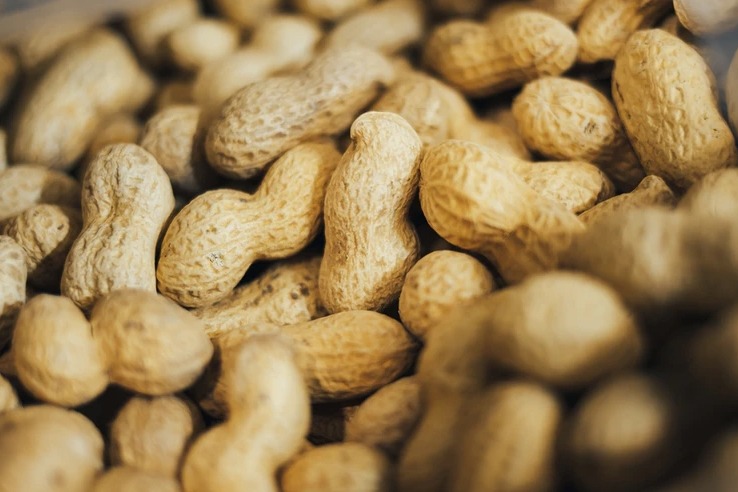
  • 1 in 40 children develop peanut allergies and 1 in 20 develop egg allergies

It just goes to show how common the affliction is and why we need to be careful about it. You should always take food allergies seriously. If everyone does that, then no one has to worry. If you have concerns about your own health or that of your child, contact an allergy specialist who can talk you through your worries.

That’s why we’re here to help. Our allergists have the knowledge you need to diagnose any allergies you may have. If you ever have any questions, reach out to us on 02031 433 449.

Three less common food allergies you might not know about

food allergies

Three less common food allergies you might not know about

In the UK, around 2 million people have a food allergy. And these are just the people who have been diagnosed! The actual figure is likely a lot higher.

There are some foods we all associate with allergies. We’ve all heard of peanut or shellfish allergies. And if we were suffering from one of these, it probably wouldn’t take us long to put two and two together. 

But what about the less common food allergies? The sneaky ones you might not expect or see coming. The more unusual the allergy, the harder it is to identify. We eat so many things it can be hard to pinpoint a specific food allergen. Here are some rare allergies you’ve probably never heard of!

Avocados

They’ve taken the current food scene by storm. But do you find yourself unable to enjoy an Instagrammable lunch of avocado toast? Turns out avocado allergies are actually a thing! And this specific allergen is two-fold, making it even more complicated.

You can have an oral allergy to avocados as they’re high in histamines. You eat an avocado, your body reacts, and your immune system tries to destroy it. The symptoms tend to include itching in your lips, mouth, or throat. It can also lead to stomach issues similar to IBS.

Now onto part two. The proteins found in avocados are really similar to those in latex. And this means you might react to avocados if you’re allergic to latex. You could get swollen lips, watery eyes, a runny nose, and stomach ache. In more severe cases, you might also experience hives or anaphylaxis. 

If you’re an avocado fiend, we hear that chayote squash is an excellent alternative and makes for a mean guacamole!

Marshmallows 

If you react to marshmallows, it’s probably gelatin that’s to blame. Gelatin is a protein and, although rare, it can lead to allergic reactions. You might experience hives, an itchy mouth or throat, mouth swelling, or stomach ache. 

Worth noting is that gelatin is also found in gummy sweets and has been linked to vaccines such as the flu shot.

Garlic 

Garlic adds a lot of flavour to our meals, but it could also add a lot of problems to your life. If you suffer from an allergy rather than an intolerance, expect to see hives, itching in your mouth and throat, a runny nose, sneezing, and stomach cramps.

Garlic, like avocado, is cross-reactive. Meaning if you’re allergic, you should also be wary of onions, leeks, chives, and shallots.

So there you have it. Three of the more unusual food allergies. If you’re a big fan of any of these things and have been experiencing some suspicious symptoms, maybe it’s time for an allergy test!

If you want an allergy test, or to learn more about different allergens, give us a call on 02031 433 499.

Food allergies in plain English: a guide for parents and carers

Food allergies

Food allergies in plain English: a guide for parents and carers

If you’re new to the world of allergies, we know they can be confusing. If you’re caring for your first child with allergies, there are several important things to know. Around 7% of British children have a food allergy. Sometimes, it can be hard to get straight to the relevant information online. We’ve written this guide in plain English so it’s easy to understand, and you can get some helpful tips on how to deal with a child with a food allergy.

What is a food allergy?

A food allergy is an immune system reaction to a particular food (the allergen). This means if your child ingests the food, or sometimes even comes into contact with particles from it, they will experience an allergic reaction. These reactions can be severe and immediate, which is known as anaphylaxis, and this can be deadly. It can also take a little longer, with milder symptoms including a rash, hives, swollen face, lips, or eyes, a blocked nose, watering eyes, or stomach pain for example. 

What is anaphylaxis?

This is a type of allergic reaction which may cause your child to find it difficult to breathe, come out in hives or a rash, develop swollen lips or tongue, to faint, vomit, or feel like something awful is about to happen. It can be fatal. If you think your child is having an anaphylactic reaction, call the emergency services and administer any emergency allergy medication the child uses, such as their Epipen. 

What problems can a food allergy cause a child?

Some children might benefit from seeking the help of a dietician, particularly if they have several allergies, because they might struggle to get all the essential nutrients they need. This is particularly important for young infants who have a milk allergy.

Is there a cure for food allergies?

Although researchers work continuously to find the answer to an allergy cure, there isn’t one just yet. However, you should visit an allergy specialist to find the best treatments available to your child which can greatly improve their quality of life and reduce any risks. You can also:

  • Teach your child about their allergy
  • Teach all their caregivers about the allergy
  • Speak to a professional allergist who can advise you on how best to manage the allergy

The best way to combat the risk from a food allergy is to make sure everyone is educated on the subject. You can use this guide to help you inform other people about the child’s allergy, helping to keep them safe throughout the day.

If you have more questions, the consultants at the London Allergy and Immunology Centre are happy to help. They can test your child for allergies and provide the best treatments and advice to keep them safe. All you need to do is book an appointment by calling 0203 143 3449.

Sending your child with food allergies to school

Sending your child with food allergies to school

Being a parent of a child with food allergies can be daunting. When it comes to sending them to school, where their nutrition is out of your control, can be even worse. Common food allergies that children have, according to the NHS include:

  • Milk
  • Eggs
  • Peanuts
  • Tree nuts
  • Fish
  • Shellfish

Although many other foods have been known to trigger an anaphylactic shock.

How to cope

There are ways which allow you and your child to have some reassurance while they attend school. By taking the necessary precautions you can create a safe environment for your child.

It’s important to make sure the school faculty are aware of your child’s allergies. This includes; nurses, canteen staff, teachers, and the headteacher. This allows you to be aware of the school’s system when taking care of an allergic reaction. In turn, you can have peace of mind while your child is away at school. Having good communication between staff and parents is beneficial in so many ways.

Making pre-packed food for your child is a great start. Mistakes can happen, and while kitchens adhere to strict standards, by managing what your child eats, you at least know that you’ve minimised the risk of ingestion. If your child is younger, by giving specialist snacks to your child’s teacher, you enable them to feel more integrated into the classroom.

Being prepared

Medication will need to be given to the acting school nurse. This supply of emergency medication should include an EpiPen. A legislation came into effect in October 2017 which allows schools in the UK to have spare adrenaline auto-injectors (AAIs). The AAIs give a dose of adrenaline in the event of a severe allergic reaction, which could be life-saving. It’s especially important to inform the school if your child is at risk of an anaphylactic shock. Making sure you give permission to the staff to administer medicine is also vital. If staff are made aware they can be trained to spot when a child may be having an anaphylactic shock.

Some common symptoms of a food allergy include:

  • An itchy sensation inside the mouth, throat or ears
  • A raised, itchy, red rash
  • Swelling of the face, around the eyes, lips, tongue, and roof of the mouth
  • Vomiting

Posters around the school are another way to inform pupils as well as the staff information about allergies. Does your child’s school have these in place? If not, why not bring it up with the headteacher? Having posters around can also be a reminder for your child on the dangers. After all, your child’s safety is of paramount importance. Following these steps helps you both. Peace of mind for you, and a relaxed, stress-free environment for your child.

Do you think your child might be suffering from allergies but have never had them diagnosed? Let us help you. London Allergy and Immunology Centre will provide you with the best treatments available, so your allergies don’t get in the way of your life. Book an appointment with us today by calling 02031 433 449 or visit our website.

Identifying and preventing allergies in infants

recognising and preventing allergies in infants

Identifying and preventing allergies in infants

The BSACI Paediatric Allergy Group (PAG) and the Food Allergy Specialist Group (FASG) of the British Dietetic Association (BDA) have developed guidance to identify allergies in higher risk infants and advice in early prevention of allergies. To find out more about prevention according to the new guidelines, keep reading.

Prevention

The BSACI has outlined a summary for parents to minimise the risk of allergies. The guide advises that prevention start from 6 months of age onwards.

6 months

Studies show that infants not breastfed were 3.6 times more likely to be hospitalised compared to those who exclusively breastfed for four months or more. Their recommended course of action goes like this:

  • Exclusive breastfeeding for around the first 6 months of life.
  • From around 6 months of age (but not before 4 months), introduce complementary foods (solids) – including foods known to cause food allergies – alongside continued breastfeeding.
  • Excluding egg and peanut from your baby’s diet is not strictly necessary as it is likely to increase the risk of food allergy.

Studies show that despite the relatively early introduction of solid foods, consumption of peanut and hen’s egg during infancy is not common practice with 73% of infants consuming less than one or no eggs per week; with 98% of infants consuming less than or no nuts.

Complementary foods should be pureed and offered in small amounts of vegetables, fruit, starchy foods, protein, and pasteurised dairy. Do not add salt or sugar.

Next step

Signs your baby is ready for solid foods include:

  • Being able to sit relatively unaided in a high chair, with their head steady.
  • Trying to reach out to grab food and put in their mouth.
  • Loss of the “tongue-thrust” reflex – babies who aren’t ready push the food back out with their tongue, so they get more around their face than they do in their mouths.

High risk

Babies who suffer from eczema are likely to be at a higher risk of allergies*. The BSACI advise that you should introduce egg and/or peanut earlier on in their diet (4 months of age), followed by other foods known to cause food allergies.

The benefits of allergy testing in higher-risk babies before introducing egg or peanut needs to be balanced against the risk this could cause a delay (due to lack of available testing) and increase the risk of food allergy.

*Some babies will already have food allergies, especially those with severe eczema. The risk of a severe reaction (anaphylaxis) is low (1-2 per 1000 in these babies). Speak to your healthcare professional before introducing egg and peanut if your baby has severe eczema.

Guide to egg and peanut

  • Egg – choose British lion-stamped eggs. Aim to give your child one egg over the course of the week.
  • Peanut – never give your baby whole nuts – make sure you chop them finely. The guide advises that you use smooth peanut butter, “puffed peanut” snacks or grind whole peanuts to a fine powder. Mix with pureed fruits/vegetables, yoghurt, porridge, baby cereals etc.

It can be a scary time in your life when you find out your child has food allergies. You worry the future will be filled with anxiety, but that doesn’t mean you and your child can’t live a normal life.

These guidelines are for infants who’s allergies have not yet been diagnosed. If you think your little one might have an allergy and would like further testing, get in touch today to book an appointment. To find out more about the BSACI, click here.

Food allergies and intolerance in infants

food allergies and intolerance in infants

Food allergies and intolerances in infants

Food allergies can cause a lot of worry, especially when you have to send your child off to school. These allergies are not always easy to spot, but it isn’t impossible.

The first step to take is to identify whether your child is suffering from an intolerance or allergy. Physical reactions such as bloating to specific foods aren’t uncommon. They are likely to be considered an intolerance rather than an allergy. Both can have similar symptoms which is why they are often confused.

Allergies are characterised as being life-threatening and occur when the body’s immune system perceives a specific food as harmful, leading to an allergic reaction. Whereas intolerances are less severe and often will only cause issues such as stomach pains or nausea; this is usually a result of the body not being able to digest certain foods or the digestive system reacting to the food and becoming irritated as a result.

Dietary alternatives

If your child is intolerant, then they may be able to consume minimal amounts of the food they are sensitive to without too much discomfort. You can swap out foods for alternatives, such as oat milk instead of dairy milk. Ask your doctor for help in aiding your digestion, as well as seek medical help for any underlying health issues that are causing the sensitivity.

Early intervention

The BSACI’s Paediatric Allergy Group (PAG) and the Food Allergy Specialist Group (FASG) of the British Dietetic Association (BDA) have developed guidance to identify allergies in higher risk infants and advice in early prevention of allergies.

They suggest that you introduce a variety of vegetables, fruit, starchy foods, protein, as well as pasteurised dairy into your child’s diet as early as six months old. Including foods commonly associated with allergies such as egg and peanuts. It’s also worth noting that babies who suffer from eczema are at a higher risk of food allergies.

Symptoms

The guide states that there are two categories to be aware of:

  • Immediate – typically happens within 30 minutes of consuming the food.
  • Delayed – occurs hours after the dietary trigger.

Immediate symptoms include:

  • Swollen lips, face or eyes
  • Itchy skin rash
  • Abdominal pain
  • Vomiting

Rarer symptoms include:

  • Swollen tongue
  • A persistent cough
  • Difficulty in breathing or heavy breathing
  • Unresponsiveness

Delayed symptoms include:

  • Persistent abdominal pain, vomiting
  • Food refusal or aversion
  • Frequent stools, constipation
  • Skin redding or itch over the body

If your child suffers from eczema, an allergy can make the eczema flare up and worsen.

Testing

Intolerances can be diagnosed by the exclusion of products one by one, with further reintroduction in a blinded manner, confirming the absence and return of the symptoms. Our clinic can test for allergies in children. We can give dietary advice after doing one or more of the following tests:

  • Skin prick test with commercially available food extracts
  • Prick to prick test with fresh or cooked food
  • Challenge test with food in a safe hospital environment
  • Blood test Specific IgE to food
  • Biochip – molecular method of Specific IgE detection Immunocap ISAC

If you find that your child is experiencing any of the symptoms listed in this blog, get in touch with us today on book an appointment with one of our consultants to take the first steps to preventing their discomfort.

What causes food allergies and intolerances?

Antibodies and allergies

What causes food allergies and intolerances?

The experience of a food intolerance can be uncomfortable. It can result in itching, swelling, rashes and other annoying symptoms. For those with serious allergies, it can result in anaphylactic shock, which can be fatal. So what causes our bodies to take such extreme action against seemingly harmless substances? This question is worth asking, but the answers to it are not completely understood yet. But we can look at what part our own antibodies play.

Common causes

We do know that allergic reactions occur when the immune system incorrectly perceives something as a threat to the body. This results in an overreaction to the substance, resulting in your immune system releasing antibodies. These antibodies trigger the release of protective chemicals. They are the cause of your unfortunate runny nose and watering eyes. Your immune system is a network of cells, tissues, and organs that work in unison to defend the body from harmful invaders. If the immune system were to break down, we would be severely susceptible to disease. Even mild infections like the common cold could kill us.

This defence system has evolved over thousands of years to be incredibly effective at protecting the human body. So how can something as simple as a nut or a glass of milk cause the whole system to turn on itself? Some scientists argue that the most common food allergens contain the same proteins. These are the proteins that cause allergic reactions. Nuts, seeds, shellfish, corn, milk, soy, eggs, and wheat are among the most common food allergies. They appear so different on the surface, yet they all share the same proteins. The proteins in question are more visible to the immune system than other proteins. For people with food allergies, the detection of these proteins triggers the release of Immunoglobulin antibodies.

The science behind antibodies

These IgE antibodies are usually the first line of defence against parasites, but in this case, they are misidentifying the food as a threat. When Immunoglobulin E (IgE) is produced, it occupies receptors on mast cells that, in the presence of the allergens, release histamine. That triggers symptoms like swelling, rashes, itching, and anaphylactic shock within seconds or minutes. There is a range of evidence to suggest that these types of allergies may be hereditary. Although children may not be allergic to the same foods as their parents, research suggests that parents with IgE-mediated allergies are more likely to have children with IgE-mediated allergies.

With large allergic reactions to food, it may seem obvious what is causing the problem. However, more subtle reactions can allow a food allergy to go undiagnosed for some time and there may be some confusion over what is causing your symptoms. But, there are ways to see what may be causing the reaction. 

If you are concerned that you may be suffering from a food allergy, book an appointment with one of our consultants today.

Urticaria and you

Urticaria and you

Urticaria and you

Urticaria might sound like an abandoned Tolkien character, but it’s actually a lot more familiar than that. More commonly known as hives, urticaria is the medical name for the pale red bumps that appear on the skin, often as a reaction to certain allergens, though they can also occur because of the cold or unknown reasons. In most cases, they class this condition as ‘acute’. That is, provoked as a temporary reaction to a one-time stimulus. But it can also manifest as ‘chronic’, lasting over long periods of time for a few different reasons, usually linked to autoimmune reactions and infections.

Today we’re going to be mainly focusing on the short-term, acute cases of urticaria. Much of what we discuss is also useful for chronic sufferers and can help alleviate symptoms all the same. Urticaria can be a symptom of an allergic reaction; food allergies, allergy to the venom of stinging insects, reactions to medication, latex allergies. When urticaria rears its head it requires assessment by a specialist as the condition might be dangerous or even life-threatening.

The facts

Spontaneous urticaria can be induced by a variety of physical triggers, such as temperature change, pressure or even exercise. It’s usually not dangerous but very uncomfortable as it can last up to 6 weeks. That said, around half the triggers of acute urticaria are as yet unknown. Thankfully, there are universal ways of managing these outbreaks regardless of the catalyst.

The good thing is that, in acute cases, most instances of urticaria don’t actually require any treatment. Simply avoiding the trigger for a few days, or sometimes even only a few hours, can provide enough respite to see the condition subside and normality resume. If it persists beyond this it’s best to seek advice from a consultant. But there are some things you can do in the meantime to help alleviate your symptoms.

Prevention

As often discussed on this blog, non-sedating, over-the-counter antihistamines will work wonders in managing your irritation. As the body reacts, it releases histamine that affects blood vessels and nerves resulting in urticarial flares or swellings. Antihistamines receptors to histamines on blood vessels and nerves. While not curing the root of the problem, will make the symptoms, such as itching, far more bearable.

If the condition persists or is of sufficient intensity, then antihistamines in the standard may not do enough, and in this instance, you need to see a consultant. Documenting the symptoms in SymTrack hive app on daily basis will be very important in making a decision on the required treatment. In accordance with global urticaria guidelines, your consultant will recommend the course of action.

Urticaria isn’t usually enough to stop anyone in their tracks, but it can be a nasty irritant and leave individuals feeling embarrassed in public. The important thing to remember is that you are not alone, and in fact, there are dedicated Urticaria Centres of Reference and Excellence (UCARE) that specialise in this condition and even a World Urticaria Day annually on the 1st October.

If you would like help and advice and to better understand your allergies, please book an appointment at our UCARE centre.

Copyright 2026. All Rights Reserved

LAIC Main Menu