
What allergies to look out for in your vegan diet
Posted: 8th February 2023 | Posted by Costa
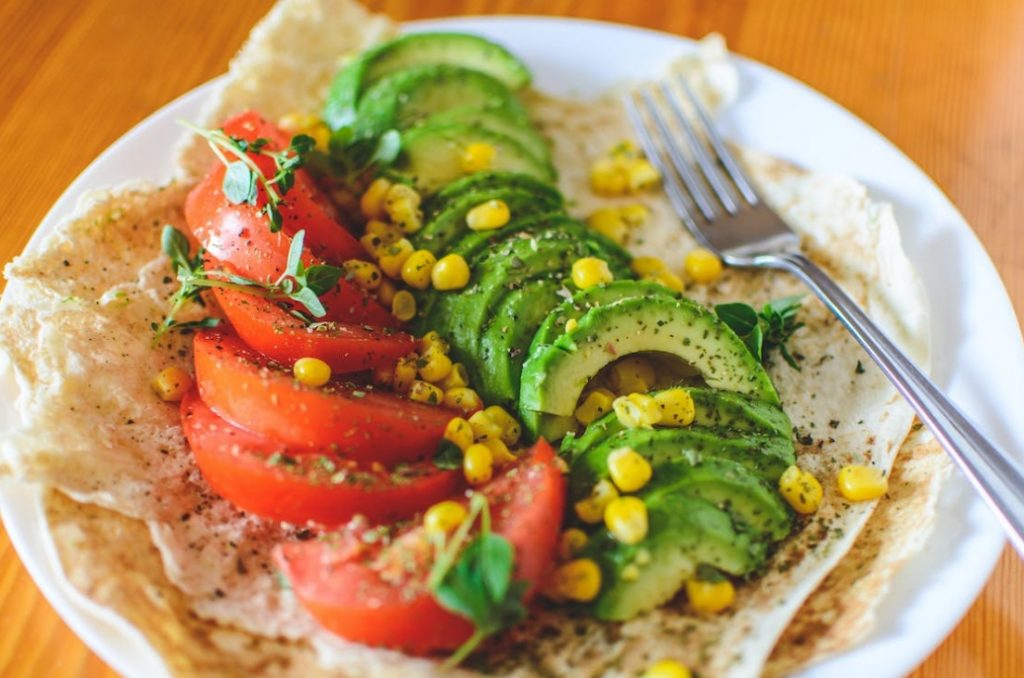
What allergies to look out for in your vegan diet
Veganism is on the rise. The number of people looking for an animal-product-free life is increasing and now makes up 3% of the UK population. It might not sound like much, but that’s over 2 million people. And the UK market for meat substitutes is the largest in Europe, worth over 500 million euros.
Whether you do it because you love animals, are conscious of your impact on the environment, or just want to be healthier, then that’s fantastic! You do you. But a vegan diet doesn’t mean you can escape food allergies. And some might not get your attention until they become a major part of your diet.
So what are some vegan-friendly foods and meat substitutes that you should be aware of? Let’s take a look.
Tofu
Maybe the first thing many people will think of when it comes to vegan foods: tofu. It’s certainly one of the most well-known meat-substitutes. At face value, it looks like a plain white block – how can you be allergic to it?
Well tofu is made from soya beans, and soy can be a trigger for some people. This is something that you may run into in a meat-eating diet, too. Up to 60% of manufactured foods are believed to contain soya. So while tofu might make up a lot of vegan diets, it might not be appropriate for some.
Seitan
Seitan is similar to tofu. It’s a popular meat replacement and is perfect for vegan diets. Unfortunately for some, it is made from gluten, which will affect those with a gluten intolerance or coeliac disease.
Symptoms can include severe gastrointestinal distress – diarrhoea, stomach aches, indigestion, constipation, and the like. It can be an alternative to tofu – and vice versa – so if you’re allergic to one, the other might be the right choice for you.
Nut milks
Obviously, in a vegan diet, you can’t have milk. It comes from an animal (usually a cow) and is considered inappropriate. The dairy alternative market has certainly skyrocketed in recent years partly because of this and people becoming more aware of their lactose intolerance. So much so that this market is predicted to be worth over $60 billion by 2029.
Now you have products like oat milk and almond milk. But for someone with a tree-nut allergy – specifically almonds – it’s going to cause trouble. This could happen in two ways. One, if a person is allergic to birch pollen, they will likely also react to almonds. Two, almonds themselves may cause a reaction, potentially leading to life-threatening anaphylaxis.
It’s something to always be aware of, especially if you’re going through a major diet change. And this doesn’t even go into oral allergy syndrome, which you might experience with certain fruits. Just because vegan alternatives are healthier doesn’t mean they’re safe for everyone. Watch what you eat, and make sure you’re staying happy and healthy.
If something in your diet is causing you distress but you aren’t sure what, then get in touch. Our allergy specialists can guide you through the process of figuring it out and giving you helpful advice to avoid it in the future. To find out more, call us on 02031 433 449 or register as a new patient with us.