Latest News and Info

How to know if it’s a mould allergy – and how to fight it

mould allergy

How to know if it’s a mould allergy – and how to fight it

Our home is our castle. It’s a sanctuary; somewhere we know we can retreat to at the end of the day and relax. And many of us will be proud of the homes we’ve created. Sure, they might not be as clean as others, or as organised, but it’s ours. So when something upsets that balance, it can feel like an attack. And one attack we all hate to see is mould.

Mould isn’t nice at the best of times, but in some people, it can be that much worse. There are those who have an allergy to mould, making it all the more pressing to get out of your house. If only it wasn’t so stubborn. But what are the ins and outs of a mould allergy? And how can you deal with it? Let’s take a look…

What is mould?

This seems rather obvious, but let’s start with what mould actually is. At least how it affects all of us – not just people with a mould allergy. Mould thrives on moisture. It’s why you’re most likely to see it in your home in your bathroom or kitchen. You may also find it outside, especially on plant of animal matter, which it decomposes.

Now there is some confusion about how mould and damp environments affect all of us. Dampness has been linked to long-term health issues, particularly respiratory (i.e. breathing) problems. This is sometimes attributed to mould, but the link is uncertain as it’s hard to monitor exactly how much mould someone is exposed to. But since they usually go hand in hand, it’s fair to be wary of both.

Again, this can affect anyone. Especially if it’s the infamous “black mould”, which has been the bane of many homeowners’ lives. But for those who do have an allergy, it adds that extra layer of concern.

Symptoms of a mould allergy

The cause of the allergic reaction is the mould’s spores. Similar to dust or pollen, these airborne particles get into our respiratory systems, causing issues for those with allergies. As such, some of the symptoms will be similar to dust and pollen allergies. This includes:

  • Sneezing
  • Coughing
  • Itchy or watery eyes
  • Scratchy throat
  • Runny or stuffy nose

Symptoms experienced will vary from person to person. Mould may also exacerbate people’s asthma if they have the condition. There is no set time of year this might happen, so mould allergies can be triggered at any time. Though it may be more frequent in spring or autumn when the weather is wetter.

Avoiding your mould allergy

The simplest way to avoid a mould allergy attack is to keep its presence at a minimum. This is something you can only really control in your own home. So keep it well ventilated by opening windows frequently when it’s dry and using extractor fans in the bathroom and kitchen. If you don’t have those, look into buying a dehumidifier to extract the moisture from the air.

You’ll also want to get good at cleaning, making sure to frequently tackle your bathroom and kitchen. Invest in a good anti-mould spray and try to get in the habit of using it after every shower or bath. To prevent moisture build-up in other rooms, pay attention to the humidity and avoid drying clothes indoors if you can. If you can’t, follow some of our other tips above.

Other than that, when you’re outdoors, stick to more urban areas. Walks through fields and forests might be a bad idea as that will be where mould thrives. And – as always – talk to your doctor about any persistent symptoms. Keep yourself healthy and safe, and the mould at bay.

Allergies getting you down? Talk to one of our allergy specialists to talk through your concerns, achieve a diagnosis, or receive some helpful advice for managing your allergy. Register as a patient today or call us on 02031 433 449.
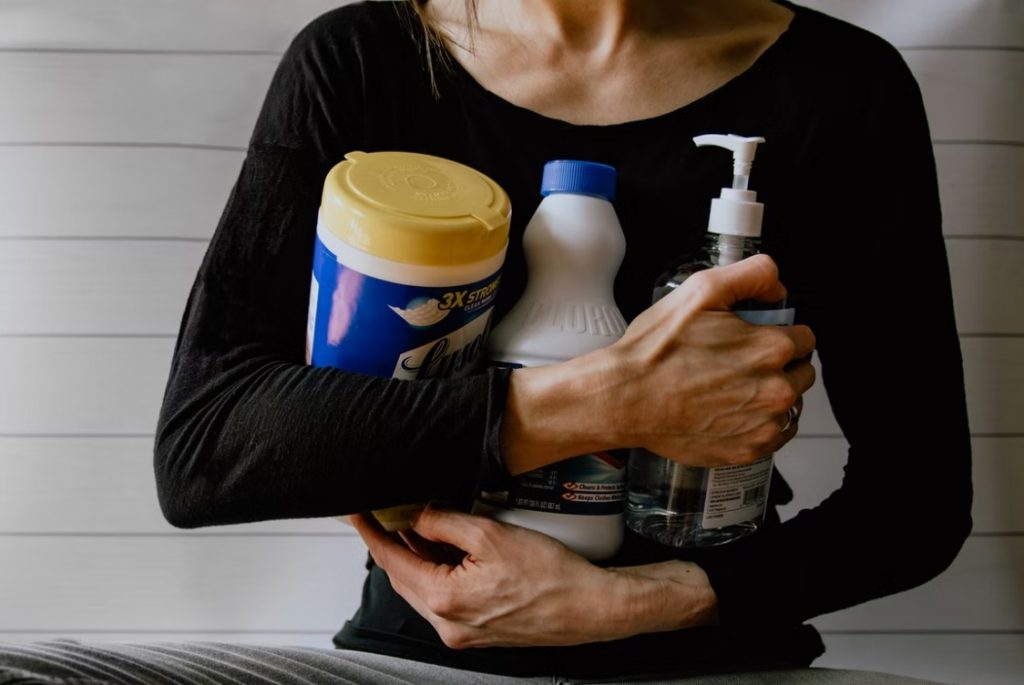
Household chemicals that you could be allergic to

household chemicals

Household chemicals that you could be allergic to

There’s nothing less convenient than having your allergies triggered at home. All it takes is one open window to set off your hay fever. But at least you can take steps to avoid them. What’s worse is when all you want to do is clean your home and… another allergic reaction.

We can be allergic to many household chemicals and beauty products that make up our day to day. And it might not even be an allergy; some will trigger your asthma. In one study, they found that children had a higher chance of having a recurrent wheeze if they lived in a house that used cleaning products more often.

So what can you do about it? And what symptoms should you look out for?

Allergy triggers

What exactly causes your allergic response will be hard to pin down. But it’ll be a chemical within the product that sets you off. As such, there are plenty of household chemicals that could trigger your allergies.

This includes:

  • Washing powder/detergent
  • Disinfectants/antibacterial products
  • Shampoo
  • Soaps and shower gels
  • Washing-up liquid
  • Polish
  • Bleach

The list is far from extensive. As a rule of thumb, staying away from anything containing formaldehyde or ammonia is another good bet.

You’ll know you’ve had an adverse reaction if you experience:

  • Red patches on your skin
  • Sneezing
  • Itchy, watery eyes
  • Breathing difficulties

What to do

The obvious first step is to avoid using products and chemicals that have triggered your allergies in the past. But there’ll come a time when you have to clean yourself or your home. And that will potentially bring you back into contact with these products.

Until you find alternatives, and if you feel you absolutely must, use rubber gloves when cleaning your home. You also might want to wear a mask to block fumes and open windows to keep the space well ventilated. Though we don’t recommend this at all. You should do what you can to keep yourself healthy.

If you have a partner, consider swapping chores so they do the cleaning. Or, if you’re the domestic one, look for alternative cleaning methods. There will no doubt be a recipe out there for making your own home cleaner with vinegar and baking soda.

Above all else, you want to go to your doctor about any symptoms. They can refer you to an allergy specialist or test you for your exact triggers. This way, you can avoid nasty chemicals and live your life free of worry. And still have a clean house!

If you’re concerned about your allergies, get in touch with our specialists. We can guide you on your allergy journey and help you figure out what you can do. Reach out to us on 02031 433 449.

Three simple things you can be doing to keep your allergies in check

keep your allergies in check

Three simple things you can be doing to keep your allergies in check

Allergies can have a significant impact on our lives. Sometimes, it feels like no matter what we do, we can’t control them. No matter how many antihistamines we take, or how many times a day we use our eye drops, it can feel like we’re stuck with our symptoms.

There are many treatments or preventative measures that are too expensive, too difficult, or that just don’t fit our lifestyle. So with that in mind, here are three simple things you can do to help you control your allergies.

Understand your allergies

Allergies can be complicated. It can look like you’re allergic to one thing, and then it turns out you’re allergic to something else. Understanding your allergies will put you on the right path to treating them properly. How can you treat an allergic reaction when you don’t know the cause?

The easiest way to know for sure what you’re allergic to is to get an allergy test. The skin prick test is the most common test. But there are several available. Knowing the cause of your symptoms makes your allergies easier to pretreat.

Getting off to a good start

It’s always best to fight your allergies before they begin. That’s why knowing what your allergies are and keeping your house clean are good first steps. It helps prevent you from having your allergies set off in the first place. The general rule is “the sooner the better”.

Pretreating is the idea that you medicate before symptoms occur, but consult your GP before you take any medication. They will be able to tell you which are right for you and how you should use them. In the meantime, do what you can around your house to keep you allergy free.

Allergy-proof your home

If you suffer from an allergy to pet dander, dust mites, or pollen, then some intensive spring cleaning could do the trick. Regularly vacuuming, dusting, and – in the case of hay fever – keeping windows shut, can help tame your symptoms. Be sure to check the label of any products you use because heavily scented cleaners can make symptoms worse

If you have an allergy to mould, investing in a dehumidifier and opening doors and windows for air circulation will help. There are many things you can do around the home to control your symptoms and prevent the cause of it from getting worse; these are just a few.

These simple tips will help you prevent your allergies from spiralling this year. The sooner you begin to understand and treat your allergies, the better.

Take the first step to controlling your allergies this year. Book an allergy test with Allergy Clinic London now on 02031 433 449.

Four steps to improving allergy symptoms

Improving allergy symptoms

Four steps to improving allergy symptoms

Whether it’s an allergy to food, dust, or pollen, allergies can make life miserable for so many of us. They can vary wildly from mild skin reactions and stomach problems to full-blown anaphylactic shock. Before these symptoms take over your life, coping strategies are there to help you get on with your day and get the most out of life. Here are just a small handful of useful tips to help you cope.

Check the pollen count in your area

This tip is particularly important for those with dust and pollen allergies. Use apps or websites to keep an eye on the pollen count in your area every day. Even if it’s a beautiful day, when the pollen count is high, make sure you keep windows and doors closed to protect your indoor air. Your body will thank you for it.

Know your indoor triggers

There are plenty of triggers other than pollen and dust that can mess with your allergies and cause symptoms. Factors like dust mites, pet dander, and mould can make allergies worse.

Regularly cleaning can help minimise these potential triggers in your home. If your home has a damp problem, investing in a dehumidifier will help keep symptoms and breathing difficulties under control.

Give your diet a health kick

It should come as no surprise that a healthy diet leaves your body running much more efficiently. A high intake of antioxidant nutrients, from fresh fruit and vegetables, is associated with a reduction in seasonal allergies in both children and adults. Even then, it’s a good habit to get into, allergies or not!

The importance of consulting an allergist

Depending on your situation, it can be very easy to misdiagnose your symptoms and cover them up with over-the counter-solutions. The problem with this is it fails to address the cause of the symptoms and, if left untreated, may get worse or cause other problems.

There are potentially many reasons why these symptoms have suddenly turned up. A professional diagnosis can give you the peace of mind and direction to make sure you’re doing everything you can to minimise and prevent these symptoms.

We know how hard juggling allergies with your daily life can be. No one wants that inconvenience. But hopefully our tips help you make things that little bit easier.

If you want to find more ways to improve your daily life, you could consider getting in touch with one of our consultants who can provide the most effective treatments for your allergies. All you need to do is call 02031 433 449 to book an appointment.


Copyright 2026. All Rights Reserved

LAIC Main Menu