Latest News and Info

How to allergy-proof your home

allergy-proof your home

How to allergy-proof your home

If you’re a house-proud person, there’s probably no better feeling than having everything spick and span. The floor’s had a good mop or vacuum and everything’s in its rightful place. But what if we told you it might not be as clean as you think? To you, it’s perfect, but to people with allergies? There could be a stray hair or bit of dust that’s going to set them off.

Yes, something as simple as travelling to someone else’s home can be a chore for someone with an allergy. You go to your friend’s house only for the dog hair on the sofa to bring you out in a painful rash. 

With this being the festive season, you might be about to entertain some guests. So what can you do to allergy-proof your home and keep them feeling comfortable?

What to be aware of

Let’s start with the mystery allergens you should know about. There are some that are likely to be more common than others in a home, and while they might not bother you, they might be the bane of someone else’s existence.

First, there’s dust. It builds up in every crevice, and if you’re only cleaning where you can see it, you might have missed some. Then there’s mould, though this might be less prevalent. It’s still worth looking out for in rooms where it often appears, such as the bathroom.

If you have a pet, then pet dander could be an issue. This also has a habit of getting everywhere you don’t want it to be. Depending on the season, pollen might be lurking too, sticking to everything as it is wont to do. Lastly, food allergies. You may think someone has to eat something to have a reaction, but sometimes food particles are enough to set them off.

What will help with guests is knowing what their allergies are. This way, you can appropriately prepare. Now we’ve covered that, let’s look at our top 3 tips for allergy-proofing your home. 

Tip #1 – Clean, clean, and clean!

You might be the cleanest person in the world, but it still might not be enough. If you know you have guests coming over, up your cleaning routine. Do it more often to prevent a build-up of allergens.

You’ll also want to clean in places you might not usually. So make sure to get every shelf, every ornament, every skirting board – even your curtains! Allergens can stick to them like crazy.

Tip #2 – Dealing with your pets

If you have a pet, pay particular attention to areas where they spend time. If your dog is allowed on the sofa, that’s a prime candidate for a deep clean. Their dander will get everywhere, especially on the carpet. If you can afford the investment, a high-power vacuum designed for pet hair would be best.

Your cleaning routine also extends to your pet. Giving them regular baths ensures they don’t have allergens tangled in their fur. And regular brushing (done outside) gets rid of loose hair.

Tip #3 – Thinking about food

As we said earlier, a simple food particle is sometimes enough to trigger someone’s allergies. In these cases, their symptoms are likely to be respiratory. So they may suffer from breathing difficulties, and in worst-case scenarios, this can lead to potentially fatal outcomes.

Especially over this holiday period, think twice about the food you have. If you know you’re feeding your guests, ask about any allergens and take them seriously. But if you’re not, then keep food away from any guests and stay out of the kitchen just in case.

Being considerate about someone’s allergies doesn’t have to take a lot of effort. But the gesture will mean a lot if you allergy-proof your home. So whether it’s for the benefit of any guests over the holidays or you carry this advice into the new year, take our tips and become an even better allergy ally.

Having an allergy doesn’t mean you can’t live a normal life. If you ever have any concerns about your potential allergies, feel free to reach out to us. You can register as a new patient or call us on 02031 433 449.


The downsides of sleeping with a fan on when you have allergies

sleeping with a fan on

The downsides of sleeping with a fan on when you have allergies

The UK broke its highest ever temperature record in July, leaving a lot of people fighting the heat. It led to some beautiful days in the sun, but some uncomfortable nights trying to get to sleep. One way people try to beat that nighttime heat is by keeping a fan on, spreading cool air through the room.

But people with allergies might have found this exacerbates their symptoms. What was supposed to be a cool night’s sleep turns into one filled with dry eyes, a dry throat, and a stuffy nose. Why does this happen? And what can you do to stop it?

The downsides of sleeping with a fan on

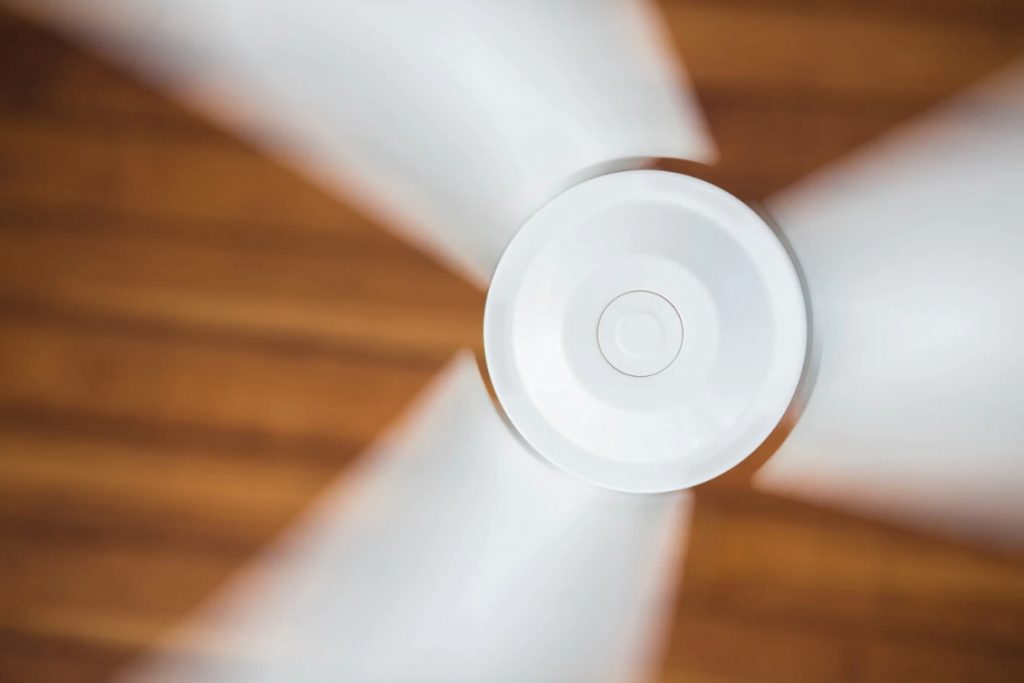
A fan’s whole purpose is to move air around a room to keep it cool. When there’s a lot of dust or pollen lying around, that is naturally going to get whipped up and moved around the room too. If you have an allergy to either of these, you’re basically going to get them thrown in your face by your fan, setting off a reaction. If you also have the window open, the fan may also pull in even more pollen from outside and circulate that through the room.

This is going to cause those telltale symptoms, such as a runny nose, watery eyes, and an itchy throat. More than that, fans can cause issues even without allergies. The cold air it pushes around can dry out your skin and eyes. And excessive dryness can trigger your body to produce more mucus, leading to congestion. Combine this with allergy symptoms, and you might wake up feeling worse than when you went to sleep.

How to prevent it

The simplest solution is to not sleep with a fan on, but that might make your night worse in other ways. So there are a few ways you can mitigate any issues. Number one is to keep the fan clean. The blades can quickly accumulate a lot of dust, so giving them a wipe daily can stop the build up.

Next, keep your fan at a distance. With how warm it can get, we know you’ll be tempted to have it right at your side. This is only going to send allergens directly at you. Keeping it further away means the allergens can be dispersed. Also, make sure your fan can rotate. This way, it isn’t pointing just at you and can evenly distribute the air. You might also want to invest in an air filter that’s rated specifically for allergies.

It might not solve all your problems, but it should allow you to have a good night’s sleep without feeling too many bad effects. As long as you keep your room clean – and potentially even keep the windows closed during the day – you should be fine. If you ever have any huge concerns, you can always talk to an allergy specialist for the best advice.

Don’t let your allergies bring you down and keep you up at night. Talk to one of our experts to help you live freely. You can register as a new patient here, or simply give up a call on 02031 433 449.

3 allergy hot spots around your home

allergy hot spots

3 allergy hot spots around your home

Dodging your allergies can feel like a full-time job. For a large chunk of the year, you can’t even step outside without fearing the dreaded symptoms. But then you stay home, keep all your windows closed, and still find yourself suffering. What gives? 

Allergens are pesky. Especially dust and mould. They could be showing up around your home without you even realising. But fear not! By learning their favourite hiding places, you can show them the door and keep your home an allergy-free zone.

Knick-knacks

Knick-knacks are great for making a house feel like a home. They’re not so great for avoiding your allergy symptoms. Dust particles love to gather around books, photo frames, or anything else you have out in the open. 

The solution? Step up your cleaning routine. Rather than dusting around your knick-knacks, take everything down and give it a thorough clean. Also, rather than using a duster – which will just move it around – try using a damp microfiber cloth to trap the dust. The extra cleaning can feel tedious in the moment, but you’ll be grateful in the long-run.

Your bed

Your bed is somewhere you spend a large amount of time. Unfortunately, it’s also a hot spot for dust mites, pet hair, or sneaky pollen – all of which could be causing you grief.

If you suspect your bedsheets are adding to your symptoms, it’s as simple as changing them more often. And always wash them at a high temperature – ideally above 60 degrees. Your mattress, duvet, and pillows themselves can also be dust magnets. So it might be worth investing in dust covers, and vacuuming your mattress on a regular basis.

Again, this might mean a little extra housework. But look at the bright side – you get that dreamy fresh sheet feeling more often!

The shower

Those black spots in your shower aren’t just an eyesore and a pain to clean. They might also be causing that tickle in the back of your throat. Mould loves warm environments, such as your steamy bathroom post-shower. And when their spores are released into the air, you can breathe them in and experience all sorts of allergy symptoms. 

You want to do your best to prevent mould from forming in the first place. So keep your bathroom well ventilated by using the fan or opening a window or door. The less humid and damp it stays, the better. And if you do notice mould forming, opt for bleach and water to stop it in its tracks.

Allergies can be relentless. And it’s frustrating to feel like you’re not even safe in the comfort of your home. But by switching a few simple habits, you can significantly reduce the amount of allergens lurking around.

If you need extra support identifying or managing your allergies, we’d love to help. To register as a new patient or book an appointment, call us on 02031 433 449.

What indoor allergies to watch out for this winter

Indoor allergies

What indoor allergies to watch out for this winter

This year, we’ve all spent more time indoors than we’d like. Unfortunately, that isn’t going to change as we head into winter. The cold, dreary weather is something we all want to avoid, preferring to stay indoors and keep nice and warm.

But for allergy sufferers, you could potentially be locking yourself in with things that send your allergies into overdrive. Indoors with the windows shut might keep the cold out, but it’ll also keep the allergens in. So what should you look out for this winter? What might be setting your allergies off?

Mould

No homeowner wants to find mould where they live. You dread finding some growing in a dark, damp corner of your kitchen, bathroom, or maybe even your bedroom. But that worry doubles if you have an allergy.

Mould spores can trigger an allergic reaction, leading to runny noses, sneezing, or irritation. It has also been known to trigger people with asthma and those with eczema.

It can get harder to manage in winter because you don’t always want to open the windows for ventilation. You have to decide between keeping the cold out or airing a damp room. So be mindful during the winter months to keep things dry to prevent mould.

Pet dander

Everyone loves their pets. And those without one probably wish they had one to keep them company. If you have a beloved cat or dog, you have to watch out for their dander. This is the skin they shed, but people can also react to their saliva.

So when a pet sheds their fur, the particles that fall can trigger some people’s allergies. This can become a problem if you let them use the same furniture as you, such as the sofa or bed.

The best way to deal with this is to vacuum regularly. Don’t let the dander sit for too long; try to make it a daily occurrence if you can. And wash anything they have come in contact with that you likely will too.

Dust mites

Blink and you’ll miss them, these small mites can cause massive trouble for people with allergies. It isn’t the dust mite that causes the allergy, though – it’s their droppings. It can easily set off people’s hay fever, asthma, or eczema.

Annoyingly, dust mites like to appear anywhere with soft furnishings, such as carpets or sofas, but the bedroom is a particular hotspot.

How can you help the situation? It’s very similar to mould; dust mites like humid environments, so ventilation is key. Try opening windows for a couple of hours when you aren’t in the room. And wash your sheets regularly, especially if you’re reacting to something and you’re not quite sure what.

If you find yourself suffering from a mysterious allergy this winter and you aren’t sure what it is, make sure to consult an allergy specialist. They can let you know how to handle your allergies during the winter months. In the meantime, stay safe, stay warm, and stay healthy.

At Allergy Clinic London, we have the allergy expertise you need to live a stress-free life. To talk to someone about your allergies, contact us on 02031 433 449.

Will sleeping with a fan affect your allergies?

sleeping with a fan

Will sleeping with a fan affect your allergies?

We’re at the height of summer and, if we’re lucky, we’ll get some glorious weather. The downside? It gets way too hot, especially at night. We all know the feeling – you’re trying to sleep, but no matter how you lie, you feel like you’re on fire. You open the bedroom window only for it to do nothing. So you think of something that might fix that problem: a fan.

But this brings up its own problems if you have allergies. The fan can contribute to your allergies flaring up, meaning you still can’t get to sleep. So why does this happen? And is there anything you can do to stop it?

Why is a fan bad for your allergies?

We all know why fans are great. They circulate air around the room, keeping it cool. But it can also stir up dust and other particles that can set off your allergies. This can happen day or night, but we’re focusing on nighttime for the sake of this article since you’ll be asleep and unable to do anything about the problem.

Even if you don’t have a dust allergy or hay fever, you might have sensitive skin. If you do, the constant stream of cold air can dry it out, irritating the skin. Fans have even been known to trigger asthma symptoms when used for a prolonged period of time.

Does this mean you can never use a fan at night if you have allergies? Not necessarily…

How you can help

If you have an airborne allergy, such as a dust allergy or hay fever, you can reduce the chances of causing a reaction with diligent cleaning. Keep on top of your dusting and don’t be tempted to open the windows in your bedroom. Pollen or dust might come in during the day, stick to your curtains, carpet, or bedding, and get kicked up during the night by the fan. You should also clean the fan blades themselves as they might collect dust and other particles too.

For your skin, make sure to keep it well moisturised. Find a moisturiser or lotion that works for you and use it liberally. You could also consider buying a timer for your plug so the fan turns off automatically, meaning it isn’t running and drying your skin out all night.

We all want to sleep comfortably and you shouldn’t have to suffer because of your allergies. It might be worth talking to your doctor – or even an allergy specialist – about what you can do to help. For now, stay safe and we hope you manage to get a good night’s sleep!

If you have any questions about your allergy, feel free to get in touch with one of our specialists. We have extensive experience dealing with allergies and can pass on some useful advice. You can call us on 02031 433 449.

Why sleeping with a fan on can be dangerous for allergy sufferers

sleeping with a fan on

Why sleeping with a fan on can be dangerous for allergy sufferers

It’s not often we get to bring out the fan, but when the temperature is reaching 30 degrees like it has this year, there’s no better excuse. For the past few years, summer temperatures and the number of heatwaves have been creeping up. In 1976, the UK experienced a heatwave unlike any other with scorching temperatures into the mid-30 degrees. It wasn’t until 2003 another heatwave rivalled its severity, then again in 2006, then 2018, and now 2019. 

Heatwaves like this will only become more frequent and more intense as our climate changes. More people are looking for solutions to the heat in a country where A/C isn’t standard in homes. So they turn to fans, even to sleep. But this can have negative effects, particularly for those with asthma and other allergies.

Why sleeping with the fan on might not be a good idea

As fans blow air around our room, creating a cool breeze, they also spread dust and allergens. This can trigger reactions and cause irritation while you sleep and, as a result, you could lose sleep, which can lead to other health complications, and it may prolong your symptoms. 

To minimise this risk, you could try dusting the fan blades and cleaning your home to remove as much dust and potential allergens as possible. But for those sensitive to allergens in the dust, it may be worth turning the fan off at night, ensuring a good night of rest. 

Fans may cause other problems, including dry skin, so using enough moisturiser is important. Also, you might experience tight, sore muscles from the cold air. 

Despite this, for most people, using a fan is a very, very small health risk and the benefits of being able to stay cool greatly outweigh any threats. However, for those with sensitive asthma and allergies, it might be best to find other options to stay cool at night. 

If your allergies are getting out of control, and you’re struggling to find a way to manage them, get in touch with one of the consultants at The London Allergy and Immunology Centre. We use state-of-the-art treatments to help people get their quality of life back. Call us on 0203 143 3449 to discuss your allergy needs.

Three simple things you can be doing to keep everyday allergies in check

Keep allergies in check

Three simple things you can be doing to keep everyday allergies in check

With many of us affected by allergies, having straightforward ways to keep them at bay is important. There are plenty of easy habits you can be doing to stop allergic reactions in their tracks.

Keep pollen outside

As hay fever figures continue to rise – 31% of adults reported suffering in 2017 – it’s important to reduce the pollen getting into your home. It can be as simple as ensuring you’re washing your clothing and bedding often. Vacuuming floors and curtains, which can both hold onto pollen, also helps with this. You want to keep outside allergens out of the house, so keep your windows closed on a breezy day. If you have a pet that’s been outside, make sure to give them a wash.

Preventative measures

With seasonal allergies, the best thing you can do is be prepared. You can plan the time you spend outside based on pollen counts, and start taking hay fever and allergy-specific medications at the start of the season. This way, you can treat symptoms before they show, and ideally prevent them from occurring at all. It’s also important to recognise when your symptoms have gotten out of control and when to go to a doctor for advice on treatment.

If it’s not broken, don’t fix it

The uncomfortable realisation that you’re allergic to a new product is familiar to many of us. If this often happens to you, you’ll be better off sticking to what you know in terms of household products.  

If you get on well with a particular detergent, soap, or shampoo you’ve used for years, avoid changing it up. It’s not worth the risk of reacting to a new formula or scent. If you’re feeling adventurous and can’t resist trying something new, find out what specific ingredients you keep reacting to. This way, at least you can lessen the chance that the new product will lead to an uncomfortable rash.

Just because you have an allergy doesn’t mean you have to suffer. Hopefully, these tips will help keep your day-to-day life as simple as possible. And remember, always check with an allergy specialist before you make any significant changes.

For more guidance on how to keep your allergies in check, or to book an allergy test, feel free to call us on 02031 433 449.

Everything you need to know about airborne allergies

Airborne allergies

Everything you need to know about airborne allergies

There are several types of allergies and with recent news about cafes and restaurants not fully labelling their products with the allergens they contain, the public is learning more about allergies. A lot of people are probably aware of allergies such as gluten or dairy, but what about lesser-known allergens? Airborne allergies can cause a multitude of symptoms; some are as minor as fatigue to the more irritable symptoms like itchy and watery eyes. Unfortunately, allergies can cause continuous discomfort throughout an individual’s day. Some of these might surprise you as they include everyday objects that are otherwise unassuming. These include:

All allergies can be extremely dangerous if left untested.

Allergies such as these ones are caused by the body’s immune system treating allergens as a foreign substance. In response to this, the body reacts by producing large amounts of Immunoglobulin E (IgE). For different allergies, there are different types of IgE. These antibodies stick to the body’s mast cells which are a type of blood cell. This reaction, combined with the release of chemicals like histamine, can cause inflammation.

If you continually experience any of the following symptoms, we highly recommend requesting an allergy test:

  • Runny nose
  • Itchy eyes
  • Coughing
  • Itchy throat
  • Skin rashes

Causes

If you suddenly start sneezing when you’re around allergens such as pet hair or pollen, it can be caused by a lack of exposure. If you’ve lived your life in a city with minimal plant life for example, suddenly being in a pollen-filled environment may trigger hay fever.

In some cases, you may have always had an allergy present. But it may have been so minor that you didn’t even notice as it caused minimal discomfort. It’s also possible that the allergy increased during adulthood.

Another reason may be that little exposure to bacteria and dirt may increase vulnerability to allergies as the body suppresses the natural development of the immune system. So when our immune system does come into contact with unclean environments, the body overreacts.

Management

There are several ways to manage allergies including:

  • Avoiding triggering environments, ingredients, and other allergens
  • Taking an antihistamine and using nasal sprays
  • Regularly cleaning your home

As highlighted by the recent incidents at Pret A Manger and Wagamama, it’s extremely critical to find out whether you have allergies or not. One in five people in the UK have at least one allergy, if not more, which illustrates just how common the issue is.

If you are experiencing symptoms of an allergy or intolerance, it’s best to find out the cause as soon as possible to reduce discomfort.

If you think you might be suffering from allergies but have never had them diagnosed, why not order one of our home testing kits today? Find out once and for all what’s causing you to sneeze and cough. Request an allergy test with us today or visit our website.

Is sleeping with a fan on bad for your health?

For those with asthma, a fan can cause problems

Is sleeping with a fan on bad for your health?

While we may love the summer heat, we also hate it; nobody likes getting into bed at the end of a long day only to feel sweaty, hence the fans we can set up next to our bed. A cool breeze all night? Yes, please! Unfortunately, it’s not all good news; if you struggle with dust allergies, hay fever or asthma, or it’s just a summer cold, then you may want to ditch the fan.

Dust

No matter how clean and tidy you keep your room, there’s always sneaky dust particles or pollen insistent on sticking around. This dust and pollen can attach itself to the fan blades which will circulate the air once switched on. So when you’re sleeping, those irritants are being blown right at your face. You might be okay, but if you find that your eyes are itchy or if you experience any other symptoms, you should probably keep the fan switched off. If you can’t bear the heat, try cleaning the fan blades before you go to sleep.

Dry skin

If you have dry skin, a fan can cause it to worsen as the fan eliminates moisture due to the prolonged cool air. Lotions can help to keep your skin as moisturised as possible, but if you find that it isn’t helping, keep fan usage minimal.

Sinuses

The cold air can dry out your nasal passages which can affect your sinuses and cause excess mucus which is likely to cause a stuffy nose and headaches.

Is it dangerous?

It isn’t dangerous to sleep with a fan on, in fact, it can be beneficial in an infant’s room, according to some studies, as reducing the temperature in their environment can minimise the chance of Sudden Infant Death Syndrome.

The fan isn’t going to hurt you; at worst it will just worsen your summer allergies. So while nothing seriously bad can happen to you, whether you keep the fan on at night depends on which you value more: how you sleep or how you feel in the morning.

If you think that you or your child is suffering from dust allergies or hay fever, get in touch with us today or complete our online allergy test to take the first steps to prevent irritation and discomfort.

Copyright 2026. All Rights Reserved

LAIC Main Menu