Latest News and Info

Autumn is coming: What allergies does it bring with it?


Autumn is coming: What allergies does it bring with it?

As we bid farewell to another “summer” and welcome the cool embrace of autumn, it’s time to prepare for a different kind of seasonal shift: the rise of autumn allergies. 

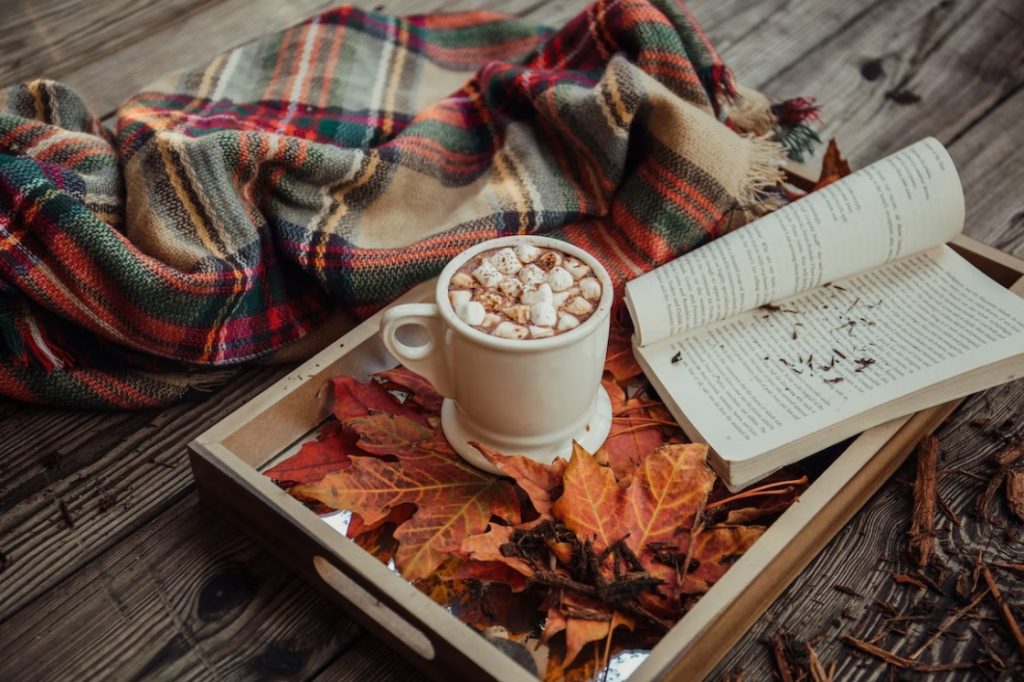
As the leaves change from green to golden amber – while they look charming – they bring a host of allergens that can trigger symptoms you’re unlikely to see across the rest of the year. 

Autumn weeds produce new pollen types. Mould spores grow from fallen, rotting leaves, soil, compost heaps, and dead plants. And indoor allergens are on the rise. 

Let’s explore these together. 

Autumnal pollen

As the seasons take a turn, so do the flowering weeds. Common to autumn, you’ll likely find common dock weed, ragweed, mugwort, nettles, sorrel and plantain. Ragweed, in particular, is a notorious nuisance. It grows fast and produces exceptionally high pollen levels from the end of August to November (or until the first frost). If you’re experiencing a ragweed allergy, you might be experiencing fever symptoms like sneezing, itchy eyes, and congestion. Additionally, mugwort pollen makes for quite the autumn allergy cocktail. 

The rise of the mould spores

Falling leaves can be magical in the autumn months. But not for those with an allergy to mould spores. These spores thrive in damp, decaying matter; of which, autumn is the perfect breeding ground. Fallen leaves, especially when wet, become hotspots for mould growth. These tiny spores can cause allergic reactions and exacerbate asthma symptoms when inhaled. Dampness is a boon for mould spores, making it essential to take precautions to minimise exposure if you have a mould spore allergy. 

Indoor allergens take centre stage 

 As days get darker and damper, we tend to hibernate and spend more time indoors. By doing so, we create a different sort of allergen hotbed. Being inside increases dust buildup, leading to mites, pet dander, and indoor moulds. As it gets colder outside and energy prices have no intentions of dropping, we’re more likely to keep windows and doors closed, keeping all the allergens circulating inside, increasing exposure. 

So, how can you manage autumn allergens?

The changing season doesn’t have to mean surrendering to allergies. Here are a few proactive steps you can take:

Know your triggers

Before taking prevention, knowing what is specifically causing discomfort is your first port of call. When you know the issue, you can arm yourself against autumn allergens by minimising your exposure.

Autumn clean

It’s like a spring clean, but after the summer, not before it. Swap out lighter bedding for warmer, allergen-proof bedding. Pull out all your furniture where you can and give a thorough clean and hoover. Autumn means closing windows and doors to keep outside allergens from coming in, but it puts you between a rock and a hard place because that also prevents indoor allergens from getting out. Investing in an air purifier can be a handy middle ground. 

Stay informed

As you would with pollen counts in the summer, keep monitoring pollen counts and mould levels in your area. On days when allergen levels are high, you can make an informed choice on whether or not to stay inside. 

The vibrant hues of autumn leaves are on their way, but so are seasonal allergies. The good news is that you don’t have to lock yourself away until the spring. Let’s take the first steps to uncover any potential seasonal allergens causing discomfort. Our allergy experts can guide you through the process, from testing to advice you need to live a comfortable life. Simply register as a new patient or call us on 02031 433 449.

Why you shouldn’t ignore your seasonal allergies

seasonal allergies

Why you shouldn’t ignore your seasonal allergies

We’ve spent a lot of time talking about seasonal allergies – or, as they’re also known, hay fever or allergic rhinitis. There are plenty of blogs on this very site talking about dos and don’ts, what you can do to make them better, and even how climate change can make them worse.

But still, it’s only hay fever, right? What’s the worst that can happen from a sniffly nose or itchy eyes? It’s not as if it’s life or death. Having such a blasé approach to your allergies can do more harm than good – even for a mild seasonal allergy. Let’s look at how you could be making your life more difficult by ignoring yours.

It’s not going to get better

While the symptoms might be annoying at the start, some people think they can just get used to them. They’ll go away on their own eventually, so why bother worrying about it now? Except our body isn’t going to magically heal or grow tolerant of the pollen. That’s the reason it’s reacting in the first place.

Even if you wait, you might be waiting for a long time. Due to climate change, pollen seasons seem to be starting earlier and lasting longer. In one study, they increased by 20 days between 1990 and 2018. And pollen concentrations have gone up 21% over that same time period.

It’s not something to ignore because it’s going to be constantly reminding you it’s there. Ask yourself, do you really want to be dealing with this for months and months?

In fact, it might get worse

As we said, allergies don’t just disappear. You might notice your seasonal allergies affect you less depending on where you are in the world, but your body’s intolerance to them won’t go away. They might do the complete opposite.

People can develop allergies at any age, and it stands to reason that they can get increasingly worse over time, too. Why this happens is hard to pin down, though some speculate repeated exposure to an allergen has its negative effects over the years. So while you try to ignore your allergies, they won’t be going anywhere. And the more you avoid taking the steps to address them, the more chance you give them to develop.

It’s not going to be nice

There can be a tendency with seasonal allergies to “wait out the storm”, as it were. After all, pollen season only lasts so long. Give it enough time and the symptoms will subside. But, as we said, this could be months and months of suffering. Do you want to wake up every morning with a blocked nose? A constant sore throat? Eyes watering at the most inopportune moments?

Even if you decide you can deal with them, why would you want to? As much as you may want to avoid the doctor’s clinic or remember to take an antihistamine every day, the alternative is infinitely more trying.

While seasonal allergies can be annoying, ignoring them will never be the solution. You save yourself a lot of the hassle by being proactive and taking care of any symptoms before they even appear. It’s also not something you have to deal with alone. Talk to a professional today to take some of the burden off your shoulders and enjoy your springtime.

If you ever need advice about your seasonal allergies, get in touch with our team of allergists today. Simply call us on 02031 433 449 or register as a new patient here.

5 seasonal allergy dos and don’ts for this summer

seasonal allergy dos and don’ts

5 seasonal allergy dos and don’ts for this summer

It’s that time of year for around a quarter of people in the UK. Yes, it’s time for seasonal allergies. Call it hay fever or allergic rhinitis, it’s all the same: runny noses, scratchy throats, and itchy eyes. It makes the spring and summer months almost unbearable for some, depending on the severity of their symptoms.

And every year you might end up asking yourself the same questions. What’s the pollen count? Is it worth going outside? Should I take an antihistamine now or later? Oh the joys. So to stop your fretting, we’ve put together some essential seasonal allergy dos and don’ts. Let’s look at how you can make your summer that little bit easier.

Don’t: Leave the windows open

We’ll start with a basic tip. As you’ll likely already know, it’s the pollen in the air that aggravates our hay fever and sets us off. So if you leave your window open, you’re practically inviting it into your home.

This goes double at nighttime. If you leave the windows open in your bedroom while you sleep, not only do you let the pollen inside, you let it affect you while you don’t even notice. Next thing you know, you’ll wake up with a stuffy nose and dry throat, getting your day off to the worst possible start!

Do: Take more frequent showers

It’s inevitable that, at some point, you’re going to have to leave your home and go outside. And when you do, you’re walking amongst the pollen in the air. It will stick to your clothes, in your hair, and on your pets (if you have any).

So when you get home, make it a habit of first changing clothes (to avoid spreading the pollen on your furniture) and preferably have a shower too. This way, you wash any pollen off your skin and out of your hair. Pets can’t escape this either. Give them more frequent baths to get rid of any pollen clinging to them.

Don’t: Dry your clothes outside

Sometimes, there’s nothing better than putting on fresh, air-dried clothes. Other times, there’s nothing worse. The pollen that sticks to you when you go for a walk is just as likely to stick to any clothes you hang up outside.

If you don’t have a tumble dryer, you’re better off doing them inside in a cool room. You may want to invest in a dehumidifier to draw out some of that excess moisture and prevent it from affecting your room.

Do: Keep up your exercise routine

From our tips so far, you might think you’re better off just avoiding going outside altogether. But that’s excessive – you can still enjoy the outdoors, just with a little extra caution. And this still applies if you like to go for a jog.

If your idea of exercise involves heading outdoors, you can still do that as long as you change when you go out. Pollen levels are, typically, higher in the morning and evening. So instead of that 6am stroll, maybe move it to your lunch break.

Don’t: Overmedicate

Antihistamines are an over-the-counter medication you can buy at any good supermarket or chemist. And they’re almost essential for people with hay fever as it greatly reduces the severity of symptoms. So, to some people, it may make sense to have one or two more than the recommended dose.

You should never do this. Always follow the advice on the box and talk to your doctor before you take any extra self-medication steps. Those guidelines are there for a reason, and overmedication can do more harm than good. Talk to your GP or an allergy specialist if you find antihistamines aren’t doing enough for you. They may be able to prescribe a stronger alternative.

And those are our seasonal allergy dos and don’ts! Some of them are common sense but just might not occur to you in your day-to-day life. But now that you know them, you can spend more of your summer enjoying the weather than blowing your nose.

If your seasonal allergies are interfering with your life, then get in touch. Our allergists can help you with your hay fever and ensure you don’t have to suffer more than necessary. Reach out on 02031 433 449 or register as a new patient today.

Different allergy reactions and what they mean

allergy reactions

Different allergy reactions and what they mean

If you’ve never experienced an allergic reaction before (at least as far as you know), you might not be aware of how they present themselves. Because there’s no such thing as one single “allergic reaction”. Symptoms are wide and varying, and will differ from person to person, allergy to allergy.

But it’s always worth being aware of what they look or feel like. Either for yourself if you ever develop one later in life, or to recognise when someone else is facing an allergy attack. Now, we’ll say this: this blog isn’t a list of every allergy. That’s impossible since there are so many of them! Instead, we’re going to look at the most common ways allergies can appear in a person – and what they might mean.

Skin allergies

Some allergies will present on the skin. These are usually the easiest to spot as the evidence will be quite obvious. The reaction we see is the result of our immune system attacking the skin cells where something has come into contact with it. Symptoms may include:

  • Rashes
  • Hives
  • Blisters
  • Itching
  • Burning sensation

Common triggers of a skin allergy include soaps, shampoos, cleaning products, detergents, and fabric softeners. And it might happen even if it’s not direct contact with the product. For example, your skin might react when wearing a jumper that was washed with a particular detergent. You may also see a reaction break out when you come into contact with metals, jewellery, or even latex.

Food allergies

Most people will be familiar with food allergies as they’re often in the news, for better or worse. You’ll likely know the most common ones – peanuts, soy, and shellfish being some of the biggest culprits.

Symptoms of food allergies can vary, and can include skin reactions that we mentioned in the last section. But what many people will think of when it comes to food allergies is the effect it has on our respiratory system. They can cause:

  • Difficulty breathing
  • Swollen lips and throat
  • Wheezing
  • Coughing

And, at its worst, food allergies can lead to anaphylaxis. This is a potentially fatal symptom where a person’s blood pressure drops, their breathing becomes laboured, and they can pass out. This can eventually – and quickly – lead to death, and has to be treated with an immediate epinephrine injection (i.e. an EpiPen).

Seasonal allergies

Some allergies only present themselves at certain times of the year. These are called “seasonal allergies”. The main one you’ll hear about is hay fever, and most seasonal allergies are lumped together. But in truth, different people are affected at different times.

While hay fever is a reaction to pollen, what type of pollen is the key factor. Some react to tree pollen in the spring. Others react to grass pollen in the summer. And some might react to weed pollen in the autumn. Whichever it is, the symptoms tend to be similar:

  • Blocked nose
  • Itchy eyes and throat
  • Sneezing
  • Tiredness

This is just scratching the surface of how allergies can affect us. We haven’t begun to look at all of the potential triggers. Insects, drugs, chronic urticaria, cow’s milk allergies in babies – all worth talking about. If you want to find out more, take a look at the rest of our blog. Or get in touch with us to ask any burning questions you might have.

When you need an allergy specialist to help you with your symptoms, get in touch with us. You can register as a new patient or simply call us on 02031 433 449.

Autumn allergies: three triggers that might affect you

Autumn allergies

Autumn allergies: three triggers that might affect you

Autumn is a beautiful time of year. The weather starts to cool (which I’m sure we’ll all appreciate this year), the hues of orange and red come out, and we’re only a stone’s throw from Christmas. There’s a lot to love about this season. Unless you have allergies. Then it might not be such a walk in the park.

Much like summer has many hay fever sufferers, well, suffering, autumn is a bad time of year for many. They might have similar blocked noses and itchy eyes. Certain autumnal favourites cause them distress. Or the prospect of trick or treating might make them worry about their child’s allergies.

Let’s take a look at some autumn allergies and what they mean for some people.

Seasonal allergies

Hay fever might be seen as a summery allergy, but it affects different people at different times. This is because it depends on what kind of pollen you’re allergic to. Those who suffer from hay fever in summer are likely sensitive to grass pollen, while those who get it in spring can blame it on trees.

For people with autumn allergies, you can blame it on weeds. Ragweed is the biggest culprit, and its pollen can travel for hundreds of miles on the wind, making it hard to avoid. To make it worse, 75% of people allergic to spring plants will also react to ragweed.

You might find it hard to avoid it in your food, too. Pollen food syndrome is when you react to certain pollen-bearing fruit, and it shares many of the same symptoms as hay fever. Fruits affected by weed pollen can include banana, melon, and watermelon. So it might be worth avoiding them.

Pumpkins

Pumpkin spice latte has become the unofficial drink of the season. But can you be allergic to it? Like many things, yes you can, but it’s incredibly rare. There are only a handful of documented cases, mostly in children. And their reaction was what you’d expect from a food allergy.

So on the very slight chance you or someone you know is allergic, here are the symptoms to look out for. If it touches your skin, there might be a rash. Any contact with your face may cause eye itching and lip swelling. And ingestion can lead to difficulty breathing and anaphylaxis. If you experience any of these after coming into contact with pumpkin, talk to your doctor.

Halloween

This spooky time of year is a favourite with children who can’t wait to go trick or treating. But any parent of a child with a food allergy likely knows the anxiety that comes with it. You can’t control what people give your child, and you can’t vet their sweets as you walk. So what can you do?

This is the time for due diligence. And you might have to be the bad guy. You’ll need to assess every sweet they get to ensure it doesn’t set off their allergies. Here’s our big tip: for every piece you have to remove, replace it with something they’ll love. Either an approved snack they like or a toy. That way, they’re not losing out.

Autumn allergies can really ruin the mood of the season. But it doesn’t have to be such a huge strain on your life. By staying aware of what might affect you, you can avoid any unnecessary symptoms. And if your allergies really start to get to you, always talk to your doctor or an allergy specialist about the next steps.

We’ve always got an open ear. If you ever feel you need to discuss your allergies, or if you need some advice, reach out to our team. A specialist is always happy to help. Just call us on 02031 433 449 or register as a new patient here.

Is hay fever worse in 2022? And what is thunder fever?

Is hay fever worse

Is hay fever worse in 2022? And what is thunder fever?

We’ve talked at length about how annoying hay fever can be. When you just want to enjoy the summer sun, the last thing you want is a runny nose, scratchy throat, and itchy eyes. And if you ask some people, this year has been a particularly bad one.

But is there anything to it? Has 2022 been especially filled with pollen? Let’s take a look at what the Met Office has been saying, why some people keep talking about ‘thunder fever’, and if there’s anything you can do about it.

Is hay fever worse this year?

The short answer is yes and no. No because, according to the Met Office, this year’s pollen levels haven’t been noteworthy. Not compared to previous years at least. 

Instead, they attribute increasing hay fever symptoms to the weather. Because we had a warm spring – and a wet one too – the pollen may be more “potent”. And the sunny weather we’ve been having recently will encourage plants to release this potent pollen.

Dr Luke Powles of Bupa also threw out the theory that COVID restrictions could have played a part. By staying indoors more, we’ve had less contact with pollen, which means our body hasn’t built up a bit of immunity to it.

What about thunder fever?

You might have seen stories about ‘thunder fever’ and how this might also exacerbate allergies. So what is it? Thunder fever refers to the event when thunderstorms and high pollen levels combine. The wild winds of the thunderstorm whip up pollen into the air, dispersing it around. 

Thunder fever also affects people with asthma as the humid weather and high levels of pollen make it harder to breathe. The name comes from a spate of people dying from asthma attacks during thunderstorms in Australia in 2017.

Another term you might see combined with this in the media is ‘super pollen’. This is referring to the thunderstorms breaking up the potent pollen into smaller particles, thus making symptoms even worse. The Met Office stresses that super pollen – and thunder fever – aren’t scientific terms and are still being researched. So take these stories with a good pinch of salt.

Advice for treating your hay fever

Pollen is the culprit causing your hay fever, so you want to avoid it where possible. In your home, this means opening your windows less frequently – especially while you sleep. We know this sounds unbearable, but leaving your windows open is an invitation for pollen. And when it gets inside, it’s going to stick to your furniture.

Speaking of which, cleaning more is also a good idea. Vacuum and dust everything frequently to keep the pollen at bay. If you have a cat or dog that’s been outside, they might have pollen stuck to them. So keep them off the furniture, at least until you’ve given them a bath.

Other than that, standard antihistamines will help. Though if you are unsure, consult your GP – or an allergy specialist – first. This year might feel bad for hay fever sufferers, but hopefully arming yourself with this information will make it easier to avoid any allergy outbreaks.

If you have any questions about your hay fever (or other conditions such as asthma), reach out to our team on 02031 433 449. You can also register with us as a new patient here.

COVID-19 or seasonal allergies? How can you tell the difference?

COVID-19

COVID-19 or seasonal allergies? How can you tell the difference?

The UK has never seen such a situation. The country is in lockdown and the coronavirus is jumping from person to person. It has everyone worried about their health, on the lookout for any symptoms.

It has just happened to hit us as we head into spring. This will no doubt cause some confusion for people who have seasonal allergies. When you get sick, how do you know if it’s COVID-19 or just your hay fever? Luckily, the two are different enough that it isn’t too hard to tell. Let’s take a look.

Symptoms of allergies

Springtime brings lovely blooming flowers and budding trees, but for seasonal allergy sufferers, it can be a nightmare. If you have seasonal allergies, you should already be in tune with the symptoms you regularly experience, which can include:

  • Runny nose
  • Itchy eyes
  • Sneezing
  • Skin rashes
  • Phlegmy cough

These symptoms come from your body trying to get rid of the allergens. They are usually not life-threatening – more of an annoyance. Some of them will probably sound familiar, so be aware of any of these popping up.

Symptoms of COVID-19

Some of those symptoms above can also be symptoms of a cold or flu, which is making people worried about this new coronavirus. But there are two main symptoms experts are telling us to look out for:

  • Fever
  • Persistent, dry cough

Neither of those are symptoms of seasonal allergies. Yes, you might have a cough with hay fever, but it tends to be more mucusy because it is a side effect of your blocked nose. With COVID-19, you also need to look out for a shortness of breath

Some people have reported having cold-like symptoms with COVID-19, but with colds and flus still running rampant, it’s hard to tell which is which. So stick to those main symptoms. Another bizarre one is a loss of smell and taste, but you shouldn’t rely on that for a diagnosis.

So, as you can see, seasonal allergies and COVID-19 are very different. If you have a runny nose and itchy eyes, follow the advice to relieve your symptoms. If you have a fever and/or a cough, seek out the appropriate medical advice on the government’s website and monitor it. You should always take your health seriously and, hopefully, this advice helps you feel better as this situation continues.

At London Allergy & Immunology Centre, we always recommend speaking to a professional about any new symptoms. If you think you have COVID-19, get in touch with the NHS on their website. If you think it is an allergy, feel free to speak to us. Get in touch on 02031 433 449.

‘Tis the season… to be cautious of our allergies!

Christmas allergies

‘Tis the season… to be cautious of our allergies!

Christmas is fast approaching, and it’s a wonderful time to kick back, relax, and enjoy time with family and friends. But while we enjoy some much-needed time off over the festive period, allergies love to stick around.

The last thing you want is to ruin Christmas with an allergic reaction. The symptoms will be unpleasant, you won’t feel yourself, and might miss out on some fun events. While you’re having a good time, try to keep your allergies in mind. A little extra caution and awareness will ensure you have the happiest and healthiest end to your year and start to the next one.

Am I allergic to my tree?

You’re getting into the festive spirit and have found the perfect tree. But ever since bringing it home you’ve been sneezing constantly!

What you’re dealing with isn’t an allergy to the tree itself, but most likely a reaction to mould spores. 5 to 20% of the population are allergic to mould, so you definitely aren’t alone. 

As you can imagine, a damp tree that’s been outside for years is a perfect home for mould. And once it’s in your house, you’ll be coming into contact with it a lot. Inhaling mould spores can trigger asthma or allergic symptoms.

Try shaking off your tree or giving it a hose down before bringing it inside. And perhaps add tissues to your Christmas list?

Keep up the cleaning

If you’re allergic to dust, you’ll likely suffer year-round. But things can get even worse over Christmas. 

We unbox decorations that have been up in the attic for the past year collecting dust. And we rely on heating, don’t open windows, and spend a lot more time indoors. Before long, your house turns into a snow globe of dust and your body doesn’t know if it’s coming or going.

With this in mind, keep on top of your cleaning. It’s easy to get distracted and put off cleaning in favour of being festive. But you’ll thank yourself in the new year when you aren’t celebrating 2020 with a huge allergic reaction.

Don’t forget about drinks!

You might be good at keeping on top of your food allergies, making friends and family aware of what to avoid. But let’s not forget about drinks!

We all know that sharing is caring over Christmas. But allergens can stay in saliva for several hours. It might only take one shared drink to ruin your celebrations.

Also, bear in mind the ingredients of drinks. It seems obvious now, but when you’re caught up in the good times, it’s easy to forget about the milk in Bailey’s, sulphites in wine, or gluten in beer.

We all love Christmas, right? Let’s vow to make this one a good one by protecting ourselves from allergens. No one wants to spend Christmas Day nursing an allergic reaction! Talk about dampened spirits.

If you want to book an allergy test and figure out what you should avoid over the festive period, give us a call on 02031 433 499.

Copyright 2026. All Rights Reserved

LAIC Main Menu