
Everything new parents need to know about allergies in babies
Posted: 2nd February 2022 | Posted by Costa
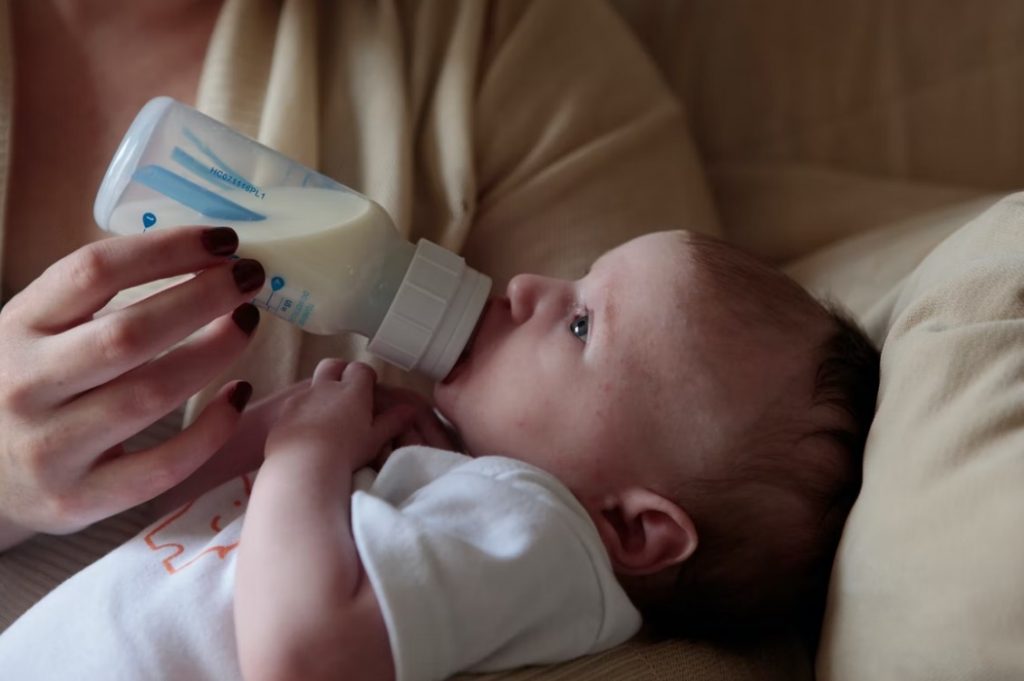
Everything new parents need to know about allergies in babies
Being a new parent is sure to bring about a million new questions. You suddenly have a baby to look after and figuring everything out is, frankly, overwhelming. And one area that many parents worry about is allergies – especially food ones.
Around 5% of children under the age of 5 have a food allergy. So the odds of your child having one isn’t out of the question. But what do you do? How do you even know? We know you’ll have burning questions just like these, so let’s jump into an FAQ about allergies in babies.
What causes food allergies in babies?
No one really knows why our bodies suddenly decide to be allergic to something. This means it’s hard to really explain what causes them. What we do know is that babies usually have to be exposed to the food first. For example, they might eat it once and be okay, but react the second time.
NHS advice is to introduce potentially allergen-risky food solely and in small amounts. This allows you to see if there’s any reaction without harming them.
What are the most common food allergies?
There are about nine common categories of food allergies. These are the most common ones you’ll come across:
- Milk
- Eggs
- Wheat (or other foods with gluten)
- Peanuts
- Tree nuts
- Sesame (and other seeds)
- Soy
- Fish
- Shellfish
How can you tell if a baby has a food allergy?
There are some common symptoms you might want to look out for. Food allergies usually happen within a few minutes of ingesting them. Some telltale signs include:
- Sneezing
- Itchy, watery eyes
- Coughing or trouble breathing
- Red rashes
- Worsening of asthma or eczema symptoms
- Anaphylaxis
You can tell when an anaphylactic shock occurs because the baby will have trouble breathing, may lose consciousness, and have a weakened pulse. This is a less likely symptom, but one that can be fatal.
What to do if they’re allergic?
The best advice is talk to your GP/your baby’s doctor and see what they recommend. They might go the route of a specific diet or advise you to stay away from certain foods. They should also be able to help you adjust to these new restrictions.
How do you keep your baby safe?
Follow any advice given to you by your baby’s doctor. At home, you’ll want to remove any food that contains something they’re allergic to. Check ingredients thoroughly as many of them can be in food without you realising.
We have plenty of blogs you can read as well. These will give you some more advice on how to adapt your lifestyle. We have some tips on what you can do, four facts worth knowing, and some advice worth having.
Other than that, maybe consider finding an allergy specialist to help. They’ll be specifically tuned into how best to handle any lifestyle changes. And they’ll more keenly understand your concerns and the appropriate treatment.
If you need an allergy specialist, whether it be for you or your child, get in touch with us. Our experts are always happy to help a parent in need. Register as a new patient here or call us on 02031 433 449.