Latest News and Info

What allergies to look out for in your vegan diet

vegan diet

What allergies to look out for in your vegan diet

Veganism is on the rise. The number of people looking for an animal-product-free life is increasing and now makes up 3% of the UK population. It might not sound like much, but that’s over 2 million people. And the UK market for meat substitutes is the largest in Europe, worth over 500 million euros.

Whether you do it because you love animals, are conscious of your impact on the environment, or just want to be healthier, then that’s fantastic! You do you. But a vegan diet doesn’t mean you can escape food allergies. And some might not get your attention until they become a major part of your diet.

So what are some vegan-friendly foods and meat substitutes that you should be aware of? Let’s take a look.

Tofu

Maybe the first thing many people will think of when it comes to vegan foods: tofu. It’s certainly one of the most well-known meat-substitutes. At face value, it looks like a plain white block – how can you be allergic to it?

Well tofu is made from soya beans, and soy can be a trigger for some people. This is something that you may run into in a meat-eating diet, too. Up to 60% of manufactured foods are believed to contain soya. So while tofu might make up a lot of vegan diets, it might not be appropriate for some.

Seitan

Seitan is similar to tofu. It’s a popular meat replacement and is perfect for vegan diets. Unfortunately for some, it is made from gluten, which will affect those with a gluten intolerance or coeliac disease.

Symptoms can include severe gastrointestinal distress – diarrhoea, stomach aches, indigestion, constipation, and the like. It can be an alternative to tofu – and vice versa – so if you’re allergic to one, the other might be the right choice for you.

Nut milks

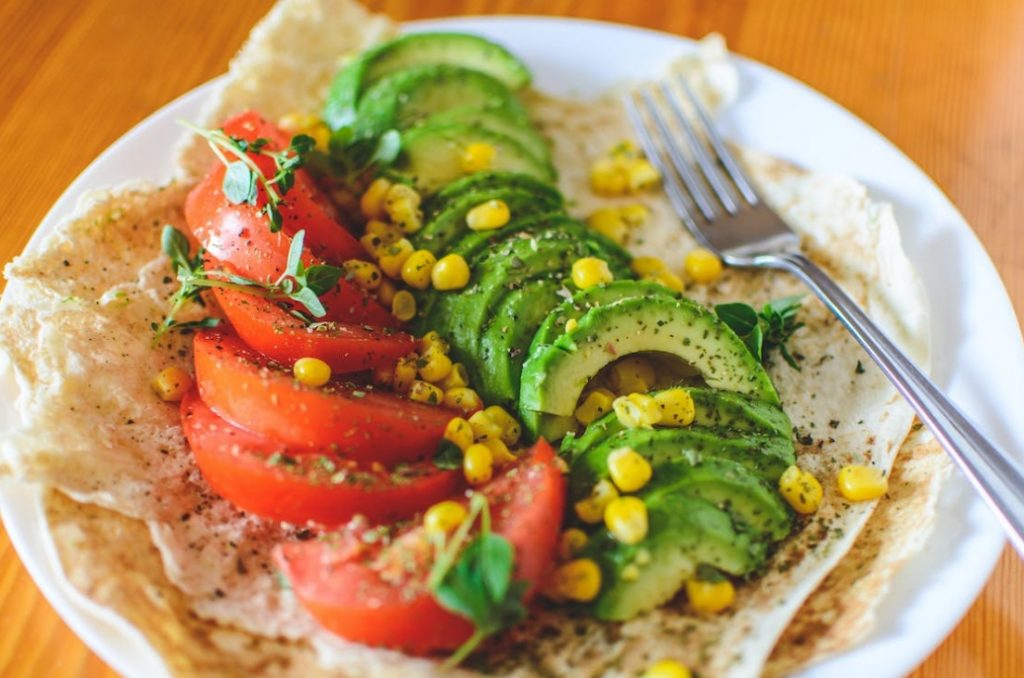
Obviously, in a vegan diet, you can’t have milk. It comes from an animal (usually a cow) and is considered inappropriate. The dairy alternative market has certainly skyrocketed in recent years partly because of this and people becoming more aware of their lactose intolerance. So much so that this market is predicted to be worth over $60 billion by 2029.

Now you have products like oat milk and almond milk. But for someone with a tree-nut allergy – specifically almonds – it’s going to cause trouble. This could happen in two ways. One, if a person is allergic to birch pollen, they will likely also react to almonds. Two, almonds themselves may cause a reaction, potentially leading to life-threatening anaphylaxis.

It’s something to always be aware of, especially if you’re going through a major diet change. And this doesn’t even go into oral allergy syndrome, which you might experience with certain fruits. Just because vegan alternatives are healthier doesn’t mean they’re safe for everyone. Watch what you eat, and make sure you’re staying happy and healthy.

If something in your diet is causing you distress but you aren’t sure what, then get in touch. Our allergy specialists can guide you through the process of figuring it out and giving you helpful advice to avoid it in the future. To find out more, call us on 02031 433 449 or register as a new patient with us.

How to talk to your child about their allergies

child allergies

How to talk to your child about their allergies

We spend a lot of time in our blog talking about how you, as a parent, can navigate the challenges of your child’s allergies. Whether it’s answering your burning questions, talking about allergies in infants, or just general food allergy tips, we have you covered. But we never cover how to talk to your child about their allergies.

And it’s important to do. You can’t be around them 24/7 and they deserve to know how to manage their condition. So let’s bring them into the conversation. We’ve got some advice for how you can talk to your child about their allergies.

Start simple (and young)

You don’t want to throw everything at them at once. They could potentially be dealing with something deadly, and that’s a lot to put on their shoulders. So you want to start simple when they’re younger and introduce terms and elements that will become more apparent in the future.

For example, you might want to start by talking about their symptoms in a way they can understand. Maybe certain food makes their tummy hurt, or they get itchy eyes in summer. Identify their biggest gripes and explain why they happen. Keep language simple by saying something like “some foods aren’t safe for you” or that “flowers can sometimes make people sneeze”.

What you’re doing is drawing a link between how they feel and the world around them. And you want to clarify that these things aren’t nice (for them) and that we have to be careful around them. “We” is also important here. It lets them know this is a journey for the both of you.

Get them involved

As they start to get older and are heading out into the world on their own more, you want them to be fully aware of their allergies. This is a great time to get them involved. If they’re allergic to peanuts, it’s all well and good telling them that. But they need to know how those will present themselves in their lives.

So involve them in everything you do to keep them safe. Take them shopping and point out foods they can and can’t have. Tell them why they shouldn’t have them. But don’t make it sound scary. Treat it as an educational experience that empowers them to live free of danger.

Another great idea if they have a food allergy is to involve them in cooking. This is another way to make their allergies seem less scary – they get to see how simple it can be to stay safe. If not food, then at least show them any medication they might come across. It’s better if they’re prepared for a future EpiPen use.

Teach them how to talk about their allergy

Another aspect of them heading out on their own is that they will have to learn to rely on others when they need the help. Sure, you can tell their teachers or childminders about their condition. But the child themselves will need to know who to go to and how to express their needs.

It’s another aspect of helping them navigate the world. They need to know how to say no to certain foods, telling others about the impact of their allergy, and who’s in charge should an emergency happen. If you empower them to take charge of their allergy like this, you can be more confident in their safety. You can put at least a little trust in them!

None of this is easy to grapple with as a parent. And we completely understand that feeling of sheer trepidation at having to let them take care of themselves. But we have to let them do it. By preparing them and teaching them to own their allergies, you can give them the greatest chance of living happy and free. Like a child should be.

Going it alone is tough. So if you ever need advice – or even just someone to talk to – get in touch with us today. Our allergy specialists have worked with parents just like you to create a better life for your child. Call us on 02031 433 449 or register your child as a patient here.

Are inorganic food additives to blame for our allergies?

inorganic food additives

Are inorganic food additives to blame for our allergies?

Sometimes, in life, not everything has an answer. And allergies are no different. While there are plenty of theories out there, there’s no singular concrete explanation for why we develop allergies. For some, they develop them as young children. Others develop them later in life. It’s a bit of a mystery.

So it’s no surprise that plenty of research goes into trying to find out what’s going on. And one recent review has thrown its own ideas into the ring. But does it get us any closer to finding an answer? Let’s take a look and see what it has to say…

The review

A team including Mohammad Issa of Université Paris-Saclay conducted a thorough review into the effects of something called ‘nanoparticles’ on our health. Specifically, those used throughout food production. They set out to look into how these nanoparticles affect babies when ingested by the mother.

The theory was that an increase in the use of inorganic nanoparticles was playing its part in rising allergy cases. And that unaware mothers were passing these on through the placental barrier or breast milk, thus increasing the risk of food allergies in their babies and infants. The full review is quite complicated, so let’s break down where these nanoparticles come from.

Nanoparticles

The review highlights three main areas where nanoparticles are likely to enter our system. First, they mention phytosanitary products – these are products used in agriculture to protect plants. They’re likely to be fertilisers or pesticides.

Then there are processing aids, which are used during food production but aren’t usually listed in the ingredients. Their purpose will be different from food to food. But they could be something used to elongate shelf-life or stop a build-up of foam.

Finally, there are ‘food contact materials’ – i.e. objects or surfaces that food will come into contact with during food production. Think storage tanks, worktops, conveyor belts, and so on.

What all three of these have in common is that nanoparticles are being used more and more often. They greatly benefit the food production process, making it quicker and easier to prepare food. But this review aimed to look at the potential long-term impacts of using these.

What does this all mean?

As of right now, it doesn’t necessarily mean anything. This is a review, not a study; it wasn’t looking at a direct connection between nanoparticles and allergies. All it sought to do was point out that nanoparticles can cross that placental barrier. And when they do that, it can affect intestinal microbiomes which can, in turn, potentially lead to allergies.

It’s more saying “there may be a link we need to be aware of” than outright confirming they’re connected. That’s not to say it isn’t worth it. It’s reviews like these that force us to take a step back and ask if nanoparticles are the right thing. And it’s another step towards potentially pinning down exactly where allergies come from.

Karine Adel-Patient, who was part of the review, said it best: “The impact of such exposure on the development of food allergy has not been assessed to date. Our review highlights the urgent need for researchers to assess the risk related to exposure to foodborne inorganic nanoparticles during a critical window of susceptibility and its impact on children’s health.”

As always, we’ll keep you up to date with any other reviews and studies into allergies as they come along.

If you ever have any questions about your allergies, or those of your children, feel free to get in touch with us today. Our allergy specialists are always ready to answer any queries you have. Just call us on 02031 433 449 or register as a new patient.

3 New Year’s allergy resolutions to make your 2023 the best year yet

New Year’s allergy resolutions

3 New Year’s allergy resolutions to make your 2023 the best year yet

How have your allergies affected your 2022? Do you feel like you’ve held back? That they’ve stopped you from really going for broke in your life? Maybe they’ve prevented you from dining out as much as you’d like. Or just left you feeling rundown most of the time. That’s the impact of allergies, and a big reason why living with them is such a pain.

But let’s commit to a better 2023. As we get towards the new year, now is the time for resolutions. Except this time, you’re going to take it seriously. You’re going to use it to beat back your allergies. So let’s look at some New Year’s allergy resolutions and get you ready for an amazing year ahead.

Resolution: Take your diet seriously

We’re probably all guilty of treating ourselves a bit too much, especially over the festive period. And sometimes eating something that tastes good takes priority over our own health. Let’s resolve to eat better and save our bodies from the strain.

For example, if you have lactose intolerance (not an allergy but still worth mentioning), make this the year you cut back on dairy. Look for dairy-free alternatives so your stomach isn’t constantly in pain.

Also, eating healthier has been shown to help our bodies fight our allergies. People eating two or more servings of vegetables a day were suffering less from their asthma than those who weren’t. And diets high in starchy foods, grains, and nuts were less likely to show chronic symptoms of allergic rhinoconjunctivitis.

Resolution: Put your health first

It’s not just about your diet. Committing to a healthier lifestyle can also help our allergies. Let’s take sleep as an example. Getting a good night’s sleep regularly can help you get sick less often and lower your risk of health problems. So sleeping well may make it less likely your allergies flare up. Say no to the late nights in 2023!

This also might mean cleaning more. People with allergies may be more susceptible to a buildup of dust, pet dander, or pollen. And letting that just sit in your house is asking for trouble. So make this the year that you actually stick to your cleaning routine.

Earlier in the year, we also mentioned creating your own allergy emergency kit. This is everything you need in case something goes wrong, and if you don’t have one already, now is the perfect time to put one together. If you do have one, resolve to update it throughout the year.

Resolution: Be a better ally

Maybe you don’t have an allergy. That doesn’t mean you can’t have an allergy-related resolution. Use this time to commit to paying more attention to the conditions of your friends and family.

When you cook for people, keep their food allergies in mind. Make an effort to prepare their food in a more sterile environment, reducing any risk of contamination. Or just be there for them. Reach out and make sure they’re feeling okay and aren’t too down about their allergy. We’ve written plenty about being a good allergy ally, from buying them gifts to thinking twice about your behaviour.

Beyond that, make your New Year’s allergy resolution a commitment to just have fun. To live a little and not let it hold you back. Make this the year that you eat out more, stand up for yourself and your allergy, and don’t let it stop you from doing whatever you want. Doesn’t that sound like a great 2023 to you?

Your allergy doesn’t have to control your life. For honest advice from an allergy specialist who can help you manage your condition, register as a patient today. Our team is always happy to help. You can call us on 02031 433 449.

Your allergy-free gift-buying guide for 2022

allergy-free gift-buying

Your allergy-free gift-buying guide for 2022

Christmas is a wonderful time of year. It’s filled with good food, great people, and even better times. But do you know which part is always frustrating? Yes, it’s buying gifts for other people. Everyone knows someone who swears they don’t want anything, or the person who already has everything in the world.

But do you know what else you should be considering when you buy someone a gift? Their allergies. They can present themselves in ways you may not even imagine. So whether you’re buying something for a loved one or just treating yourself, here’s our advice for some allergy-free gift-buying this year.

What not to buy

Let’s start with the gifts you shouldn’t be buying. Or at least you should be thinking twice before buying them. Here are some present categories that might catch you off guard:

Soaps and perfumes: This is always an easy gift to get someone. Everyone loves smelling good. But some soaps and perfumes can aggravate a person’s allergies. They can cause contact dermatitis, leading to itchy skin, red patches (or brown/purple patches on people with darker skin), and blisters.

Clothing: People can be allergic to various materials commonly used in clothing. Cotton, for example. Or latex. Another one is leather. So if you’ve found the perfect pair of leather boots for someone, make sure they don’t make them break out in a rash first.

Jewellery: It’s the same with jewellery, too. The nickel in most jewellery can cause some people to break out in itches and hives. So rings, necklaces, bracelets, and earrings might be off the table.

Food and drink: This one might be obvious, but is worth repeating. If you’re going to get someone a sweet treat this Christmas, look at the ingredients. If you know someone allergic to nuts, double check to make sure there are none included. Or stay away from them altogether.

What should you buy instead?

The great news is that there are plenty of alternatives! And if you really want to show you care, there are some choices directed specifically at allergy sufferers. Here are some ideas for you:

Anti-allergy bedding: If you know someone who’s allergic to dust mites, this might be a good purchase. You can get bedding or pillows. They’re machine washable and better at keeping dust mites at bay.

Air purifiers: Why not get them a gadget? An air purifier can remove airborne allergens from the air. Just make sure they have a HEPA or ion filter as these are better equipped at removing particles.

Allergen-free cookbook: Don’t want to risk getting them food? How about a cookbook instead? The upside here is they might make something for you one day!

Get something personal: When all else fails, get them something personal. A small trinket like a photo of you together, or some sort of home decoration. Sometimes it’s not what you buy that matters, it’s what it says.

We can’t solve all your gift-buying woes, but hopefully this has made you think about your friends and family with allergies. Now all that’s left to do is brave the shops (or stay cosy at home and do it online) and then wrap it all up.

Are you concerned about your own allergies or those of your children? You don’t have to go through it alone. Our team of allergy specialists can help you have a comfortable Christmas. Register as a new patient today, or call us on 02031 433 449.

How to know if a restaurant takes food allergies seriously

restaurant food allergies

How to know if a restaurant takes food allergies seriously

When you have a food allergy, eating out can be a risk and huge source of anxiety. And if this describes you, we wouldn’t blame you. If you accidentally trigger your allergies, it can cause great discomfort or, at worst, death. So it’s no surprise that some people just choose not to dine out at all.

But maybe you don’t want to do that. Maybe you want to go out and enjoy yourself. And you deserve to do that! So how can you ensure you’re as safe as possible? How can you make sure that any restaurant you go to will treat your food allergies seriously? Let’s take a look at some of our advice.

Know your laws

First, it pays to know your food allergy related laws. There are two main ones that have come about in recent years, with one in particular worth knowing. 

Natasha’s Law is the first. Named for Natasha Ednan-Laperouse, who died after eating a pre-packaged baguette, it dictates that any food business selling pre-packaged foods must include a full ingredient list on the label.

Owen’s Law, named for Owen Carey who died after eating a burger containing buttermilk, makes it so restaurants in the UK are legally obligated to include information about the top 14 allergens on their menus. This is particularly important in this blog. If you can’t find this information, it tells you that this restaurant isn’t taking your condition seriously. In fact, they would be specifically flouting the law.

Call ahead

Having a food allergy means you have to get good at putting your foot down and not being afraid to say what needs to be said. So don’t think twice about calling ahead to a restaurant. Try to speak to either the manager or head chef.

The reason for this is you’re trying to gauge their reaction. If they’re happy to talk with you respectfully, and answer any questions, you know that they’re serious. They don’t have to be difficult questions; just a few lowball allergy questions to see if they’re on the ball.

Make yourself known

Similarly, when you first arrive, try to talk to someone in person. Preferably the same person you talked to on the phone. This allows you to re-establish your allergy needs and judge face-to-face whether they’re following protocol.

Now is a good time to ask deeper questions, such as how they prepare allergy-specific food. Throw in a couple of keywords, such as “cross-contamination”, to see how they respond. You want to find out that they prepare allergen-free food in a separate area to prevent the possibility of cross-contamination. If you don’t find their answer believable, don’t be afraid to leave.

What information is available?

The menu is a good place to start, as per Owen’s Law. But also look out for other good signs. Is allergy information easy to see around the restaurant, such as right as you walk in? Do staff ask you about any allergies as soon as you sit down?

These are good signs that the restaurant has specific rules to avoid any allergy attacks. It shows they’re aware of how serious this is and are acting professionally. If information is hard to find or staff don’t really know what they’re talking about when it comes to allergies, it shows you they don’t have something as simple as allergy-aversion training.

This is your life, and you deserve to be able to live it free from worry. So don’t settle for less when it comes to dining out. The more you practise these skills, the better you’ll be at judging restaurants. And the better you are, the safer you’ll be.

Don’t let your allergies bring you down. If you ever need any more advice on how to work around your food allergies, get in touch with us on 02031 433 449.

Different allergy reactions and what they mean

allergy reactions

Different allergy reactions and what they mean

If you’ve never experienced an allergic reaction before (at least as far as you know), you might not be aware of how they present themselves. Because there’s no such thing as one single “allergic reaction”. Symptoms are wide and varying, and will differ from person to person, allergy to allergy.

But it’s always worth being aware of what they look or feel like. Either for yourself if you ever develop one later in life, or to recognise when someone else is facing an allergy attack. Now, we’ll say this: this blog isn’t a list of every allergy. That’s impossible since there are so many of them! Instead, we’re going to look at the most common ways allergies can appear in a person – and what they might mean.

Skin allergies

Some allergies will present on the skin. These are usually the easiest to spot as the evidence will be quite obvious. The reaction we see is the result of our immune system attacking the skin cells where something has come into contact with it. Symptoms may include:

  • Rashes
  • Hives
  • Blisters
  • Itching
  • Burning sensation

Common triggers of a skin allergy include soaps, shampoos, cleaning products, detergents, and fabric softeners. And it might happen even if it’s not direct contact with the product. For example, your skin might react when wearing a jumper that was washed with a particular detergent. You may also see a reaction break out when you come into contact with metals, jewellery, or even latex.

Food allergies

Most people will be familiar with food allergies as they’re often in the news, for better or worse. You’ll likely know the most common ones – peanuts, soy, and shellfish being some of the biggest culprits.

Symptoms of food allergies can vary, and can include skin reactions that we mentioned in the last section. But what many people will think of when it comes to food allergies is the effect it has on our respiratory system. They can cause:

  • Difficulty breathing
  • Swollen lips and throat
  • Wheezing
  • Coughing

And, at its worst, food allergies can lead to anaphylaxis. This is a potentially fatal symptom where a person’s blood pressure drops, their breathing becomes laboured, and they can pass out. This can eventually – and quickly – lead to death, and has to be treated with an immediate epinephrine injection (i.e. an EpiPen).

Seasonal allergies

Some allergies only present themselves at certain times of the year. These are called “seasonal allergies”. The main one you’ll hear about is hay fever, and most seasonal allergies are lumped together. But in truth, different people are affected at different times.

While hay fever is a reaction to pollen, what type of pollen is the key factor. Some react to tree pollen in the spring. Others react to grass pollen in the summer. And some might react to weed pollen in the autumn. Whichever it is, the symptoms tend to be similar:

  • Blocked nose
  • Itchy eyes and throat
  • Sneezing
  • Tiredness

This is just scratching the surface of how allergies can affect us. We haven’t begun to look at all of the potential triggers. Insects, drugs, chronic urticaria, cow’s milk allergies in babies – all worth talking about. If you want to find out more, take a look at the rest of our blog. Or get in touch with us to ask any burning questions you might have.

When you need an allergy specialist to help you with your symptoms, get in touch with us. You can register as a new patient or simply call us on 02031 433 449.

What you need to know about soy allergies

soy allergies

What you need to know about soy allergies

Soy is one of those ingredients you don’t realise is as popular as it is. But take a look in your food cupboard and you might be surprised. Obviously, you have something like soy sauce. Then you also have lots of Asian cuisine that uses it, soy milk is an incredibly popular choice for those with lactose intolerance, and plenty of meat alternatives use it too.

It’s also one of the most common allergens out there. In fact, it’s part of what some call the “Big Eight” – eight ingredients that account for 90% of all food allergies. So considering how likely you are to come across it, what do you need to know about soy allergies?

Symptoms of soy allergies

As a reaction to soy is a food allergy, you’re going to see a lot of the same symptoms. At the milder end of the scale, this might include:

  • Hives
  • Stomach cramps
  • Swelling around the tongue and/or lips
  • Vomiting
  • Diarrhoea

But, as with many other food allergies, reactions can also be quite severe and – in the worst cases – life-threatening. Symptoms to look out for in this case are:

  • Difficulty breathing
  • Closing throat
  • Dizziness
  • Anaphylaxis

With that last one, you’ll also notice a weak pulse as an anaphylactic shock causes a person’s blood pressure to drop dangerously low. If this ever occurs, seek medical attention immediately.

What to avoid

We mentioned a few foods earlier that you need to avoid, but the list can grow quite long. Here are some of the most common places you’ll find it:

  • Soy sauce, milk, oil, and other such products with “soy” in the name
  • Edamame
  • Miso
  • Tofu and other meat alternatives

This is particularly risky for vegetarians and vegans, as soy is often used in foods made for this market. Though we stress it’s important to check ingredients no matter the food. Soy can be in various canned goods, biscuits, meat, sauces, and even soaps. So it pays to be vigilant.

How to treat

If you suspect you have a soy allergy, it’s better to be safe than sorry and avoid anything with soy in it. At least until you can get a proper confirmation. If there’s a risk of anaphylaxis, you may have to start carrying an EpiPen with you to treat the reaction.

Soy allergies are prevalent in children, but some evidence suggests that roughly 50% of them will outgrow it by age 7. And 70% will by age 10. If you have the condition as an adult, the chances of it disappearing might be low. The ultimate way to treat a soy allergy? Get tested. An allergy test will clarify the issue quickly.

It’s important to work with an allergy specialist, as they will be best equipped at tackling your condition. They will be able to carry out the appropriate tests and give you the advice you need to live a happier and healthier life.

Don’t let your allergies bring you down. Our allergists work day in, day out with people just like you, and help them manage their allergies better. To find out more, you can always call us on 02031 433 449. Or you can register as a new patient here.

Four allergy myths – and the truth behind them

allergy myths

Four allergy myths – and the truth behind them

When it comes to allergies, it feels like there are a lot of rumours and misconceptions flying about. Eat this. Do that. Exercise more. Exercise less. It’s hereditary. It’s random. There’s no one easy answer, unfortunately. But it doesn’t stop people throwing out baseless ideas.

So we thought we’d look at some common allergy myths and give you the straight facts about them. And if we don’t have the answer you’re looking for, maybe the rest of our blog can help? Right, let’s jump right in!

Myth 1: Lots of people have allergies

It’s true that allergy diagnoses have been on the rise. But this probably makes it seem more common than it is. While there are various numbers out there, most seem to agree that about 20% of the UK population has an allergy of some sort. The NHS says allergies affect 1 in 4 people (25%) at “some point in their lives”.

That’s a lot, but what about food allergies? Stories in the news make them seem very common. In reality, only 3-6% of children have a food allergy – and it’s less for adults. And peanut allergies specifically? Even less – about 2% of children have the condition. 

That isn’t to say it shouldn’t be taken seriously. In a 20-year period (up to 2012), there was a 615% increase in hospital admissions because of anaphylaxis.

Myth 2: You outgrow your allergies

There’s this idea that, as you get older, you’ll outgrow your allergies. Especially food allergies. And yes, it is possible to outgrow them. But it’s not that simple – or predictable. It also depends on the allergen. 60-80% of children outgrow milk allergies, but only 5% will outgrow a shellfish allergy. And an estimated 10% of adults have some form of food hypersensitivity.

While we’re here, allergies aren’t always with you for life. They can develop in your adult years, seemingly out of nowhere. Something you were fine eating before could suddenly cause a reaction. Doctors aren’t sure why it happens.

Myth 3: Food allergies and intolerances are the same

On the topic of food, food allergies and intolerances are sometimes seen as the same thing. But they aren’t, and it’s important to separate the two.

Allergies are an immune response. This means your body sees the food as a danger to you, so over-react to fight the trigger. This is what causes your allergic reaction.

Intolerances, on the other hand, are a digestive response. This is your stomach telling you it does not agree with whatever you’ve eaten. And the symptoms you’re likely to see revolve around the stomach – bloating, feeling sick, and diarrhoea, for example. So lactose intolerance is completely different from a milk allergy, and each would cause a different response.

Myth 4: Peanuts are the most dangerous allergen

This myth probably comes from the fact news stories about food allergies almost always seem to come down to peanuts. It’s no more common or dangerous than any other food allergy, and all of them should be treated seriously.

They aren’t the most common – that goes to milk allergies in babies and young children. As for severity, there have been stories involving sesame seeds, eggs, gluten, and shellfish.

Hopefully we’ve cleared up some of the peskier allergy myths and given you a greater understanding of them. The most important takeaway here is that you should always treat allergies with the caution they need.

If you have any questions about your allergies or intolerances, feel free to talk to one of our allergists today. Our expertise can help you feel at ease with your condition. Just call us on 02031 433 449, or register as a new patient.

What kind of fruit are you allergic to?

Fruit allergies

What kind of fruit are you allergic to?

Not too long ago, we talked about fruit allergies and a condition called ‘pollen food syndrome’. This is something that affects 2% of UK adults and means they have a reaction when they eat fruit. As the name suggests, it’s about pollen-bearing fruit and there can be crossover with hay fever.

But it’s not as simple as being allergic to all fruit. Which fruit you’re allergic to is likely linked to a particular type of pollen allergy. As you may know, seasonal allergies affect people in different ways. Some might feel it earlier in the year because of tree pollen, or later in the year because of weed pollen. And, depending on which affects you, it might change what fruit you can or can’t eat.

This happens because the protein structure in plant-based food is similar to pollen in trees, grasses, and weeds. This is called “cross reactivity”. So let’s take a closer look at which fruits are linked to which pollen…

Tree pollen

When we say tree pollen, it isn’t necessarily all trees. The most likely causes come from the similarity with birch or alder trees. Now, this isn’t a guarantee. Just because you have a tree-pollen allergy doesn’t mean you’re going to react to these fruits. But there may be a link.

Here are some common culprits associated with tree pollen:

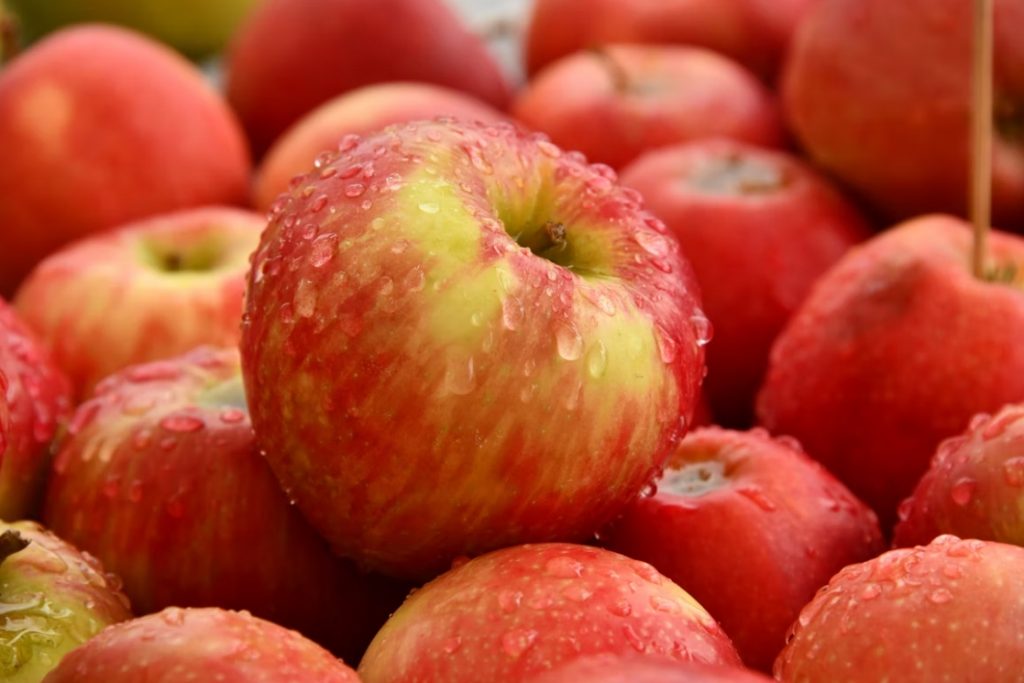
  • Apple
  • Apricot
  • Strawberry
  • Peach
  • Pear
  • Plum

While we’re here, it isn’t just linked to fruits. It can also involve vegetables such as celery, potatoes, tomatoes, and green peppers, along with nuts like almonds, walnuts, and hazelnuts.

Grass pollen

People allergic to grass pollen are likely going to feel the effects in the summer months. So if you’re struggling with hay fever right now, this is who to point the finger at. Fruits you might be allergic to could include:

  • Kiwi
  • Melon
  • Orange
  • Dates

Again, this could also affect vegetables, in which case it could lead to allergic reactions to potatoes, peas, and wheat. You can also add peanuts to the list.

Weed pollen

Weed pollen is likely to affect you in autumn, as that’s when weeds – such as ragweed – release it. When it comes to fruit, weed pollen has been linked with:

  • Banana
  • Melon
  • Watermelon

When it comes to vegetables, it could include cucumbers and carrots. No matter the pollen, not everyone with a seasonal allergy will also have a matching fruit allergy. Some studies have shown that three-quarters of people sensitive to pollen develop pollen food syndrome, and others say that having more than one pollen sensitivity is also linked to developing the condition.

But it isn’t always the case. And even if you do have it, the symptoms might be so mild while eating the fruit that you don’t even realise. So if you want to be safe and make sure, consult your GP or an allergy specialist today.

If you want an allergist to talk to about how your allergies affect you, reach out to us today. We’re always happy to welcome you as a new patient, or you can just give us a call on 02031 433 449.

Copyright 2026. All Rights Reserved

LAIC Main Menu