Latest News and Info

Are our allergies getting worse?

Are our allergies getting worse?

Are our allergies getting worse?

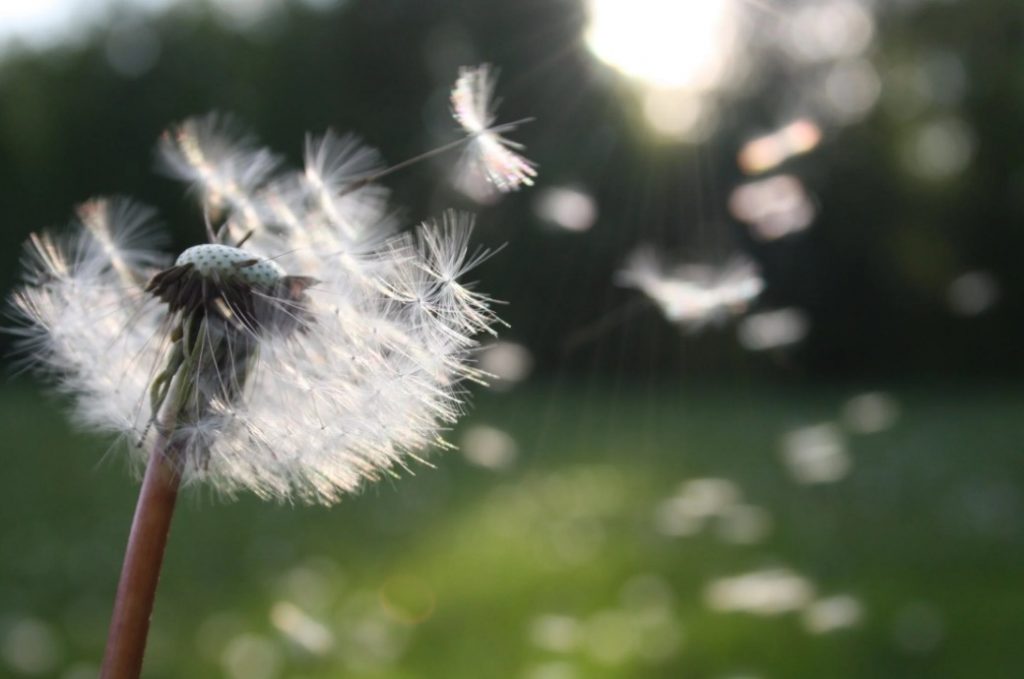
The year may have only just begun, but many of us are already looking forward to spring. It being just around the corner may conjure up pleasant thoughts of warmer weather and flowers blooming. But for some, it brings up unpleasant memories of itchy, watery eyes and runny noses. 

Plenty of hay fever sufferers say that their symptoms get worse every year. But is hay fever actually getting worse or is it just the individual’s reaction that gets worse? 

Eternal summer

In short, the answer can be both. When it comes to the pollen allergy (hay fever) example, our allergies are definitely worsening, but so is the amount of pollen. Warmer temperatures caused by global warming are extending our summers. The periods in which pollen is released are longer than usual, meaning more pollen is around for longer each summer. 

This is bad news for those with hay fever but also bad news for those who don’t. Leonard Bielroy, professor and allergy specialist at Rutgers University Center of Environmental Prediction, believes the more exposure you have to an allergen, the more likely you’ll become sensitised to it. 

We’re constantly changing

Allergies change with age. They might go away over time, or you may develop an allergy that you didn’t have in childhood. Both prolonged exposure to allergens and a weakened immune system are potential reasons why someone may develop an allergy, which could be a concern for the elderly. 

Allergies don’t just affect the elderly though; up to 10% of the UK population have a food allergy. And it doesn’t help that we don’t necessarily fully understand allergies. While we believe prolonged exposure to an allergen may trigger an allergic response, there is also evidence to suggest that avoiding allergens can trigger a response because your immune system is unfamiliar with the substance.

As time passes, our allergies are getting worse and are becoming more and more common in children. Many of the factors that make our allergies worse are unfortunately unavoidable, and with allergies in children being difficult for parents to spot, the safest bet is to get a test. 

If you want a test or would like advice on how to deal with your allergies, get in contact with Allergy Clinic London today on 02031 433 449.

Is it possible that my allergy just disappeared?

Is it possible that my allergy just disappeared?

While we know that allergy symptoms occur when your immune system overreacts to what it considers a foreign substance, a large amount about allergies remains unknown. In a lot of ways, they’re a mystery we have to either live with or we don’t.

Or in some cases, maybe you live with them for a season or two. And then they disappear just as stealthily as they came. But can an allergy actually disappear?

A change in severity

Often, rather than disappearing altogether, what you’re actually experiencing is a change in your allergy’s severity.

Allergies can vary massively from season to season and from allergen to allergen. One summer, your hay fever could have you struggling to leave the house. But the next, you could barely notice so much as a single sniff. Similarly, while one dog could have your eyes puffy and nose running, another could trigger no reaction whatsoever.

There’s no predicting what each season will bring for you and your allergies, but perhaps that’s just the spontaneity you need to spice up your life!

It’s gone altogether

Sometimes, it’s assumed that people simply grow accustomed to a certain allergen. That after enough exposure, their body becomes used to it and stops overreacting to its presence.

This is why with some food allergies, maintaining low-level exposure and increasing this over time can eventually encourage a tolerance. It works in a similar way to a vaccination immunising you to a certain virus or bacteria.

Egg, milk, soy, and wheat are some of the most common allergens to outgrow. And around 20% of children with a peanut allergy will have outgrown it by the time they start school. Although, given the great risk of anaphylaxis in severe allergies, this isn’t a recommended method for getting rid of allergies. And only by visiting a doctor can you confirm that an allergy has in fact been outgrown.

Unfortunately, we can’t tell you for certain whether your allergy is here to stay or just a temporary visitor. But by doing some research and booking yourself in for a test, you can take back control over your allergy, and equip yourself with the insight needed to manage it moving forward.

While the nature of allergies remains largely unknown, your individual triggers don’t have to. To book an allergy test today, give us a call on 02031 433 499.

Not-so-fun in the sun: what is a sunscreen allergy?

sunscreen allergy

Not-so-fun in the sun: what is a sunscreen allergy?

It’s officially summer and with any luck, we’ll get some nice weather. We’ve already been quite blessed so far, but you can’t beat some sun for the perfect summer feeling. Chill in the garden, a cold drink in hand, and enjoy the rays.

It sounds perfect, but not if you have an allergy to sunscreen. The other option – turning a painful shade of red – isn’t ideal either. So how do you know if you have a sunscreen allergy and what can you do if you happen to have one?

What does a sunscreen allergy look like?

It’s important to know you aren’t necessarily allergic to sunscreen itself. It’ll be a specific ingredient in the product you’re reacting to. It’s similar to any other skincare product; there’s always a risk one or two ingredients might give you an allergic reaction. It’s rare, but it can happen. With sunscreen, it could be the chemicals or it might be the fragrance.

If you have a reaction, you’ll notice it on your skin. It might not be too dissimilar to a sunburn. Your skin will turn red, but the difference is it will be itchy and look more like a rash. Other symptoms might include hives, raised bumps, blisters, or even bleeding.

Diagnosing the allergy can be tricky due to how long it might take to see a reaction. For some people, it might happen instantly. For others, it might take a couple of days. And in some cases, it might not happen unless you go out into the sunlight.

How to treat it

If you notice you have a reaction to a certain product, never use it again. That much is obvious. At this point, you should book an appointment to see your doctor so you can get a proper diagnosis.

If you feel you have to use sunscreen in the meantime, find a different product. Look for something with different ingredients to the one that gave you a reaction. When you buy it, test it before applying it to your whole body. Dab a small amount onto a discrete part of your skin, such as your upper thigh or in your elbow. Wait a couple of days to see if you react. If not, then you should be safe to use it on your whole body.

We don’t recommend this self-diagnosis approach as it isn’t guaranteed. A GP can refer you to a dermatologist or allergy specialist if they need to. They will be much better equipped to get to the bottom of your allergic reaction.

Don’t suffer in silence. If you have an undiagnosed allergy, see a specialist about it today. It can transform your life and allow you to live free and breathe easy. Get in touch with our experts on 02031 433 449.

How to cope with your allergies during the lockdown

Lockdown

How to cope with your allergies during the lockdown

The nation has been on lockdown for some time now and the nice weather has made it all the harder to stay indoors. Thankfully, the government has advised we can leave the house once a day for some exercise so you can get some fresh air and sun on your skin.

But for some, it’s a catch-22. Staying indoors for the lockdown can lower their mood, as it has for many, but outside might be just as bad for allergy sufferers. Some 13 million people suffer from hay fever in the UK, making it a miserable time indoors and out. But with these tips, you can go still enjoy the outdoors during the lockdown without driving your allergies too crazy.

Opening your windows

With the sun beating down on us day after day, you might be tempted to open your windows. It lets fresh air circulate through your home and sends in a nice breeze. If you suffer from hay fever, you can still do that, just be aware of what it might do.

Opening your windows gives pollen – or other allergens – a chance to get inside. Once there, it can stick to your clothes and furniture, meaning your allergies can kick in even when the window is closed. So if you do open them, use it sparingly.

The same goes for hanging your washing outside. Naturally dried clothes seem fresher, but they can have pollen on them. So you’ll have to weigh up the options and decide which you’d rather have.

Going outside

If you can’t resist the lure of a nice walk to stretch your legs and see some new scenery during the lockdown, then be careful. Similar to the above, you can bring pollen back inside with you. Consider buying some allergy medication beforehand, checking larger supermarkets who will be more likely to have them in stock now. Though if you have any concerns, check with a doctor before using them.

And if you have pets, the same goes for them. Dogs and cats can also bring pollen back with them, so give them a clean before letting them in the house and try to wash them at least once a week.

Keep on top of your cleaning

You could have your cake and eat it too; do the above and keep an allergen-free house. It just means you’ll have to clean more. Vacuum regularly to lift pollen from the carpets and wash more clothes to keep a healthy supply.

You might be cleaning more anyway, as you’ll be spending more times indoors than usual, thus making more of a mess. So you might be able to take care of two birds with one stone, as they say. And if you’re worried about hand sanitiser, which is still scarce in some places, just know that regular hand soap is more effective for dealing with pollen, making it perfectly fine to use if you haven’t left the house.

It’s a difficult time for many and allergies don’t make it easier. But if we work together, we can make it through this okay. If you have any health concerns about your allergy, always consult with a doctor before taking any drastic measures.

If your allergies are negatively affecting you, feel free to get in touch with us to talk about your worries. You can call us on 02031 433 449 or visit our website here.

A never-ending struggle: allergies through the seasons

Seasonal allergy

A never-ending struggle: allergies through the seasons

Sometimes it can feel as if allergies are a constant source of stress. Most people think of hay fever as the only seasonal allergy. But sometimes one season rolls into another and there’s no relief from the sneezing or itching. Why is this? It’s because different seasons bring different allergens. 

It’s tough to keep up, we know. So here’s a quick breakdown of which allergies are typical of each season.

Autumn

The damp conditions of autumn cause mould spores to thrive, especially if it’s still a little humid outside. Whether it’s in piles of leaves, grass, or compost piles, mould might extend your spring and summer suffering. It also tends to be windier in autumn, meaning any leftover pollen can wreak havoc while mould spores get blown around and are more likely to intrude on your personal space.

Winter

During the cold, frosty weather we get some much-needed relief from pollen and hay fever. But we’re often met with a new nemesis. As you power up your heating, it can kick up a lot of dust. Dust allergy symptoms look a lot like hay fever, often making it a year-round struggle.

You can limit your suffering by keeping your home’s humidity below 55%, using a HEPA filter in your vacuum, and keeping up with cleaning around the house. No one wants to get sneezing, wheezing, and itching for Christmas!  

Some keen varieties of tree pollen may also make an early appearance towards the end of winter.

Spring

April showers bring beautiful flowers. But these beautiful flowers also bring hay fever. This is one of the most common allergies out there; somewhere between 10 and 30% of adults are said to suffer. 

From March onwards, tree and plant pollen will be in full swing. And as the weather starts to get nicer, you’ll probably start spending more time outside, increasing your chance of symptoms. 

Summer 

As tree and plant pollen make their way out, we get treated to grass and weed pollen instead! It’s the time of barbeques and picnics, meaning we like to keep our grass nice and trimmed – do you see where we’re going with this?

We’re outside more meaning we can get irritated by smog in the atmosphere. And also run an increased risk of any insect sting or bite allergies.

The moral of this story is that every season brings with it new reasons to sneeze. While an entire year of runny noses and streaming eyes sounds less than ideal, a bit of caution can easily reduce your suffering. Pay attention to the weather, keep an eye on pollen counts, and try to keep allergens out of your home.

If you want to find out more about seasonal allergies or book an allergy test to identify your triggers, give us a call on 02031 433 499.

The survivor’s guide to hay fever this summer

Hay fever

The survivor’s guide to hay fever this summer

We’ve all been there: it’s a lovely summer’s day and you’re outside enjoying the sunshine with friends. What starts as a single tear becomes streaming eyes and before you know it, you can’t even keep them open. Not to mention the running nose and constant sneezing. Summer barbeque ruined.

Hay fever – or allergic rhinitis if we’re getting technical – affects between ten and thirty per cent of the world’s population. While it’s unrealistic to avoid the triggers altogether, here are some tips to help you survive the summer suffering!  

Tip one: put Vaseline around your nose

This little hack can be a lifesaver. You may be familiar with using Vaseline to soothe a sore nose during a cold, but did you know it also works to help with hay fever? Think of it like a barrier. Apply a generous amount and it’ll trap bits of pollen that make a beeline for your nose.

Tip two: don’t drink too much alcohol

We know it’s unrealistic to expect you to avoid Pimm’s all summer long, but it may be worth lowering how much you drink. You may be familiar with antihistamines, a medicine used to treat hay fever symptoms. Well, most alcohols contain histamines, making it counterproductive. Red wine is especially bad for this, so maybe that can be the first to go.

Tip three: remove traces of pollen wherever possible

After being outside, your clothes and body are likely to have some pollen that sticks around. Make a habit of rinsing off and changing clothes after a day out. This way, you can keep your home a pollen-free haven. Similarly, keep windows and doors shut, especially on windy days.

Tip four: don’t buy fresh flowers

We know, they’re beautiful and can brighten up your living space, but don’t bring the enemy inside. If you were allergic to peanuts, you wouldn’t use peanuts as home decor, so you should avoid buying fresh flowers if you’re a hay fever sufferer.

While it’s not usually a severe allergy and brings inconvenience more than fatal danger, hay fever is an unpleasant experience. These are a few things you can do to make the summer months slightly more bearable. It’s about striking a balance between preventative measures and still enjoying this time of year.

If you want more guidance on allergies, or want to book an allergy test to identify new ones, give us a call on 02031 433 499.

The do’s and don’ts of a pollen allergy

Pollen allergy

The do’s and don’ts of a pollen allergy

Seasonal allergies can be a complete misery for those of us that suffer from them. But fear not! As the pollen count starts to get higher, there are things you can do to keep symptoms at bay, along with things you should definitely avoid doing that make them worse.

What to do

If you want to keep the blocked nose, watery eyes, and scratchy throat at bay, follow these tips:

  • Do try to stay indoors when the pollen count or humidity is high. Windy days are also best avoided as dust and pollen are blown about much more than usual. A great way to keep track of this is by downloading a pollen counter or allergy app for your phone or tablet.
  • Do stick with the medications prescribed by your allergist.
  • Do wear sunglasses when you leave the house to stop pollen from making contact with your eyes and causing nasty itching.
  • Do change your air filter in your air conditioning unit before each new season to remove pollen, dust, and mould stuck in the filter.
  • Do work out in a gym while pollen levels are at their highest. If you must workout outside, the best time is in the afternoon when pollen levels are at their lowest.

What to not do

While we all want to enjoy summer, when you have a pollen allergy there are extra steps you need to take to make the most of the weather:

  • Don’t open the windows of your house and car during peak pollen times. Stick with air conditioning where possible, as it cleans, cools, and dries the air.
  • Don’t go over the recommended dosage to reduce your symptoms even more.
  • Don’t over-water indoor plants. Other than potentially killing them, it also encourages mould growth you may be allergic to.
  • Don’t stress. Well, at least try your best not to. Stress causes your cytokine (the protein we produce as part of the allergic response) levels to rise, which makes your allergy symptoms worse.
  • Don’t let your pets in your room or on your bed. As much as we love our animal friends, they can carry pollen in their fur and make your symptoms worse.

There we have it. A few fantastic tips to help you control your symptoms as best as possible so you can enjoy your summer!

If you need help understanding your allergies, don’t hesitate to book an appointment with The London Allergy and Immunology Centre. Our specialist consultants can help you find the best treatments to make sure your allergies don’t take their toll on your daily life. Give us a call on 02 031 433 449 today.

How to take care of heat rash on holiday

Heat rush

How to take care of heat rash on holiday

In some ways, we in the UK are lucky. While the climate is mild and bland, forcing us to pack our bags in search of sunnier skies, we don’t have to deal with the various, sometimes insect-related, dramas that come with it. One of the most common issues people face in hot climates is heat rash, which many often mistake for an allergic reaction. Here is how to deal with it so you can relax this summer.

What is heat rash?

Heat rash, also known as prickly heat, appears as tiny red bumps and itching on the skin, or sometimes, blisters. It may appear to be an allergic reaction, but it’s actually caused by trapped sweat and constant sweating, particularly in hot, humid climates. The humidity stops sweat from evaporating easily and causes excess moisture on your body for prolonged periods.

Heat rash is common in people who are used to cooler climates and travel to hotter ones as they sweat more than usual. It’s rare that you’ll see locals suffering from the same condition. Beware that some medications can increase your risk of heat rash on holiday, including medications for Parkinson’s disease, tranquillisers, and diuretics.  

How to treat heat rash

If you get heat rash, try not to scratch it. If you do, and it becomes infected, you might need further medical help beyond the at-home and over-the-counter solutions.

Heat rash often goes away on its own, but if it’s persistent, there are over-the-counter solutions which work for many people. These include:

  • Calamine lotion
  • Topical steroid creams to treat redness, irritation, and swelling
  • Camphor and menthol to cool the skin and reduce itching

If you haven’t got your hands on medication just yet, know that washing with mild soap after sweating can reduce the amount of moisture on the skin and ease symptoms. It’s also a good idea to do your best to stay cool and avoid excessive sweating. Take cold showers and dry off quickly.

There are a range of conditions that can cause allergy-like symptoms, but some can’t be explained so easily. If you think you may have an allergy, book an appointment with one of our consultants today to get tested. It’s the best way to ease your mind and get the right treatment.

As summer approaches, we ask: are allergies getting worse?

Are allergies getting worse

As summer approaches, we ask: are allergies getting worse?

It’s getting hotter and we all know what that means – allergy season is upon us. As you try your best to keep your irritating symptoms at bay, you may have noticed that things seem to get worse every year.

You’re not imagining this. Allergies really are getting worse thanks to emerging global trends and patterns. Armed with a better understanding of your worsening symptoms, you can put this information to good use.

Air pollution

For city dwellers, air pollution and higher levels of ozone aggravate allergies. Symptoms can get even worse if you live near a busy highway. Urbanisation is increasing rapidly and with 68% of us projected to live in urban areas by 2050, allergy sufferers will feel the effects.

Climate change

As humans continue to pump greenhouse gases into the atmosphere, global temperatures are steadily rising. For allergy sufferers, this is bad news. Plants use higher levels of carbon dioxide in the air and become ‘super pollinators’. These changes in temperature and atmosphere cause pollen seasons to become longer and even more potent.

Stress

When you add stress into the mix of air pollution and climate change, allergies get even worse. When your body has been in a stressed state for a while, it causes inflammation and makes the body extra sensitive to allergens. Stress also produces similar symptoms to allergies, from headaches to faster breathing, causing extra discomfort.

Stress management can do wonders for your symptoms. There are lots of ways you can de-stress, for example, regular exercise, a healthy balanced diet, meditation, and making lifestyle changes to give your body time to rest and recover.

Unfortunately, it may feel like some of these reasons are largely out of your control. But help and advice are out there to equip you with the best possible tools and prevention strategies for your allergies so you can minimise daily disruption as much as possible.

If you need help understanding your allergies, don’t hesitate to book an appointment with The London Allergy and Immunology Centre. Our specialist consultants can help you find the best treatments to make sure your allergies don’t take their toll on your daily life. Give us a call on 02 031 433 449 today.

Self-tan sensitivity: could you have a fake tan allergy?

Fake tan allergy

Self-tan sensitivity: could you have a fake tan allergy?

With summer rapidly approaching, most of us Brits who don’t see much of the sun in our own gardens are dreaming of a bronzed tan. A quick and easy way to get that golden glow is through lathering on a bottle of self-tan, but for those with sensitive skin, this may not always be the best option.

What are the symptoms?

A sign that you may be having a reaction to self-tan is your skin feeling extremely irritated or itchy after application. This can occur instantly or a few hours after you apply it when your skin has adjusted. You may also notice that your skin is drier than usual, resulting in you itching more.

Contact dermatitis and eczema are two things you need to consider when choosing your fake tan. These two skin conditions, in particular, will have a big impact on not only how your fake tan applies, but also how it makes your skin look and feel physically.

What’s causing my reaction?

There are various reasons why your skin may react to different products. It can depend on your skin type, the chemicals in the product, or even just the condition of your skin on that given day. However, it’s always important to consider what our skin is coming into contact with and the effects that this may have on its health both short and long-term.

Although it’s a fairly low statistic, about two in every 100,000 people are allergic to DHA. But we can’t rule it out as one of the contributing factors to your skin reaction as, unfortunately, it’s in most fake tan products you’ll come into contact with in the shops.

How to avoid a reaction

Look how high on the ingredients list different chemicals are. The higher up it is on the list the more of it the product contains. DHA is usually second on the list (after water), so if you’re trying to avoid this, look for more natural products that come before it or instead of it.

It’s also extremely important to conduct a patch test before applying self-tan to the rest of your body to ensure that you don’t have a serious allergy or reaction. Apply a small amount to your skin and leave it overnight to see how your skin reacts to it.

If your skin is still reacting to the product, you should seek professional medical help. Going to an allergy specialist will help you narrow down what’s causing you to react and make sure it doesn’t happen again.

We’re here to help you with all of your allergy questions and concerns. If you think you may have an allergy to fake tan or anything else, you can find out more by calling us on +44 (0)2 031 433 449.

Copyright 2026. All Rights Reserved

LAIC Main Menu